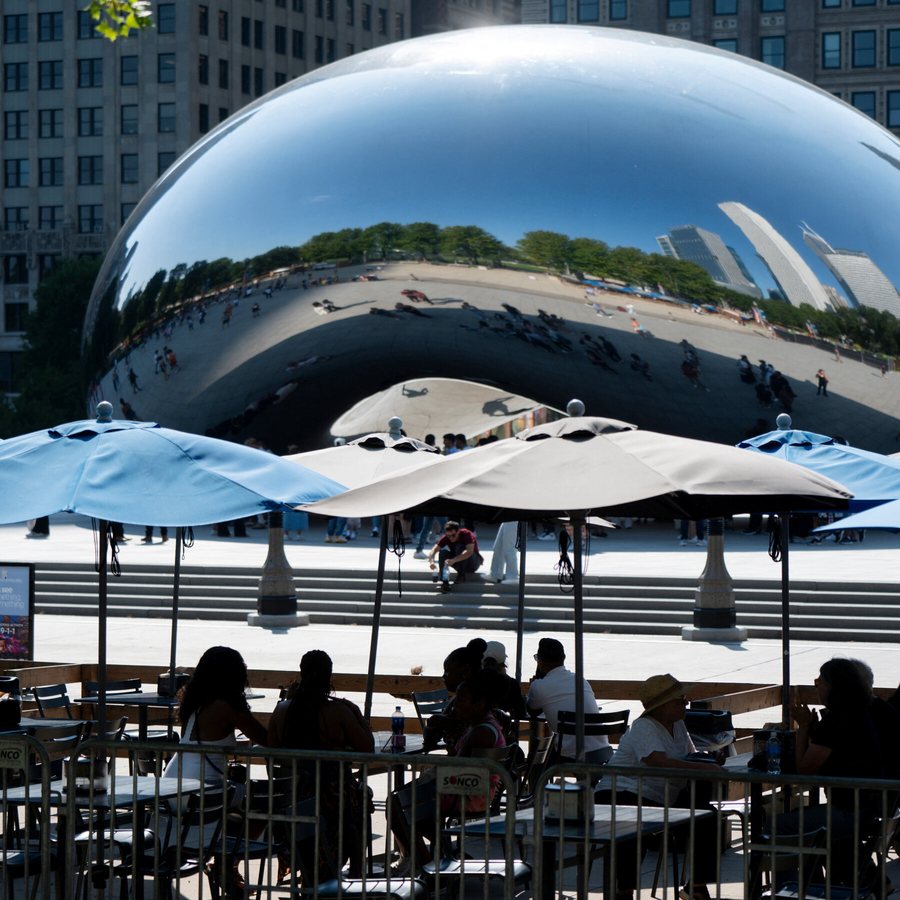
Chicago has been ranked the most resilient city in the United States, according to a new assessment of climate adaptation efforts. The ranking highlights how the city, despite its temperate latitude and low hurricane risk, has invested heavily in preparing for the impacts of a changing climate.
The assessment placed Chicago at the top of the list, recognizing the city's comprehensive approach to climate resilience. This includes infrastructure improvements, community engagement programs, and policy measures designed to mitigate the effects of extreme weather events and long-term environmental changes.
Chicago's temperate location has historically shielded it from the most severe hurricane threats that affect coastal cities. However, city officials have not treated this geographic advantage as a reason for complacency. Instead, they have pursued an aggressive adaptation strategy that addresses a range of climate-related risks, including extreme heat, heavy rainfall, and flooding.
The city's investment in green infrastructure, such as permeable pavements and expanded urban tree canopies, has been a key component of its resilience strategy. These measures help manage stormwater runoff and reduce the urban heat island effect, which can make cities significantly warmer than surrounding rural areas during heatwaves.
Chicago has also modernized its building codes to require more climate-resilient construction standards. New developments must incorporate features that can withstand extreme weather, while retrofitting programs help older buildings become more energy-efficient and better prepared for temperature extremes.
The ranking comes at a time when cities across the United States are grappling with how to respond to climate challenges. While coastal cities face rising sea levels and stronger storms, inland urban centers like Chicago contend with their own set of climate pressures, including more frequent and intense heatwaves and changing precipitation patterns.
Urban planners and climate researchers have increasingly emphasized that resilience is not solely about geographic location. A city's preparedness depends on its governance, infrastructure investment, and ability to coordinate responses across multiple agencies and community organizations.
Chicago's approach has included the creation of dedicated climate action offices and the integration of resilience planning into broader urban development strategies. The city has also worked to ensure that adaptation efforts reach vulnerable communities, which are often disproportionately affected by climate impacts.
The recognition of Chicago as the most resilient city reflects a broader shift in how urban centers approach climate change. Rather than viewing adaptation as a reactive measure, many cities are now treating it as a core component of long-term planning and development.
Climate experts note that resilience rankings can serve as useful benchmarks for cities seeking to improve their preparedness. They also highlight the importance of continuous investment, as climate risks evolve and new challenges emerge over time.
For Chicago, the ranking validates years of work by city agencies, community groups, and environmental organizations. It also sets a standard that other cities may look to as they develop their own climate adaptation strategies in the years ahead.
852