The long-standing climatic connection between the Indian and Pacific oceans is breaking down, and scientists say human-caused global warming is driving the shift. Ancient climate records indicate that volcanic eruptions disrupted the same relationship in the past, but the current breakdown appears to be unfolding in a far more unusual way.
The two oceans have been climatically linked for centuries, exchanging heat and influencing weather patterns across vast regions. That connection has now begun to weaken, according to researchers who study the historical climate record. The finding raises questions about how the breakdown could affect rainfall, temperatures, and marine conditions in the decades ahead.
Past disruptions to the Indian-Pacific link were tied to volcanic activity, which temporarily altered atmospheric and oceanic conditions. Those events left detectable traces in ancient climate archives, allowing scientists to reconstruct how the relationship behaved over time. The current change, however, is not being driven by volcanoes but by the sustained warming of the planet caused by human activity.
Researchers describe the present shift as exceptional because it is occurring under conditions that differ from earlier natural disruptions. The historical record shows that the oceans can respond sharply to external shocks, but the modern warming trend is more persistent and widespread than a single volcanic eruption. That persistence may make the current breakdown harder to reverse.
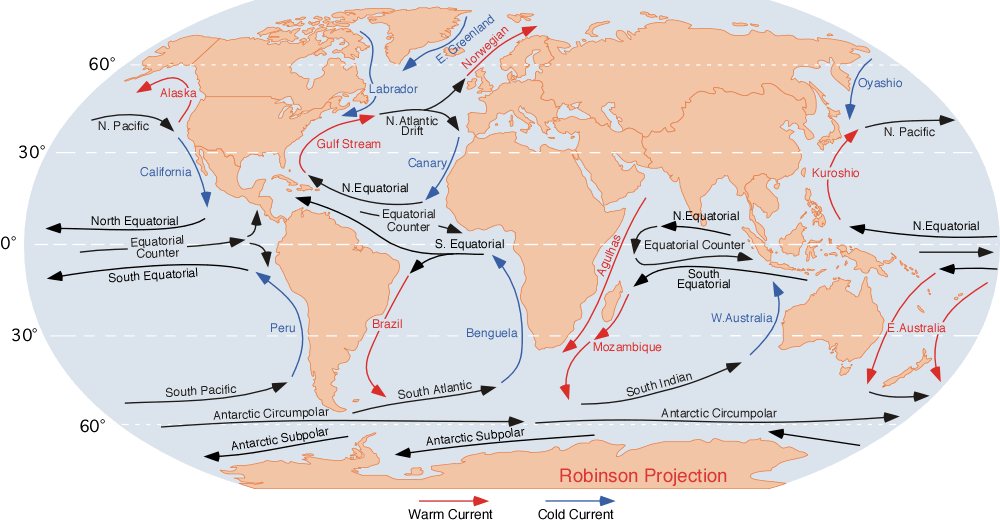
The Indian and Pacific oceans play a central role in global climate, influencing monsoon systems, ocean currents, and temperature patterns far beyond their own basins. A weakening link between them could ripple through weather and ecosystems in surrounding regions, though the full consequences remain an active area of study.
Scientists are turning to ancient climate records to understand how the relationship has changed over centuries. These records provide a baseline against which the current shift can be measured, helping researchers distinguish natural variability from the effects of human-caused warming. The comparison suggests that what is happening now falls outside the range of past volcanic disruptions.
The finding adds to a growing body of evidence that global warming is altering large-scale climate systems, not just raising average temperatures. Ocean connections that once seemed stable over centuries can change when the planet heats, with effects that may take years or decades to fully emerge.
Researchers say the breakdown underscores the importance of continued monitoring of the Indian and Pacific oceans. Better observations could help scientists track how the connection evolves and what it means for weather, marine life, and the communities that depend on both oceans.