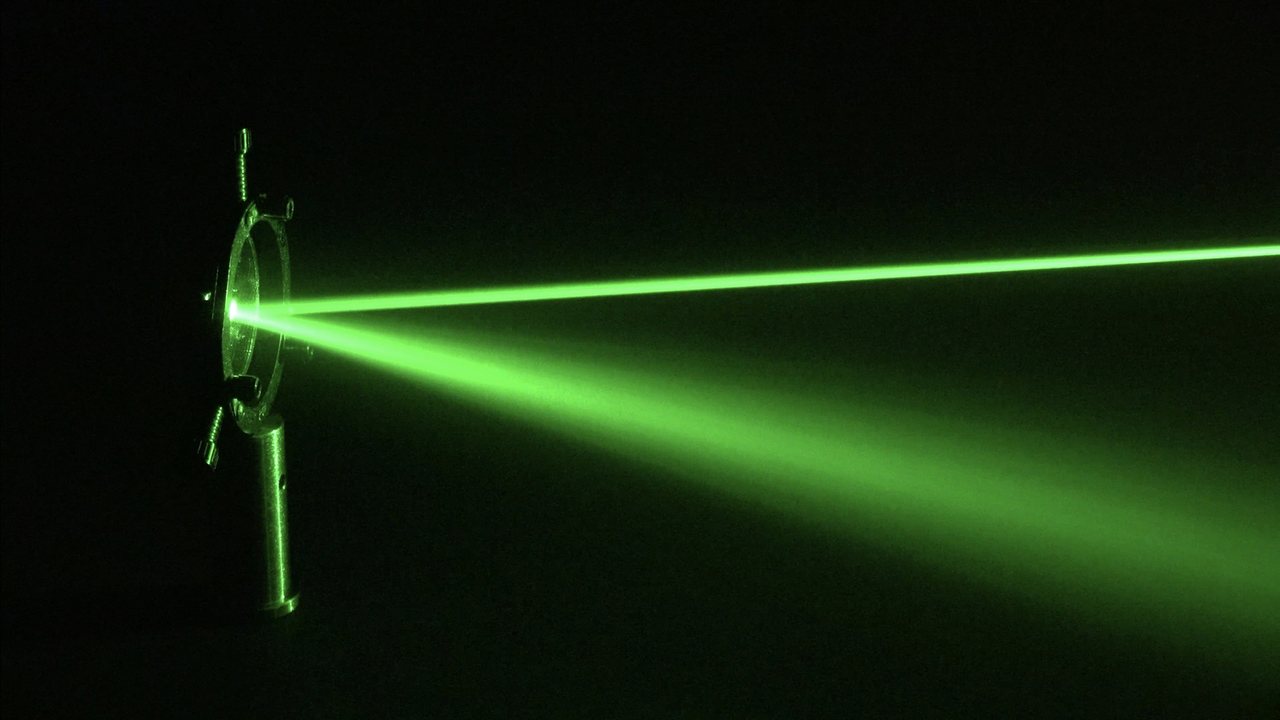
A team of engineers has developed a wireless charging system that uses high-powered lasers to recharge drones mid-flight, offering a potential solution to one of the most persistent limitations of unmanned aerial vehicles: short battery life. The technology eliminates the need for drones to land or return to a base station for recharging, allowing them to remain airborne for extended periods.
The system works by directing a focused laser beam at a photovoltaic receiver mounted on the drone. The receiver converts the laser light into electrical energy, which then charges the drone's batteries or powers its motors directly. This approach is similar in principle to wireless power transmission but adapted for the dynamic conditions of flight, where the drone must maintain alignment with the laser source.
To achieve efficient charging, the system includes automatic tracking and beam-steering mechanisms. Sensors on the drone and the ground-based laser unit communicate in real time to keep the beam precisely aimed, even as the drone maneuvers. This tracking capability is critical for maintaining a consistent power supply and avoiding energy losses or safety hazards.
The potential applications of this technology are broad. For industries such as surveillance, agriculture, delivery services, and disaster response, the ability to keep drones aloft continuously could dramatically improve operational efficiency. Drones used in search-and-rescue missions could remain on station for hours or days, and agricultural drones could monitor crops without interruption.
Safety is a key consideration in the development of laser-based power transmission. The high-powered lasers used in the system must be operated with safeguards to prevent harm to people, animals, or other aircraft. Researchers have incorporated automatic shutoff features and beam-intensity controls to address these concerns, although widespread deployment would likely require regulatory approval and additional safety protocols.
The demonstration represents a significant step forward in drone technology and wireless energy transfer. While previous efforts have explored solar charging or tethered power supplies, the laser-based system offers a unique combination of mobility and continuous power. Further refinements are expected to improve efficiency and reduce the size and weight of the onboard receiver components.
As drone usage continues to expand across commercial and public sectors, the demand for longer endurance solutions grows. Wireless mid-flight charging could become a transformative capability, shifting the paradigm from battery-swapping or landing to recharge toward truly persistent flight operations.