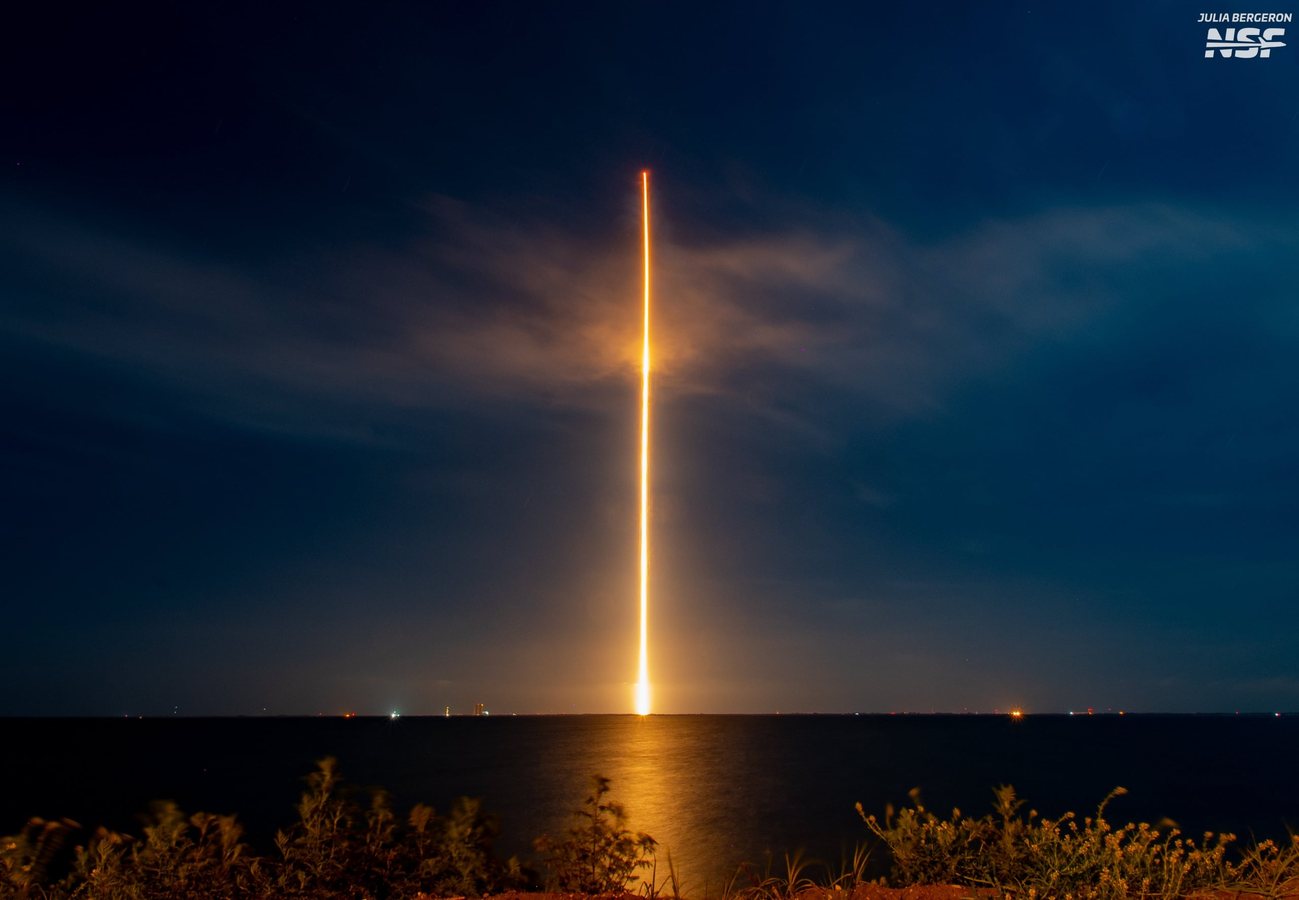
China is preparing to launch its most complex lunar mission to date this weekend, sending a multi-spacecraft fleet to the moon's south pole in a search for water ice and other resources that could support future exploration. The Chang'e 7 mission is scheduled to lift off late Sunday aboard a Long March rocket, according to space industry reports.
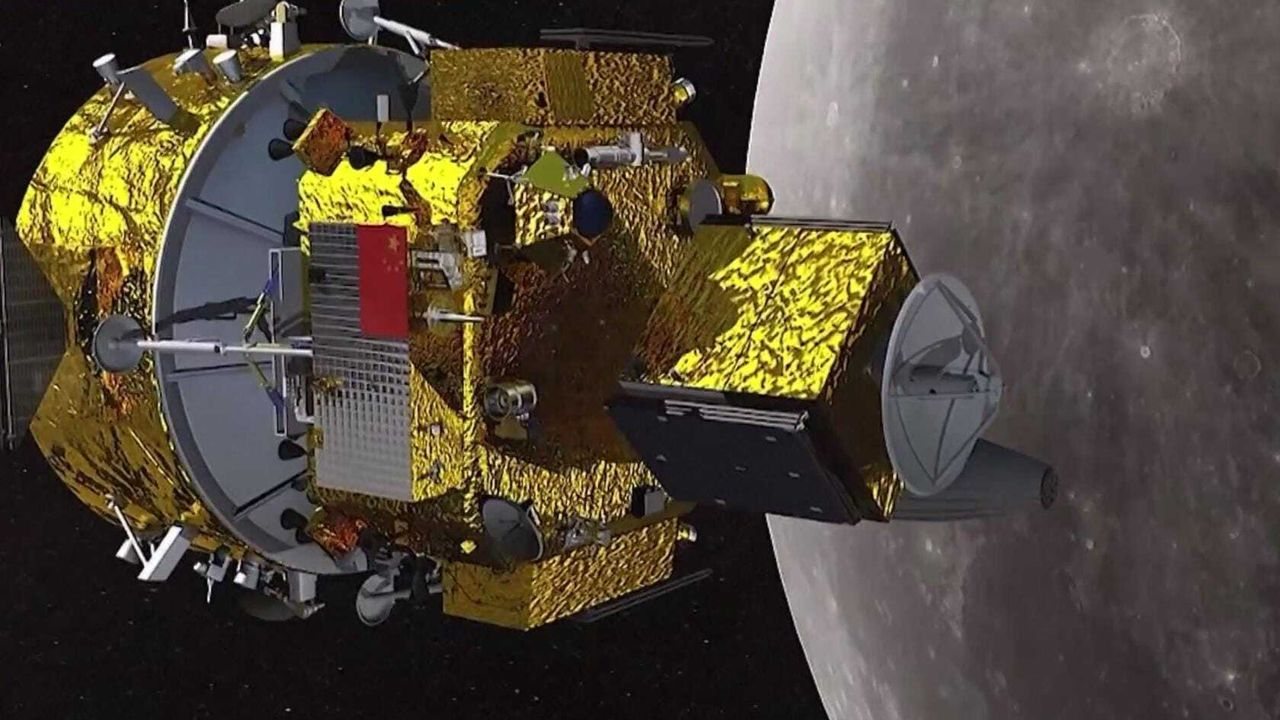
The mission represents a significant step in China's expanding lunar program, which has already achieved robotic landings, sample returns, and the deployment of rovers. Chang'e 7, however, is designed to go further, combining an orbiter, a lander, a rover, and a flying probe that will investigate permanently shadowed craters where water ice is believed to exist.
The lunar south pole has become a focal point for international space agencies because its shadowed regions may hold frozen water, a resource that could be converted into drinking water, oxygen, and rocket fuel for future missions. China's probe will attempt to land near the pole and deploy instruments to analyze the surface and subsurface for signs of ice, according to mission details shared by space officials.
The mission is also a testbed for technologies needed for longer-duration lunar operations, including precise landing systems, communication relays, and equipment designed to operate in extreme cold and darkness. The flying probe, a novel element of the mission, is intended to hop into shadowed craters that rovers cannot reach, providing close-up observations of areas that have never been directly examined.
Chang'e 7 is part of China's broader lunar strategy, which includes the Chang'e 8 mission planned for later this decade and the eventual construction of an International Lunar Research Station near the south pole. The station, a joint project with Russia and other partners, is envisioned as a permanent robotic and possibly crewed outpost that would rely on locally harvested resources.
The launch comes as multiple nations and private companies race to explore the moon's polar regions. NASA's Artemis program is targeting the same area for crewed landings, and India and Japan have recently sent their own robotic missions to the lunar surface. The concentration of activity reflects a growing consensus among scientists that the south pole holds the key to sustainable lunar exploration.
Water ice in the region is not only a scientific prize but also an economic one. If accessible, it could dramatically reduce the cost of lunar operations by enabling crews to produce their own supplies rather than shipping everything from Earth. The presence of ice could also support the production of hydrogen and oxygen for rocket propellant, turning the moon into a staging point for deeper space travel.
China has not released a precise launch time, but space tracking data and official statements indicate the window opens late Sunday Beijing time. The mission will take several days to reach lunar orbit before attempting its landing sequence, which involves autonomous navigation and hazard avoidance in terrain that has never been visited by a Chinese spacecraft.
The success of Chang'e 7 would mark another milestone in China's rapid ascent in space exploration, following the Chang'e 4 far-side landing, the Chang'e 5 sample return, and the recent completion of the Tiangong space station. Each mission has expanded the country's technical capabilities and its presence in the increasingly competitive field of lunar science.
59