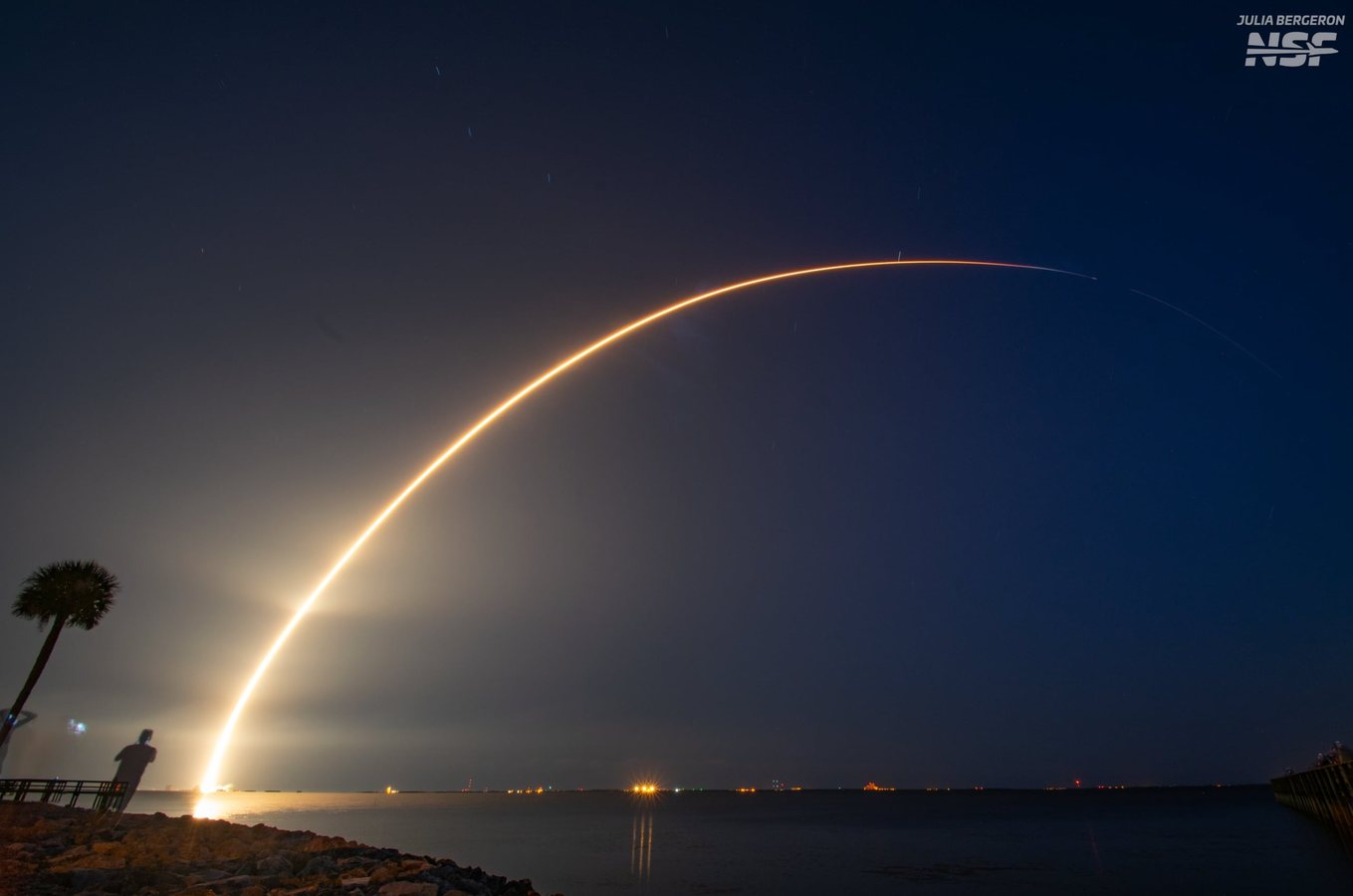
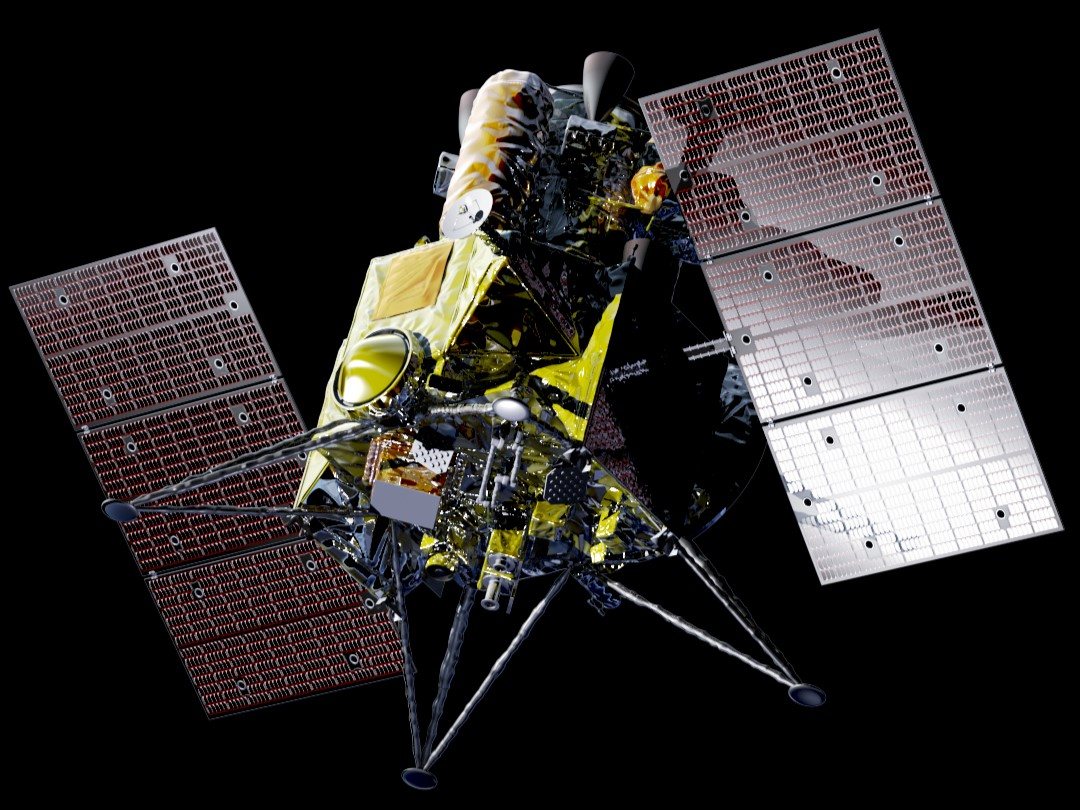
A commercial LINK spacecraft performed a close approach to NASA's Swift Observatory, but the distance was not close enough to rescue the aging space telescope. The maneuver, conducted by an undisclosed company, brought the spacecraft within a few kilometers of Swift, yet fell short of the threshold needed for a servicing or retrieval operation.
Swift, launched in 2004, has been a workhorse for gamma-ray burst astronomy. The observatory was designed for a two-year mission but has far exceeded its expected lifetime. In recent years, its orbit has decayed, and NASA has faced budget constraints that make a dedicated rescue mission unlikely. The LINK spacecraft's approach was part of a broader effort to demonstrate proximity operations and test technologies that could one day be used to extend the life of satellites or remove space debris.
According to mission planners, the LINK spacecraft was not equipped with the robotic arms or docking mechanisms required to physically capture Swift. Instead, the flyby served as a rehearsal for future servicing missions. The spacecraft's sensors and navigation systems were tested in the vicinity of a non-cooperative target, a scenario common in debris removal. The data collected will inform the design of next-generation servicing vehicles.
NASA has not announced any plans to rescue Swift. The agency's priorities have shifted toward newer observatories such as the James Webb Space Telescope and the Nancy Grace Roman Space Telescope. However, the private sector's growing interest in on-orbit servicing could offer a lifeline to older satellites. Companies like Astroscale and Northrop Grumman are developing technologies to extend satellite lifespans, but these efforts are still in early stages.
The LINK mission, while not a rescue, underscores the increasing congestion in low Earth orbit. With thousands of defunct satellites and debris fragments posing collision risks, the ability to approach and inspect or remove them is becoming critical. The Swift Observatory, in its higher orbit, is not currently a major debris threat, but its eventual demise could contribute to the growing problem.
For now, Swift continues to operate, though its capabilities are diminished. The telescope's instruments have been gradually turned off to conserve power, and its orbit continues to decay. Without intervention, Swift will eventually re-enter Earth's atmosphere and burn up. The LINK spacecraft's close approach may be the last visit it ever receives.
The mission's outcome highlights the gap between ambition and capability in space servicing. While the technology exists to approach a satellite, the ability to actually save it requires more advanced robotics and a significant financial investment. As more satellites age and fail, the demand for such services will only grow. Whether the private sector can meet that demand remains an open question.
111