A technical problem with its rocket has forced Virgin Orbit to postpone the first orbital launch attempt from British soil, delaying a mission long anticipated by the United Kingdom's emerging space industry.
The flight, part of the mission named «Start Me Up» after the Rolling Stones song, was to take place from Spaceport Cornwall at Newquay Airport in southwest England. Rather than rising from a traditional ground pad, the rocket would have been carried aloft under the wing of a modified Boeing 747 jumbo jet called Cosmic Girl, released over the Atlantic Ocean, and ignited in midair for its climb to orbit.
The launch would have been the first time an orbital rocket was launched from UK territory. Britain has built satellites, instruments and launch technologies for decades, but it has never sent a rocket into orbit from its own soil. The last British-built orbital launch vehicle, the Black Arrow rocket, flew from Woomera, Australia, in 1971, more than half a century ago.
The launch team detected the rocket issue while preparing for the planned attempt and halted the countdown. Engineers began reviewing the problem, and the rocket was not cleared to fly until the technical matter could be resolved. The next attempt was expected to depend on the outcome of those checks and on weather conditions over the spaceport.
The mission was designed to deliver a cluster of small satellites into low Earth orbit for a mix of customers, including the UK Ministry of Defence, projects supported by the UK Space Agency, and commercial operators. The payload was meant to demonstrate the growing market for small-satellite launch services and to show that Britain could offer government and commercial clients a reliable route to space from European soil.
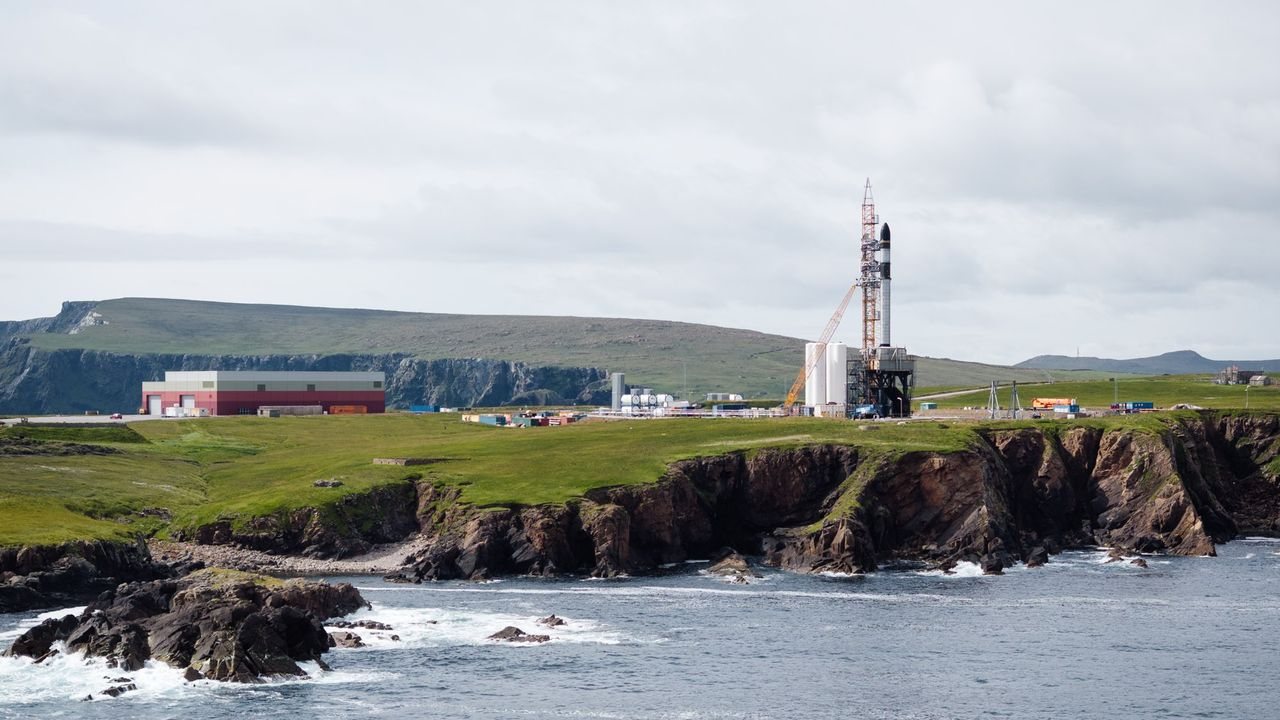
Spaceport Cornwall, developed with government support, became the first licensed spaceport in the UK when it was approved by the Civil Aviation Authority in 2022. The site operates on a horizontal-launch model, in which aircraft carry rockets to high altitude before release. That approach gives operators flexibility in choosing flight paths and requires less ground infrastructure than a traditional vertical launch site.
For Virgin Orbit, the UK attempt represented a major step beyond its home base. The California-based company had already flown five LauncherOne missions from the Mojave Desert, four of which reached orbit, including the first successful flight of a liquid-fueled, air-launched rocket in January 2021. The Cornwall mission would have been the company's first international launch and its first from a licensed UK spaceport.
The delay underscored the technical challenges that remain routine in the launch industry, where tight schedules are often disrupted in the final hours. For supporters of the effort, the campaign itself marked progress: the infrastructure, licenses and expertise being built around the UK launch effort were expected to attract investment and create skilled jobs in the years ahead.
Despite the postponement, Virgin Orbit and UK space agencies remained committed to completing the first orbital launch from British soil. The mission, long a symbolic ambition of Britain's space community, was expected to proceed once engineers were satisfied that the rocket was ready to fly.