French astronaut Thomas Pesquet is set to command a private mission to the International Space Station, an operation coordinated by Vast, a young American startup that will be making its first foray into ISS missions. The announcement marks a significant step for both Pesquet and the company, which has rapidly established itself in the commercial space sector.
Vast, based in the United States, was founded with the goal of developing artificial gravity space stations and enabling long-duration human spaceflight. While the company is relatively new, it has already secured contracts and partnerships that position it as a rising player in the commercial space station market. This mission to the ISS will be Vast's first crewed operation to the orbiting laboratory, a milestone that could pave the way for its own future station modules.
Thomas Pesquet, a veteran of the European Space Agency, has flown to the ISS twice before, serving as a flight engineer on Expeditions 50/51 and 65/66. His experience and leadership make him a natural choice to command a private mission, which will involve a crew of commercial astronauts. The mission is expected to conduct scientific research and technology demonstrations, though specific details about the crew and launch date have not been fully disclosed.
The private mission to the ISS is part of a broader trend of commercializing low Earth orbit. NASA has encouraged private companies to take over operations in low Earth orbit as it focuses on returning humans to the Moon and eventually Mars. Vast's involvement signals that the commercial space station era is moving closer, with companies like Vast, Axiom Space, and Blue Origin developing their own orbital outposts.
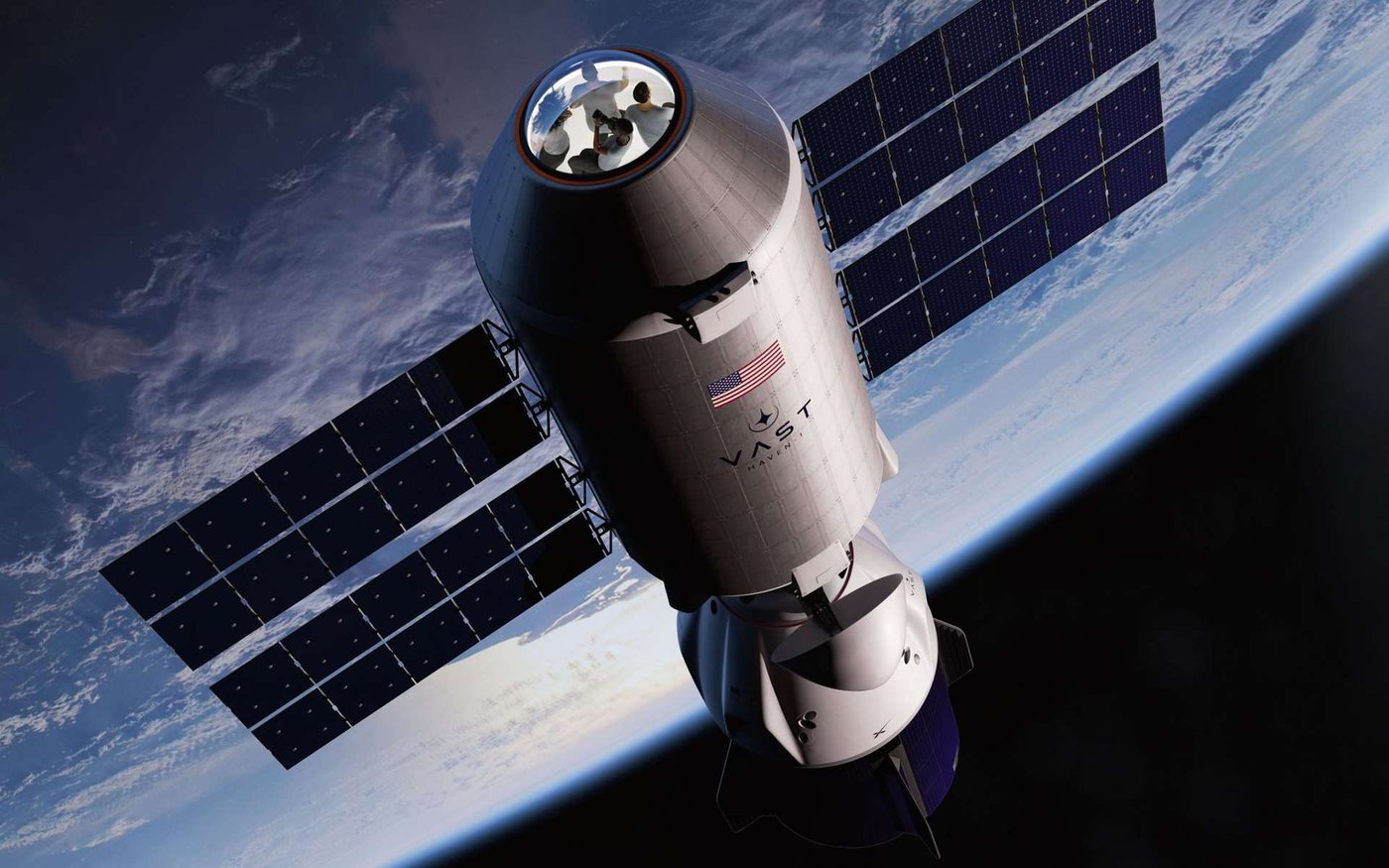
Vast's long-term plans include launching a series of space station modules, beginning with a single-module station called Haven-1, which is scheduled to launch on a SpaceX Falcon 9 rocket. The company has also announced plans for larger stations with artificial gravity, aiming to support longer missions and reduce the health risks associated with microgravity. The upcoming ISS mission will provide valuable experience for Vast as it works toward these ambitious goals.
For Pesquet, commanding a private mission represents a new chapter in his career. He has been an outspoken advocate for space exploration and international cooperation. His participation lends credibility to Vast's efforts and highlights the growing role of private companies in human spaceflight. The mission will also strengthen ties between the US and European space sectors, even as Europe considers its own commercial space station plans.
While the exact timeline for the mission remains unclear, the partnership between Pesquet and Vast underscores the accelerating pace of commercial space activities. As more private missions take shape, the ISS will continue to serve as a testbed for new technologies and business models. Vast's first ISS mission could be a stepping stone toward a future where private stations routinely host astronauts from around the world.