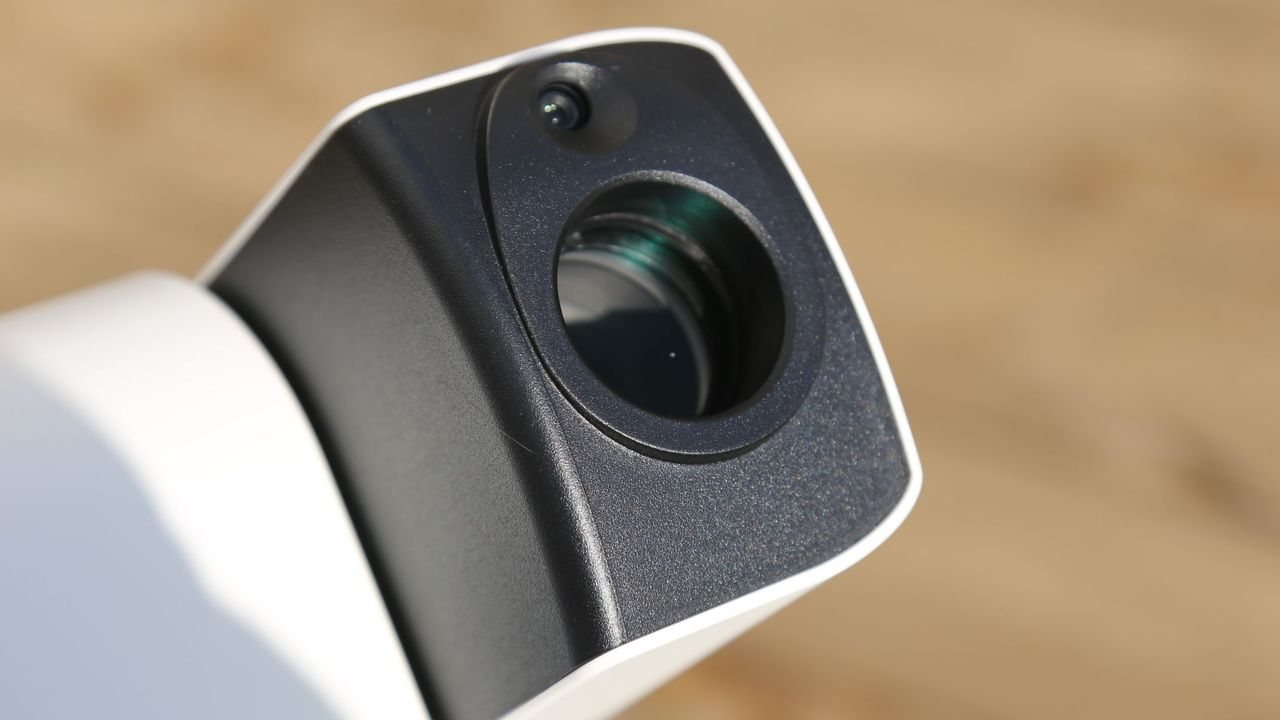
The ZWO Seestar S30 Pro smart telescope has garnered attention in the amateur astronomy community for its ability to simplify astrophotography without sacrificing image quality. Designed as an upgrade to the earlier Seestar S30 model, the Pro version introduces several refinements that enhance both convenience and performance for users interested in capturing deep-sky objects.
At the heart of the Seestar S30 Pro is an integrated camera that can capture images of nebulae, galaxies, and star clusters with minimal manual intervention. The telescope features automated alignment, tracking, and focus, allowing users to set up the system quickly and begin observing or photographing the night sky within minutes. Its companion smartphone app provides intuitive control over framing, exposure settings, and real-time image stacking, a feature that traditionally required separate software and considerable expertise.
Compared to its predecessor, the Seestar S30 Pro boasts improved optics that deliver sharper resolution and better light-gathering capability. The telescope’s compact form factor — weighing just a few pounds and fitting into a small carrying case — makes it highly portable for field use. Battery life has also been extended, enabling longer observing sessions without the need for an external power source. These upgrades address common pain points reported by early adopters of the original model.
The device is aimed at a broad audience, from backyard hobbyists and families introducing children to astronomy to educators who want a classroom‑friendly tool for live sky demonstrations. The Seestar S30 Pro fits into a growing category of «smart telescopes» that leverage integrated electronics and machine learning to remove the technical barriers that once made astrophotography a challenging pursuit. Other products in this segment, such as the Unistellar eVscope and the Vaonis Stellina, have demonstrated strong market demand, and ZWO’s entry further validates the trend.
Pricing for the Seestar S30 Pro is positioned competitively within the smart‑telescope market, typically retailing under $2,000. Availability has expanded through major online astronomy retailers and ZWO’s own store, with stock levels meeting initial demand. Early user feedback, summarized in the review, praises the telescope’s reliability and the clarity of its captured images, noting that even faint objects like the Orion Nebula and Andromeda Galaxy appear with impressive detail after only a few minutes of integration time.
The significance of the Seestar S30 Pro extends beyond its technical specifications. By lowering the learning curve, it encourages more people to engage with observational astronomy and contributes to the growth of citizen science projects that rely on amateur‑captured data. The telescope’s built‑in GPS and Wi‑Fi enable seamless sky‑object identification, making it easier for users to participate in coordinated observing campaigns or simply explore the cosmos for personal enjoyment.
Astronomy enthusiasts already familiar with ZWO’s well‑regarded cameras and filter wheels will recognize the company’s engineering DNA in the Seestar S30 Pro. The integration of a cooled CMOS sensor, similar to those used in dedicated astrophotography cameras, ensures low noise and high sensitivity in long‑exposure shots. Combined with the telescope’s motorized alt‑azimuth mount, the system can track celestial objects accurately for several minutes, a capability that was once limited to significantly more expensive setups.
In summary, the ZWO Seestar S30 Pro represents a notable step forward in making deep‑sky imaging accessible to a wider audience. Its combination of portability, ease of use, and solid optical performance has earned it positive remarks in recent reviews, positioning it as a strong contender in the smart telescope market. For anyone looking to capture the wonders of the night sky without investing heavily in complex equipment, the Seestar S30 Pro offers a compelling all‑in‑one solution.