Ancient human relatives who lived in what is now northern Spain nearly a million years ago practiced cannibalism, consuming both adults and children, according to analysis of fossils from a cave in the Sierra de Atapuerca. The remains, dated to approximately 850,000 years ago, represent one of the earliest undisputed cases of cannibalism in the human evolutionary line.
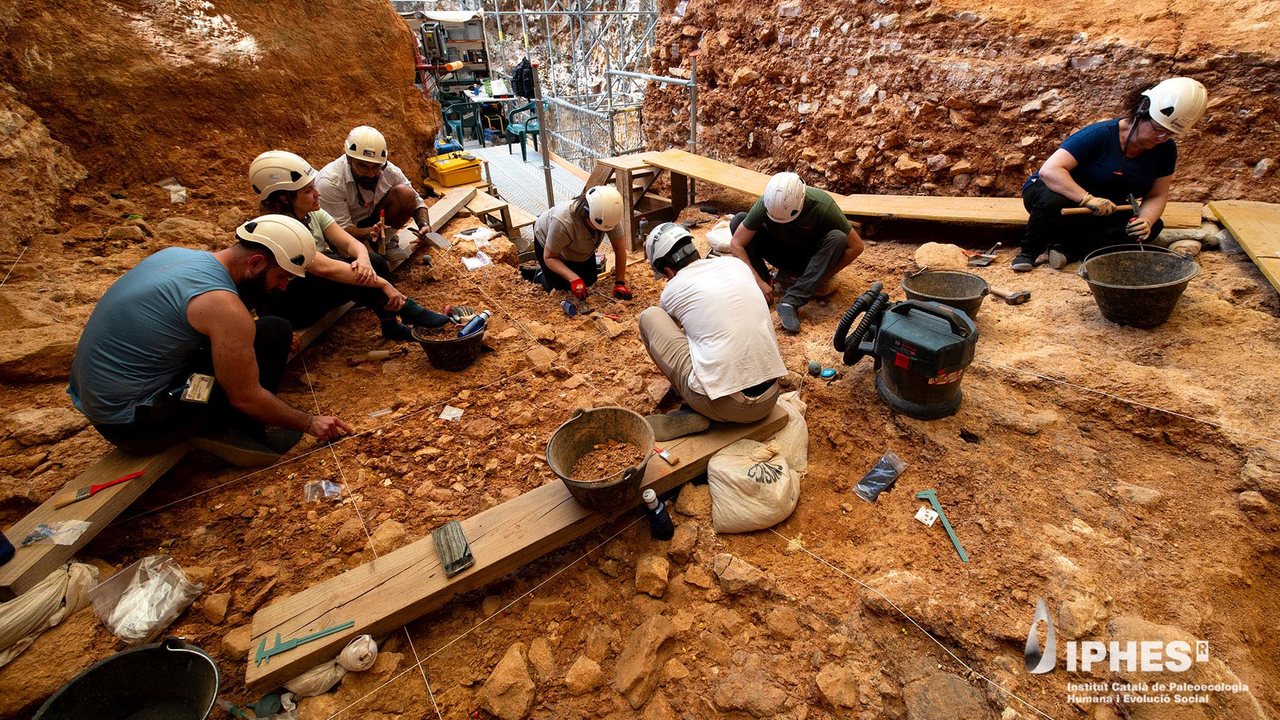
The bones were recovered from the Gran Dolina cave site, a rich archaeological deposit that has yielded numerous fossils of Homo antecessor, a species considered by many researchers to be a common ancestor of Neanderthals and modern humans. Examination of the specimens reveals clear cut marks, percussion scars, and other modifications consistent with butchering for meat consumption. These marks are concentrated on bones where muscle attaches, and the pattern of breakage suggests the marrow was also extracted.
Intriguingly, the evidence includes both adult and juvenile individuals, indicating that the cannibalistic behavior was not limited to a specific age group. Archaeologists have long debated whether this activity was driven by nutritional necessity — perhaps during periods of food scarcity — or whether it had ritual or social significance. The absence of decorative or ceremonial treatment of the bones, combined with the butchery patterns, strongly supports the interpretation that the victims were processed as food resources rather than for symbolic purposes.
Gran Dolina is part of the Atapuerca mountain range in Burgos, a UNESCO World Heritage site famous for its exceptional preservation of early human fossils. The current find adds to a growing body of evidence that cannibalism was a recurring practice among early hominins. Similar butchery marks have been found on Neanderthal remains at other European sites, but the age of the Gran Dolina specimens makes them among the oldest examples of such behavior in the genus Homo.
The discovery has important implications for understanding the social and survival strategies of these ancient populations. Cannibalism, while shocking to modern sensibilities, appears to have been a pragmatic response to environmental pressures in some prehistoric groups. The fact that the victims included children suggests that the group may have targeted vulnerable individuals or that intra-group conflict occasionally led to deadly outcomes. Ongoing research at the site continues to refine the timeline and context of early human settlement in Europe.
Researchers emphasize that the findings do not necessarily indicate a widespread or routine practice, but rather a behavior that occurred under specific conditions. The fossils also provide valuable data on the diet and ecology of Homo antecessor, shedding light on how these early humans adapted to the challenges of Ice Age Europe. With further excavations planned, Gran Dolina is expected to yield even more clues about the lives — and deaths — of our ancient relatives.