Even the God of Stories can get things wrong. That is the premise of «Pompeii: Out of Time», a new National Geographic series now streaming on Disney+ and Hulu, in which actor Tom Hiddleston sets the record straight on what really happened the day Mount Vesuvius erupted in 79 AD.
The series uses Hiddleston, known to global audiences as Loki in the Marvel cinematic universe, as a guide through the latest archaeological and scientific evidence about one of history's most famous natural disasters. The show pairs dramatic storytelling with expert analysis to challenge long-held assumptions about Pompeii and its inhabitants, who were buried under meters of volcanic ash and pumice when Vesuvius exploded.
Among the misconceptions the series addresses is the popular image of Pompeii's victims as passive figures caught entirely by surprise. Modern research, including studies of skeletal remains and casts made from voids left by decomposed bodies, suggests many residents had time to react, gather belongings, and attempt escape. The eruption itself unfolded in multiple phases over roughly two days, beginning with a towering column of ash and rock, followed by deadly pyroclastic surges that swept through the city at high speed and temperature.
The series also examines the daily life of Pompeii before the disaster, drawing on ongoing excavations that continue to reveal frescoes, shops, homes, and even fast-food counters known as thermopolia. These findings have reshaped understanding of Roman urban life, showing a bustling commercial center with a sophisticated water system, vibrant public baths, and a population of perhaps 10,000 to 20,000 people.
Hiddleston's involvement brings a pop-culture hook to the archaeological content, a strategy National Geographic has used before with celebrity narrators and presenters. The actor has expressed personal interest in classical history, and the series uses his narration to make the science accessible to a broad audience while maintaining scholarly rigor.
The timing of the release coincides with renewed public fascination with Pompeii, driven by recent discoveries at the site. Excavations in the past few years have uncovered a ceremonial chariot, a banquet hall with black walls adorned by mythological frescoes, and a room believed to have housed enslaved people, offering rare insight into the lives of those at the lower rungs of Roman society.
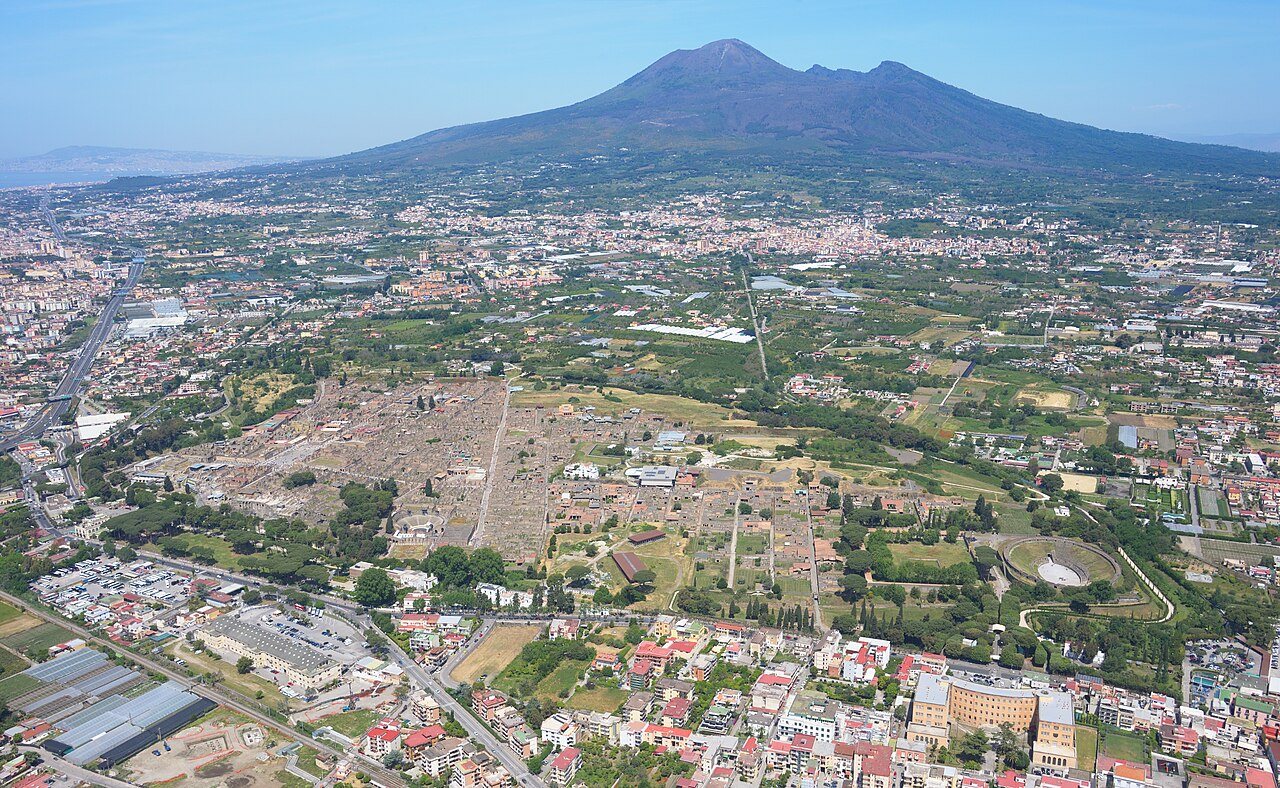
Scientists continue to study the eruption's effects, using modern volcanology to model the event's intensity and reach. The disaster remains a benchmark for understanding the dangers of Vesuvius, which is still an active volcano looming over the modern city of Naples and its millions of residents. Emergency plans for the region are informed in part by the archaeological record of 79 AD, making the study of Pompeii not just a historical exercise but a matter of contemporary public safety.
«Pompeii: Out of Time» joins a growing slate of documentary programming that blends entertainment and education, aiming to reach viewers who might not otherwise engage with archaeological research. By enlisting a familiar face like Hiddleston, the series hopes to draw attention to the ongoing work of archaeologists and volcanologists who continue to piece together the story of a city frozen in time.
139