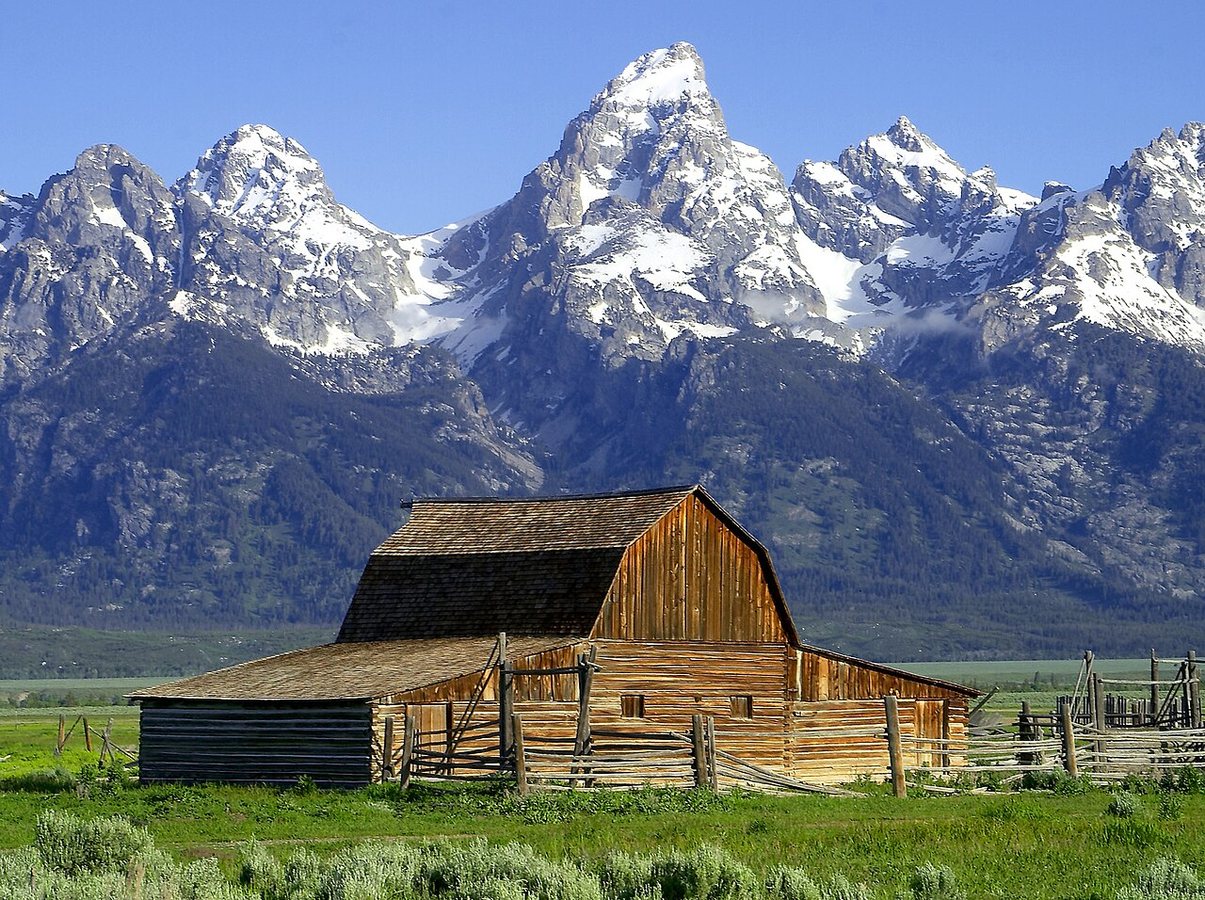
Wildlife officials and filmmakers are drawing attention to the hidden dangers of «bear jams» — the traffic tie-ups that form when drivers stop to watch bears along park roads. The phenomenon, common in Grand Teton National Park, is the focus of the new documentary «Grizzly 399: Queen of the Tetons,» which premiered on May 8, 2024. The film follows the life of the park's most famous grizzly bear, highlighting both her remarkable story and the challenges she faces in a landscape increasingly shaped by human activity.
Bear jams occur when motorists spot a bear near the roadside and stop, often abruptly, to take photos or observe the animal. While the spectacle can be thrilling, it creates a hazardous situation for both people and bears. Vehicles line the road, blocking traffic and forcing bears to navigate a corridor of metal and noise. Park rangers warn that habituated bears may lose their natural wariness of humans, leading to dangerous encounters. In the worst cases, bears that become too comfortable around people are relocated or euthanized to protect public safety.
The documentary, produced by PBS Nature, uses footage of Grizzly 399 and her cubs to illustrate these risks. Grizzly 399, estimated to be over 28 years old, is one of the oldest known reproducing grizzlies in the Greater Yellowstone Ecosystem. She has raised multiple litters of cubs, often near roads and developed areas, making her a frequent subject of bear jams. The film shows how her celebrity status draws large crowds, and how each gathering of onlookers can stress the animals and increase the likelihood of conflict.
Park officials emphasize that bear jams are not just an inconvenience — they are a serious wildlife management issue. When bears are repeatedly exposed to human presence, they may alter their feeding and movement patterns, which can affect their survival and reproduction. Additionally, the sudden stopping of vehicles can lead to rear-end collisions and other accidents, endangering drivers and passengers. Rangers urge visitors to stay in their cars, keep a safe distance, and use pullouts rather than stopping in the middle of the road.
The film also highlights the broader context of grizzly bear conservation in the region. Grizzly bears in the Greater Yellowstone Ecosystem have made a remarkable recovery since being listed as threatened under the Endangered Species Act in 1975. However, they still face threats from habitat fragmentation, human-wildlife conflict, and climate change. The story of Grizzly 399 serves as a reminder of the delicate balance between preserving natural habitats and accommodating the millions of visitors who flock to national parks each year.
For those who cannot visit Grand Teton, the documentary offers an intimate look at the life of a wild grizzly and the efforts to protect her and her offspring. It also serves as an educational tool, encouraging responsible wildlife viewing. As the film's release coincides with the busy summer season, park officials hope it will inspire visitors to respect wildlife and follow guidelines that keep both animals and people safe.
The «bear jam» phenomenon is not unique to Grand Teton; it occurs in other parks like Yellowstone and Glacier, where bears are commonly seen near roads. Wildlife biologists study these interactions to better understand how to mitigate their effects. Some parks have implemented temporary road closures or traffic control measures during peak bear activity, but the ultimate solution lies in public awareness and cooperation.
«Grizzly 399: Queen of the Tetons» is part of the long-running PBS Nature series, which has documented wildlife and natural history for decades. The film is available for streaming on PBS platforms, and viewers are encouraged to learn more about bear safety and conservation efforts in national parks.
162