Record heatwaves help deliver bumper UK berry harvest
British berry growers report a 6% rise in this year's harvest compared to 2025's already large crop, thanks to investment in climate-resilient irrigation despite heatwaves and water shortages.

Discipline
News, research analysis and evidence-based explanation. 20 stories in this section.
British berry growers report a 6% rise in this year's harvest compared to 2025's already large crop, thanks to investment in climate-resilient irrigation despite heatwaves and water shortages.

After a stretch of unusually pleasant weather, coastal Southern California is facing stickier air and a surge in mosquitoes, a shift that meteorologists say fits broader trends toward more humid …
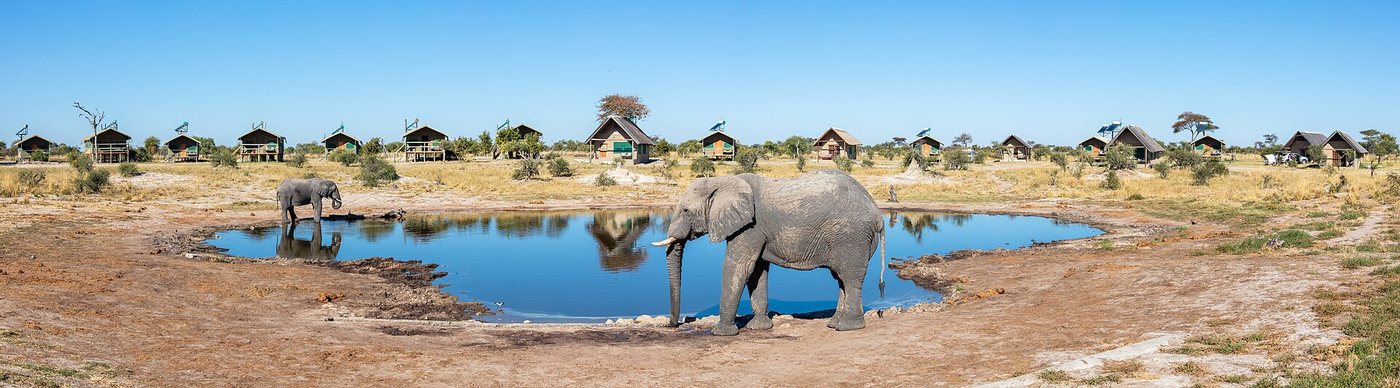
Elmo, Abby, and Nina embark on an African safari in a new Sesame Street special, visiting a Kenyan elephant sanctuary after adopting an orphaned elephant online. The program premieres October …
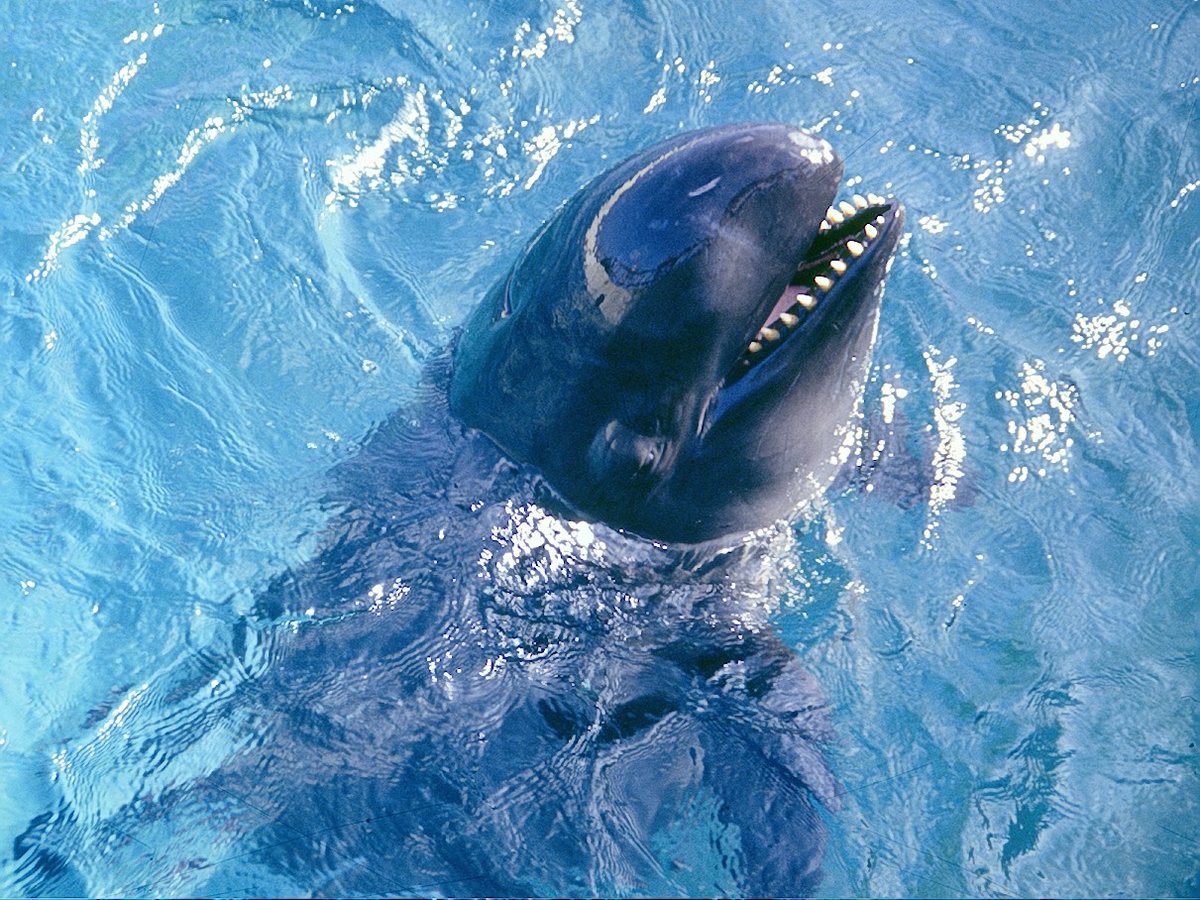
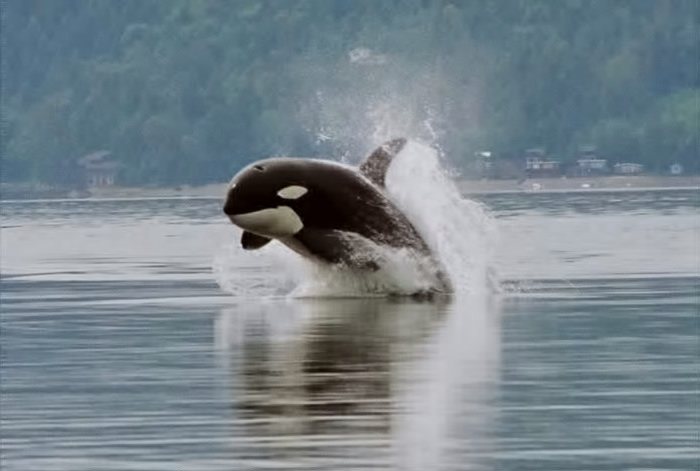
New BBC Earth footage highlights six remarkable orca behaviors, showing how these highly social predators coordinate attacks, outsmart prey, and demonstrate intelligence that continues to fascinate marine biologists.
A summer of lethal temperatures and wildfires across Europe has exposed a widening gap between voters demanding climate action and political leaders reluctant to confront the long-term choices global heating …
Even low levels of traffic noise can wipe out the psychological benefits people gain from listening to birdsong, according to new research.
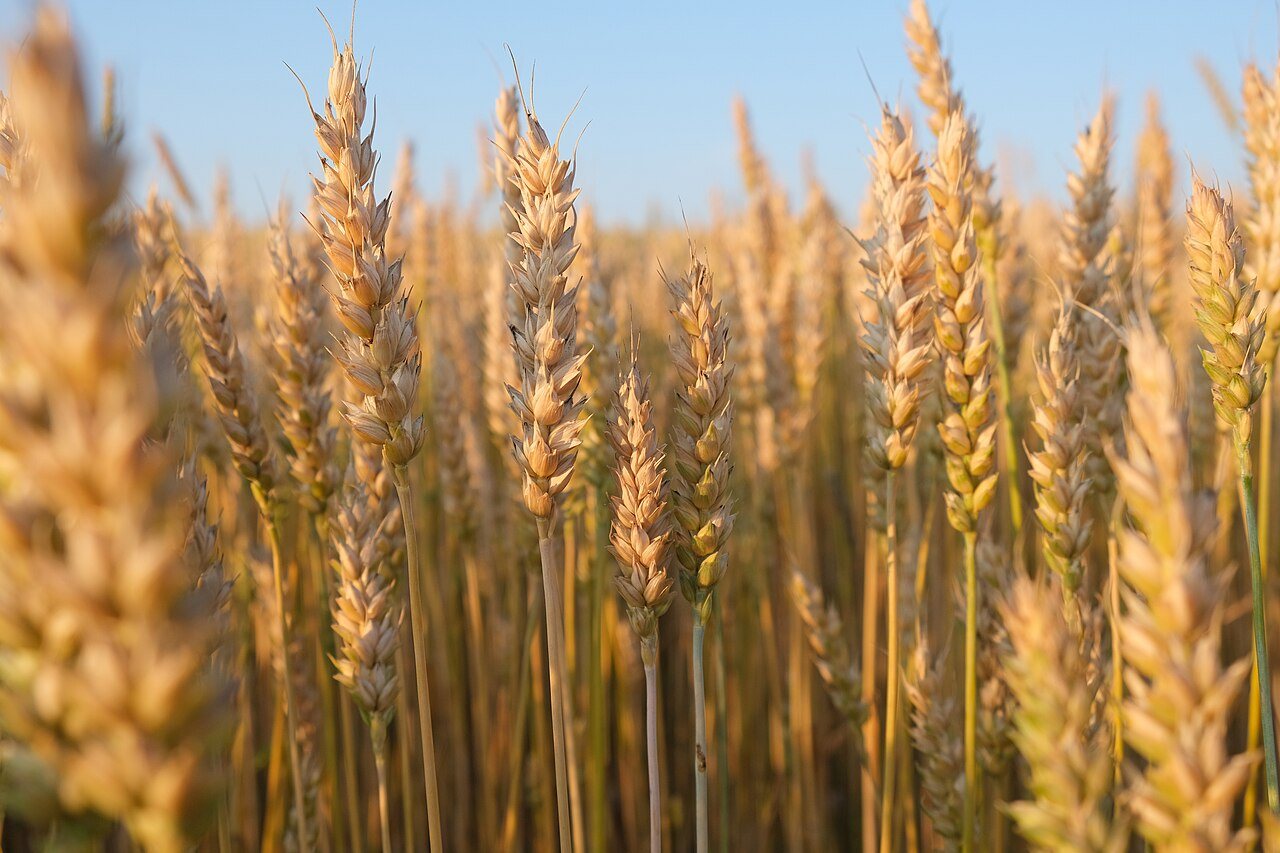
Henry Astor revived heritage wheat varieties on his Cotswolds farm to boost biodiversity, seeing a rise in birds, insects, and wildflowers.
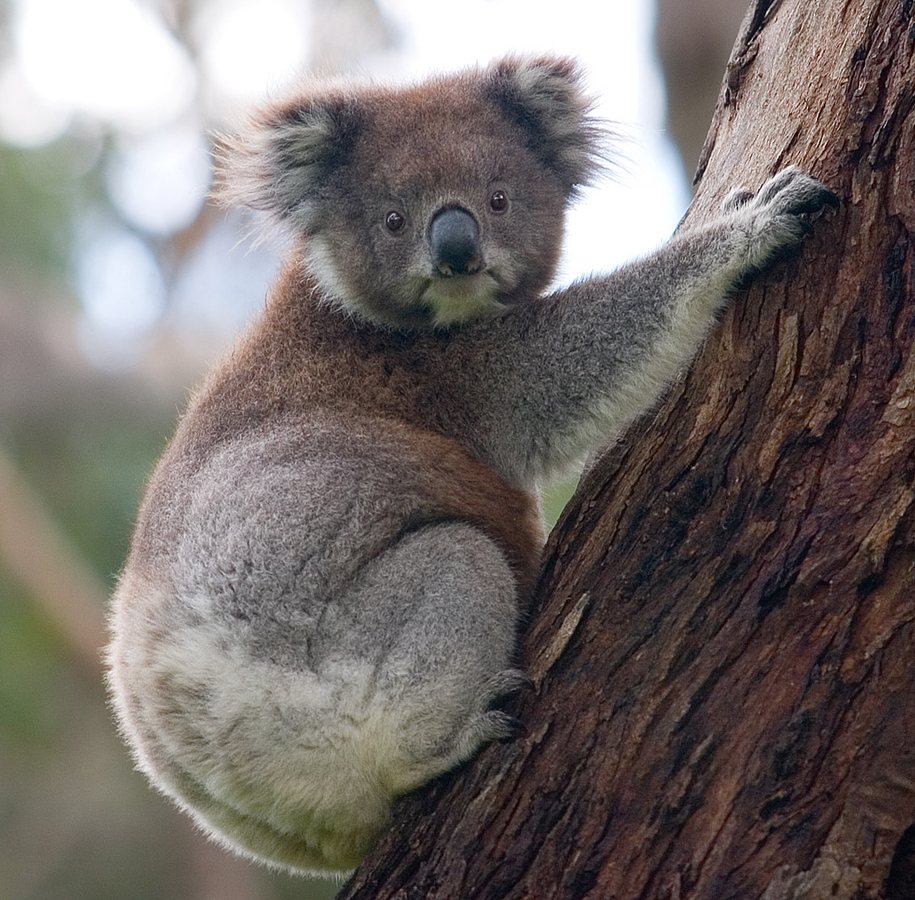
The Australian government has approved a plan to create a large koala national park in New South Wales that will protect threatened species and cap logging, but the inclusion of …
BBC Earth has launched a continuous 24/7 livestream offering viewers around the world a window into nature and wildlife in stunning 4K resolution, from deep oceans to dramatic landscapes.
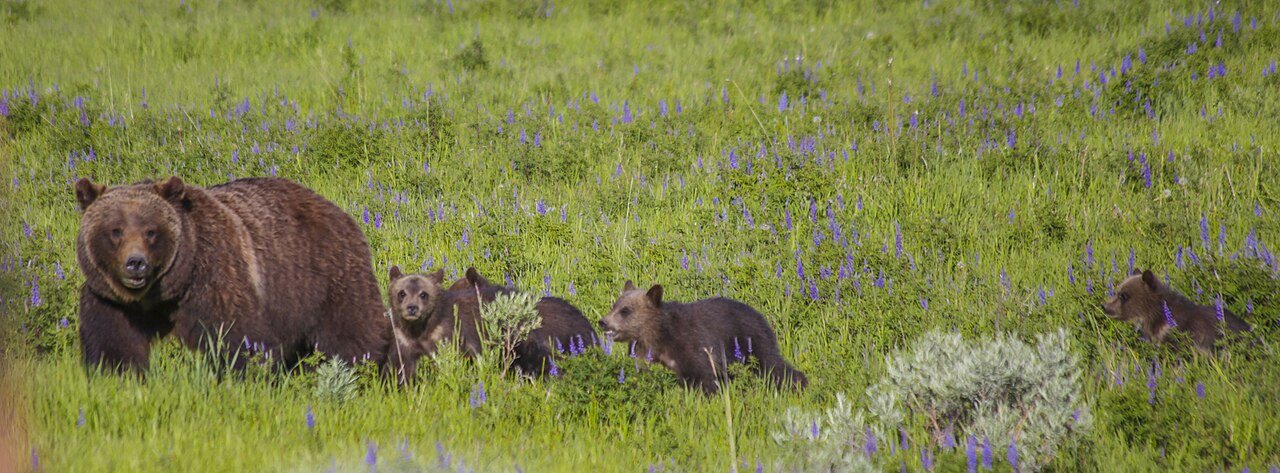
A new documentary on Grizzly 399 highlights the dangers of «bear jams,» where crowds of tourists stop to watch bears, disrupting wildlife behavior and creating safety hazards in Grand Teton …
A community-led initiative in Cornwall is testing simple measures to reduce pollution runoff and prevent algal blooms in the River Fal, which threatens some of England's most biodiverse marine habitats.
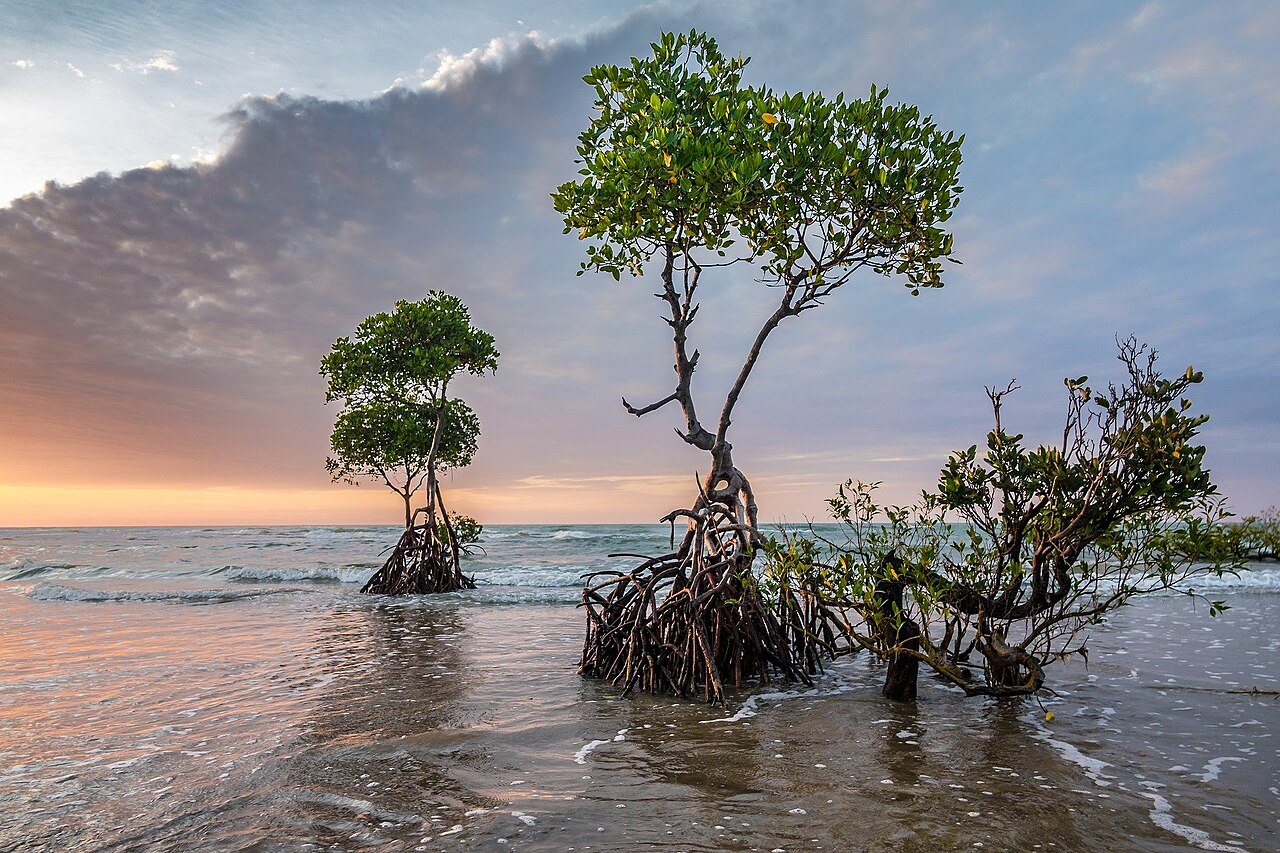
Climate impacts across the Eastern Himalayas have become structural rather than episodic, driving a systemic response that links mangrove restoration, agricultural diversification, and forest protection under the Mountains to Mangroves …
Grizzly 399, the iconic Yellowstone-area bear whose decades-long life made her a symbol of wildlife conservation, died in October 2024. A PBS Nature documentary honoring her legacy premiered in May …
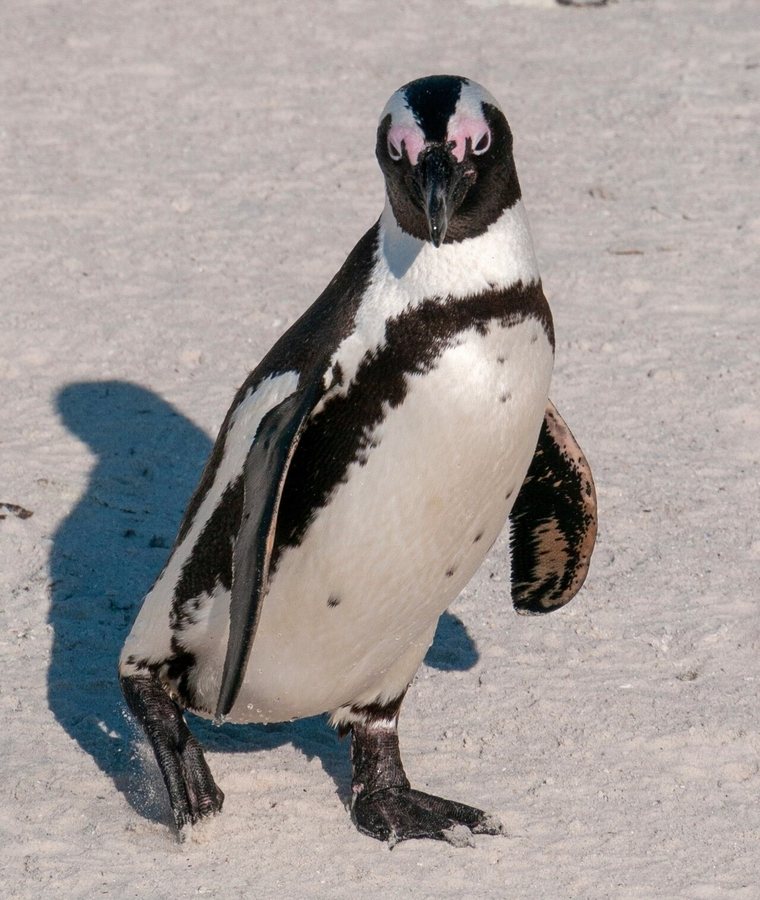
More than 1,000 little penguins on Australia’s Phillip Island have received a first dose of bird flu vaccine in what is believed to be the largest such program for wild …
Two wild beaver kits have been born in Norfolk, England, marking the first recorded birth of the species in the county in more than five centuries. The newborns are the …
More than 270 marine scientists urge Australia’s environment minister to strengthen protections for coastal marine ecosystems, saying the current marine park system focuses on remote areas while leaving fragile nearshore …
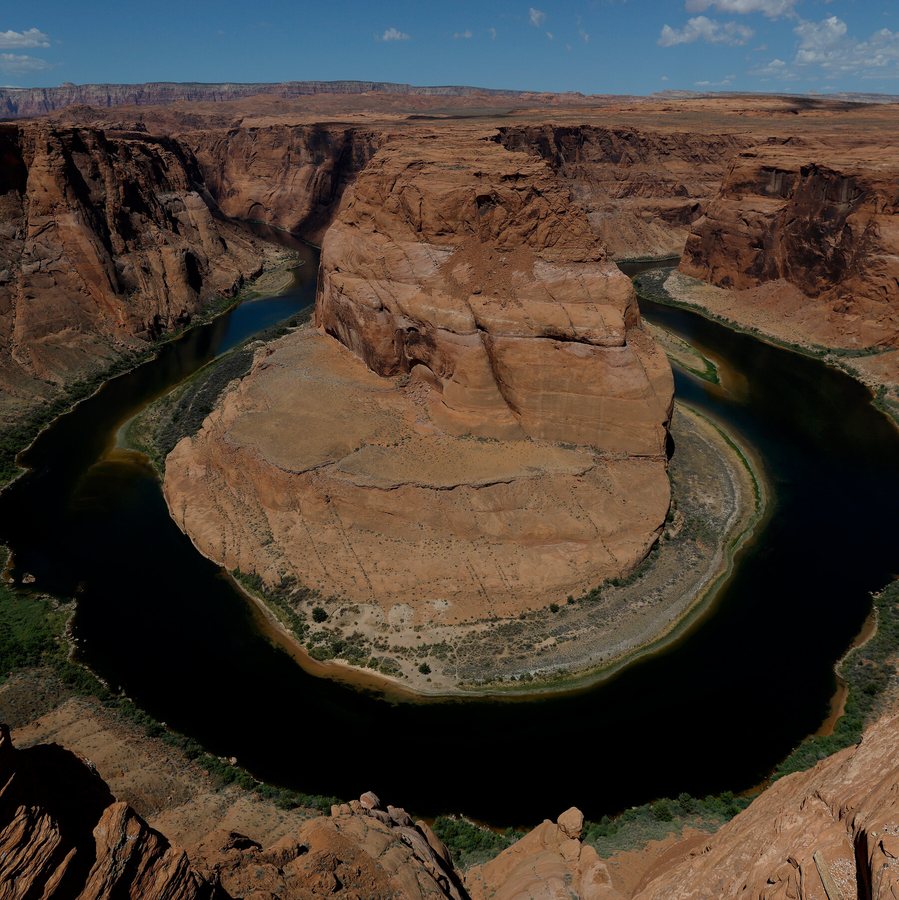
The U.S. Bureau of Reclamation has released a 10-year plan that mandates water cuts of up to 40% for Arizona, California, and Nevada as the Colorado River crisis deepens.
A new episode of the National Geographic documentary series «Hurricane Katrina: Race Against Time» follows rescue efforts as thousands of New Orleans residents were trapped by floodwaters or sought shelter …
National Geographic released a mega episode of America's National Parks featuring Grand Canyon, Saguaro, Zion, Yellowstone, and Yosemite, highlighting their unique wildlife and geological features during National Parks Week.
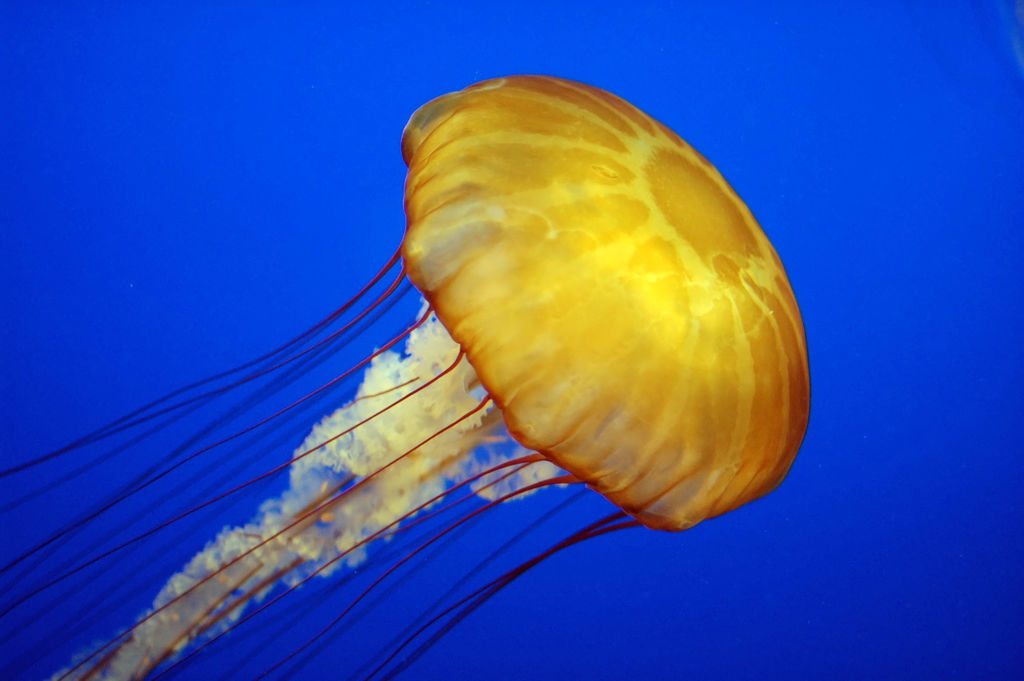
Unusually high jellyfish numbers are crowding Delaware beaches this summer, with patrols reporting hundreds of stings daily. Warmer waters, drought, and favorable currents are driving the influx, prompting some beachgoers …