James Webb Telescope Detects Unexpected Changes in Chariklo's Rings
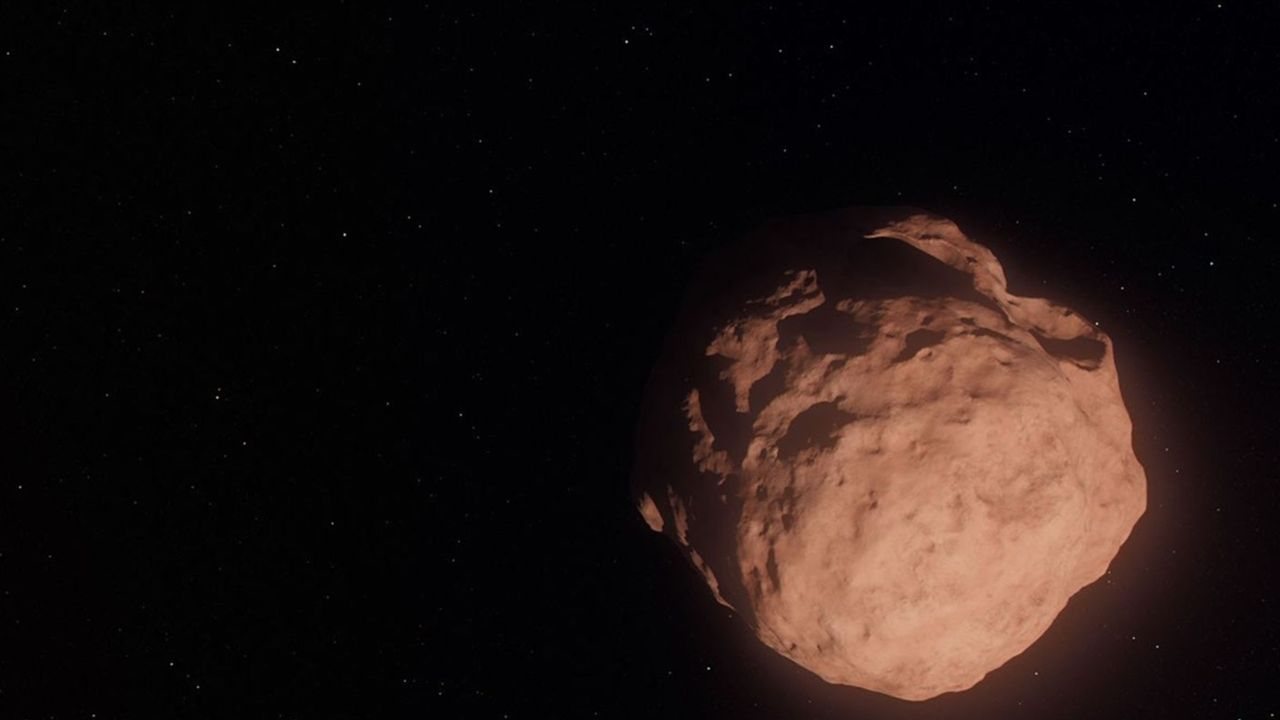
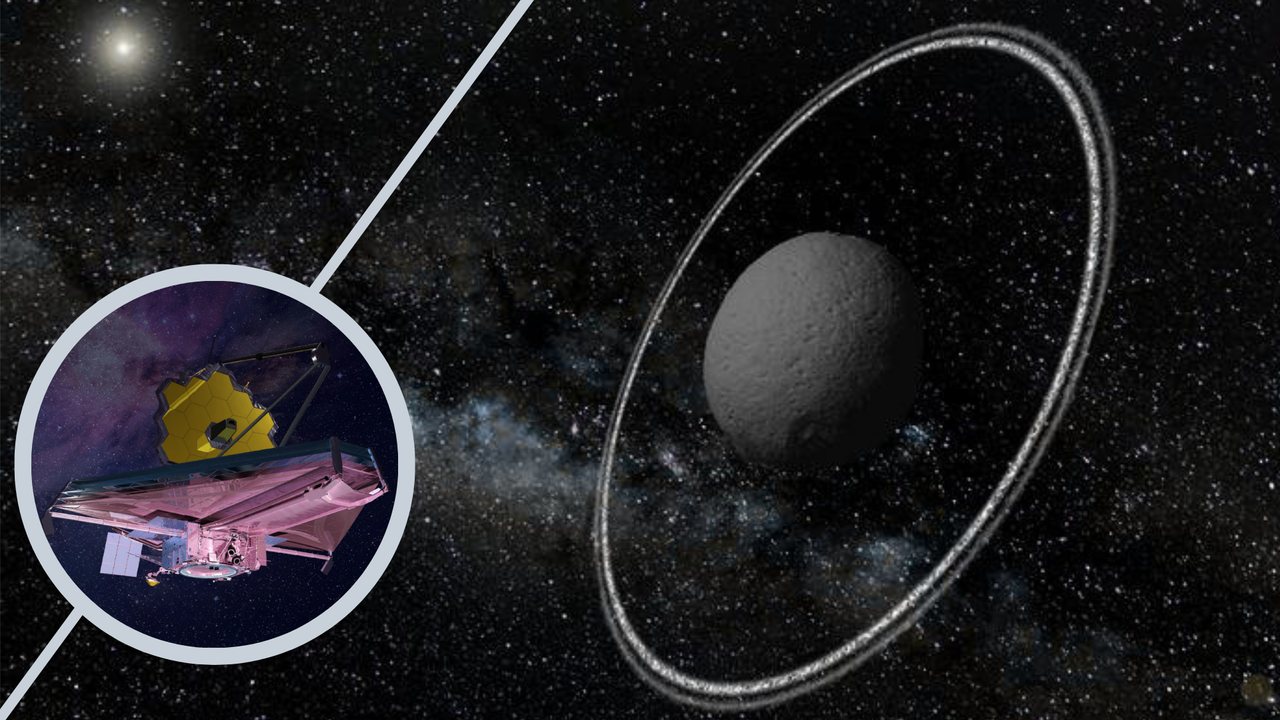
New JWST observations of the centaur Chariklo reveal that its two thin rings have changed in brightness over a decade, challenging the view that small-body ring systems are stable.
Discipline
News, research analysis and evidence-based explanation. 20 stories in this section.
New JWST observations of the centaur Chariklo reveal that its two thin rings have changed in brightness over a decade, challenging the view that small-body ring systems are stable.
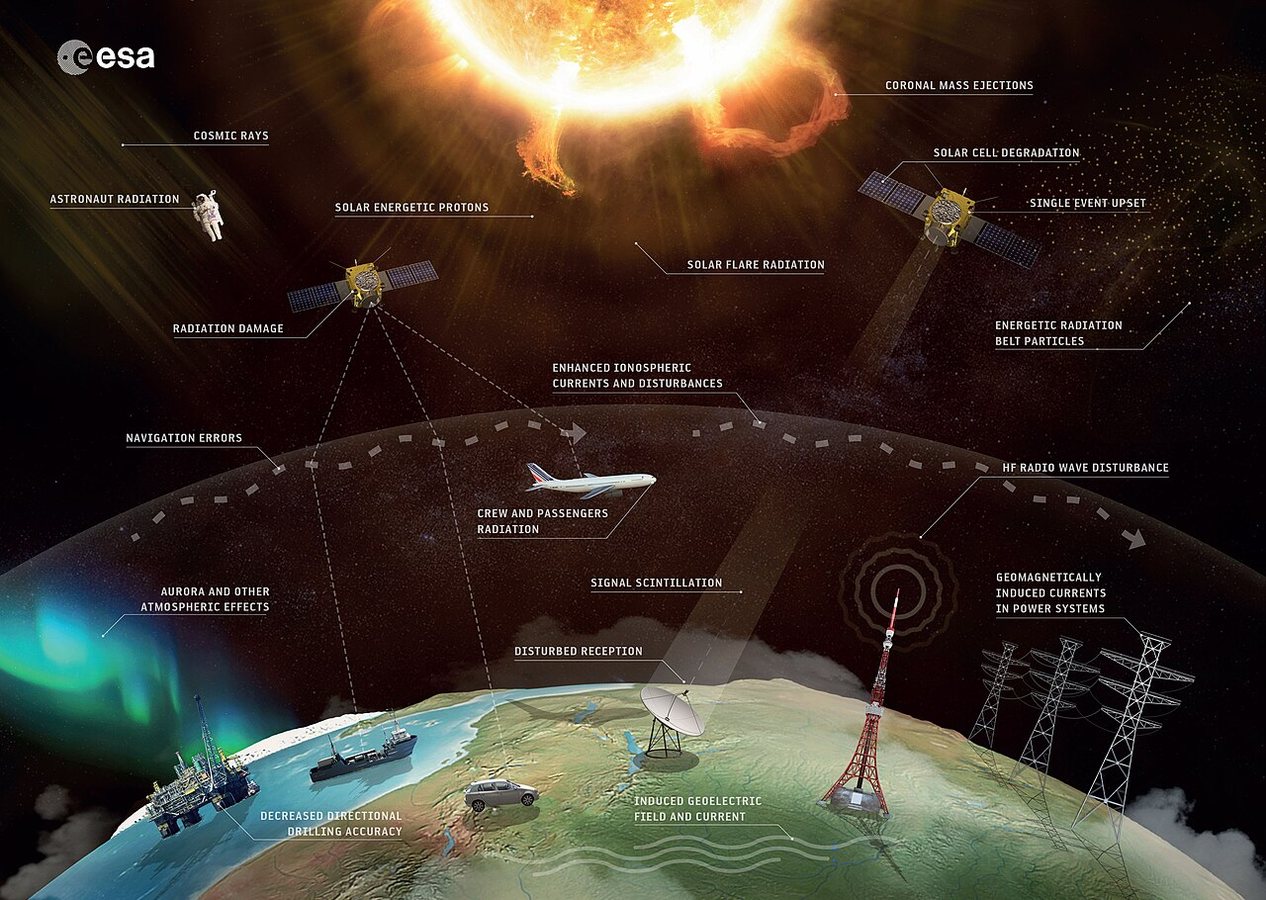
A new study reveals that a famous 1859 space weather event, often cited as the first to disrupt technology, was preceded by earlier geomagnetic storms that affected telegraph systems as …
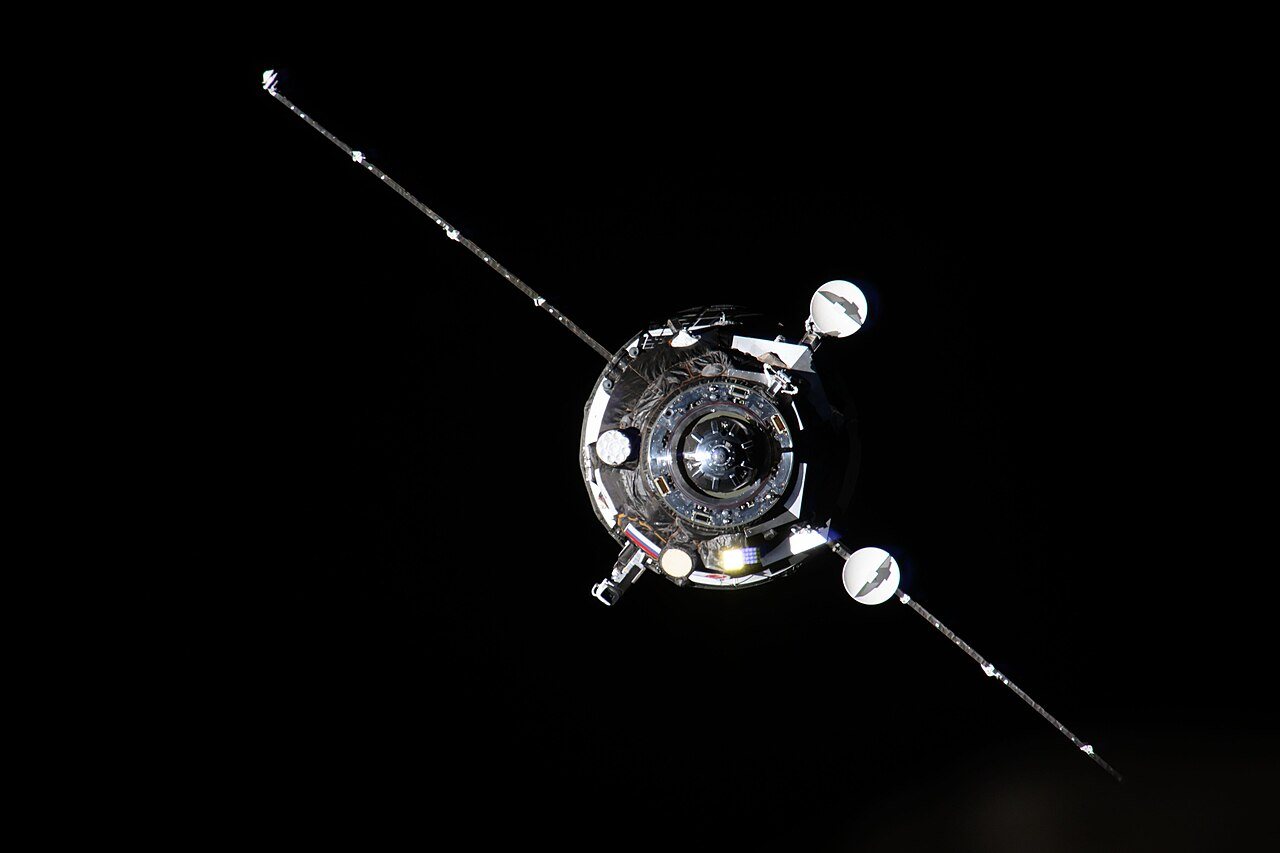
Roscosmos is set to launch the Progress MS-35 cargo spacecraft to the International Space Station on Sept. 16 from the Baikonur Cosmodrome in Kazakhstan, carrying 2,600 kg of supplies for …
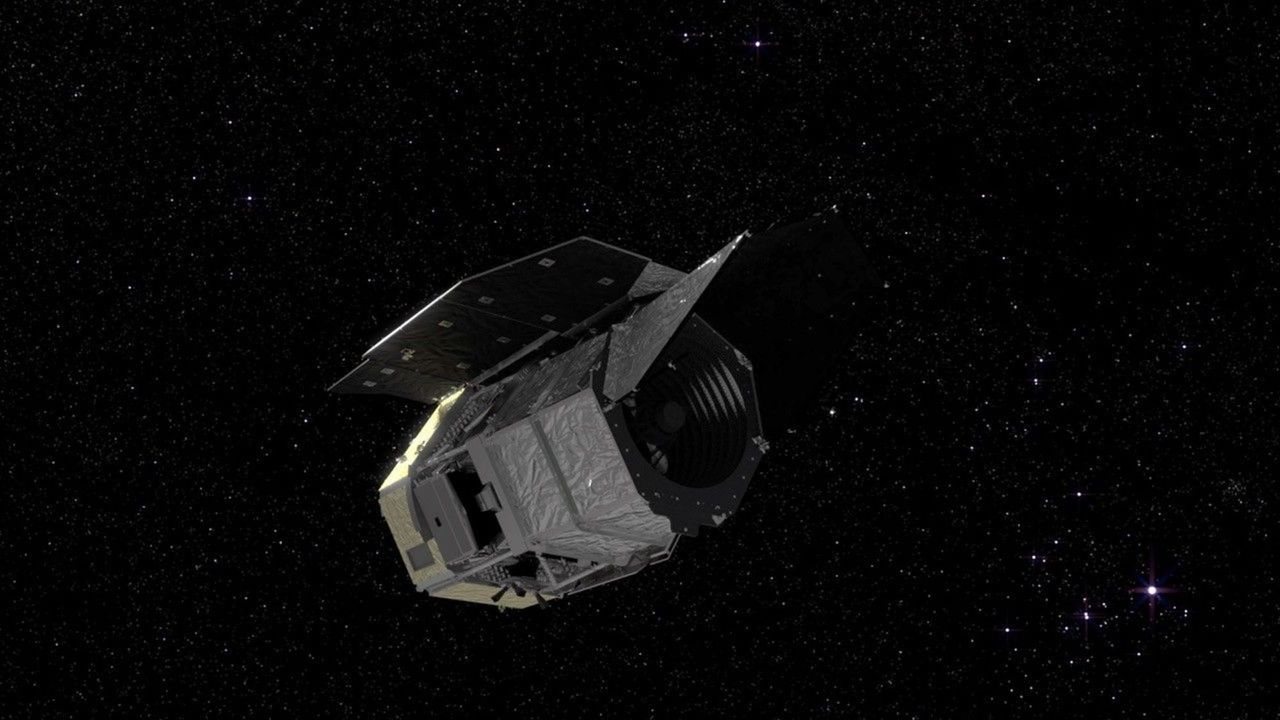
A carefully planned engine burn has extended the Roman Space Telescope's operational life from about 11 years to 22 years, giving astronomers more time to study dark energy and exoplanets.
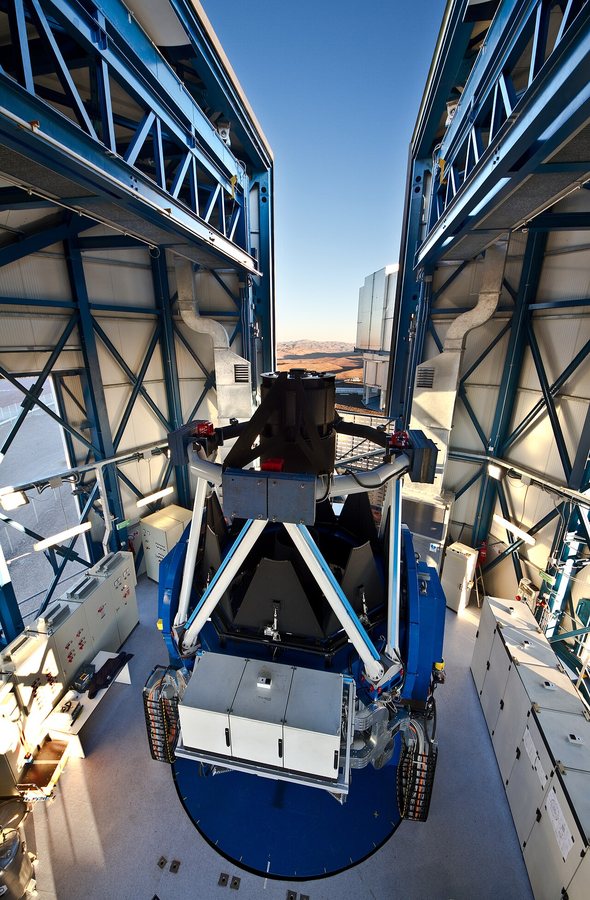
An international team led by Italy's National Institute for Astrophysics has catalogued 47 dwarf galaxy candidates around NGC 5068, NGC 5084 and NGC 5087 using the VLT Survey Telescope, deepening …
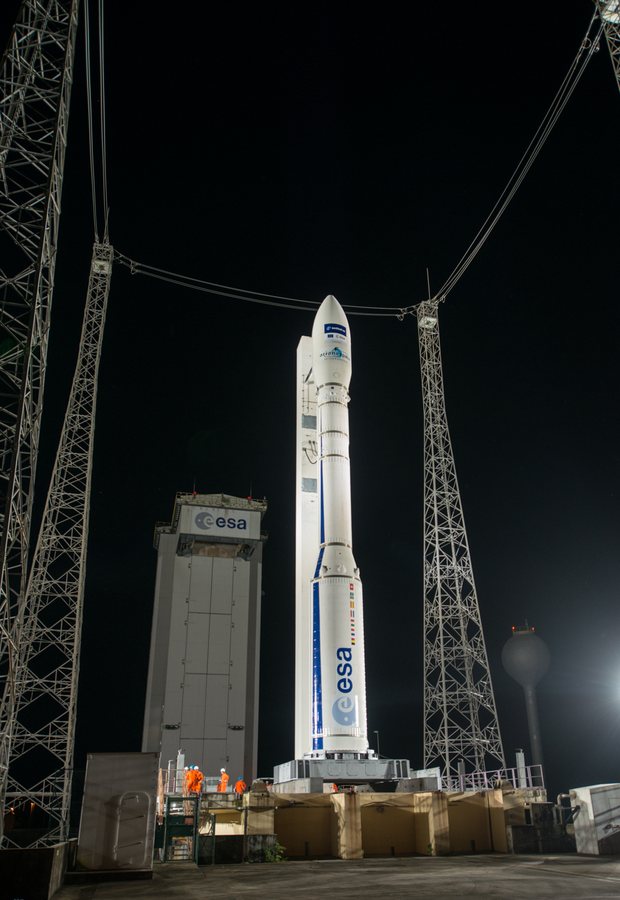
A Vega C launched Sentinel-3C and FLEX from French Guiana, while SpaceX, Roscosmos, and five Chinese rockets are set to fly in a busy week of global space activity.
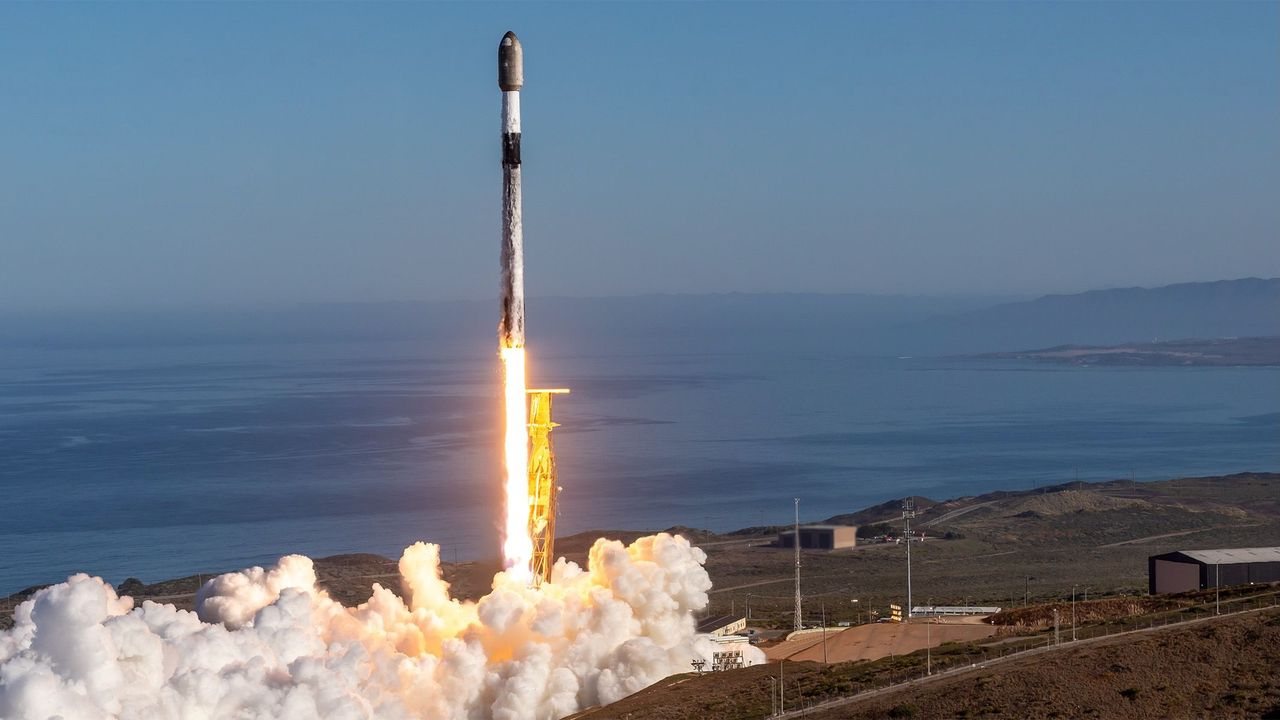
SpaceX is set to launch its second classified national security mission for the U.S. Space Force in less than a week, continuing a rapid-fire cadence of dedicated military spaceflights.
The fourth edition of the Gerrei AstroFest will take place on September 19, 2026, in Sant'Andrea Frius, Sardinia, featuring a full day of free astronomy activities, workshops, and stargazing organized …
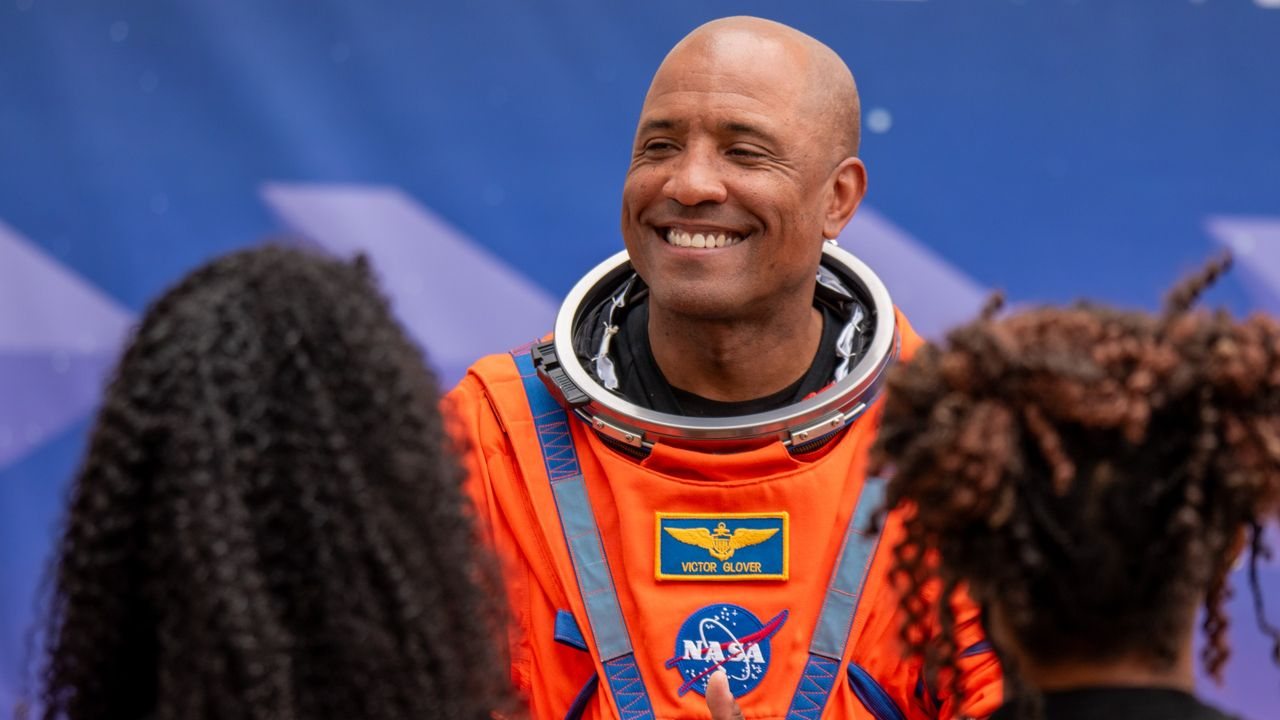
NASA astronaut Victor Glover, fresh from the Artemis II lunar flyby, discusses his decision to leave the agency and what comes next for his career in space exploration.
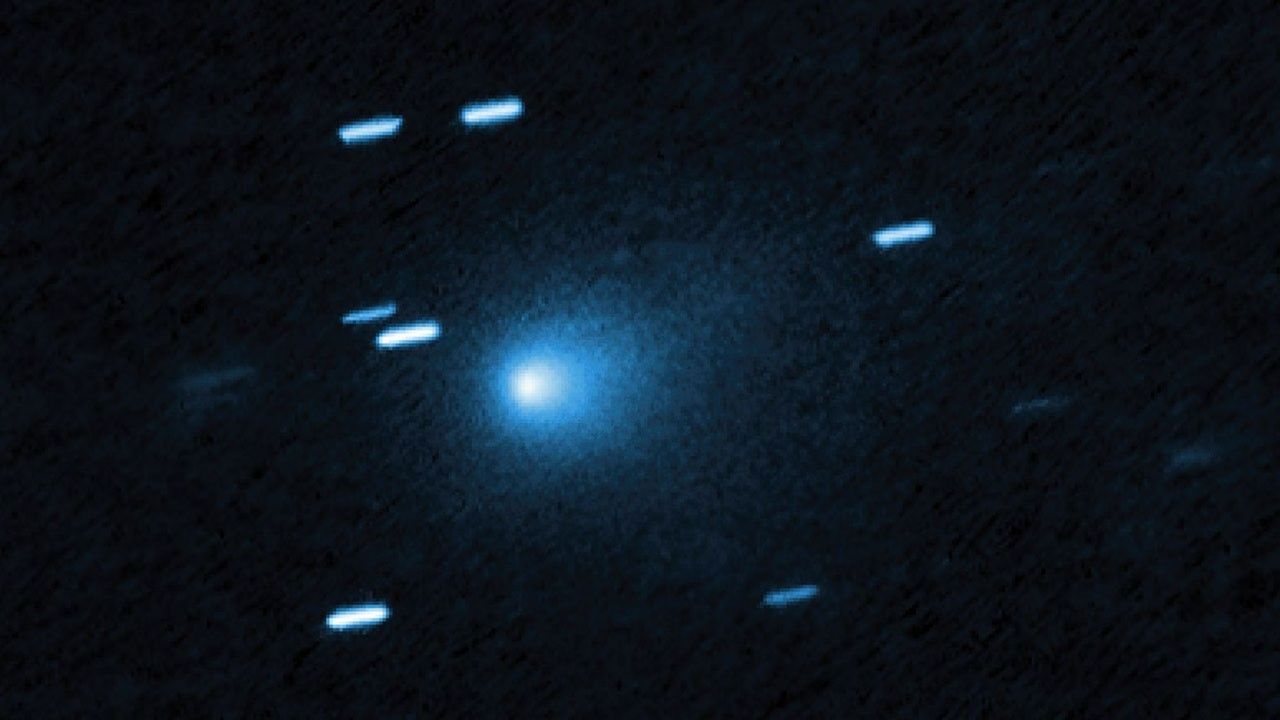
Astronomers have found new evidence that 3I/ATLAS, the third confirmed interstellar object ever detected, formed in an extremely cold environment far from any star, offering a rare window into the …
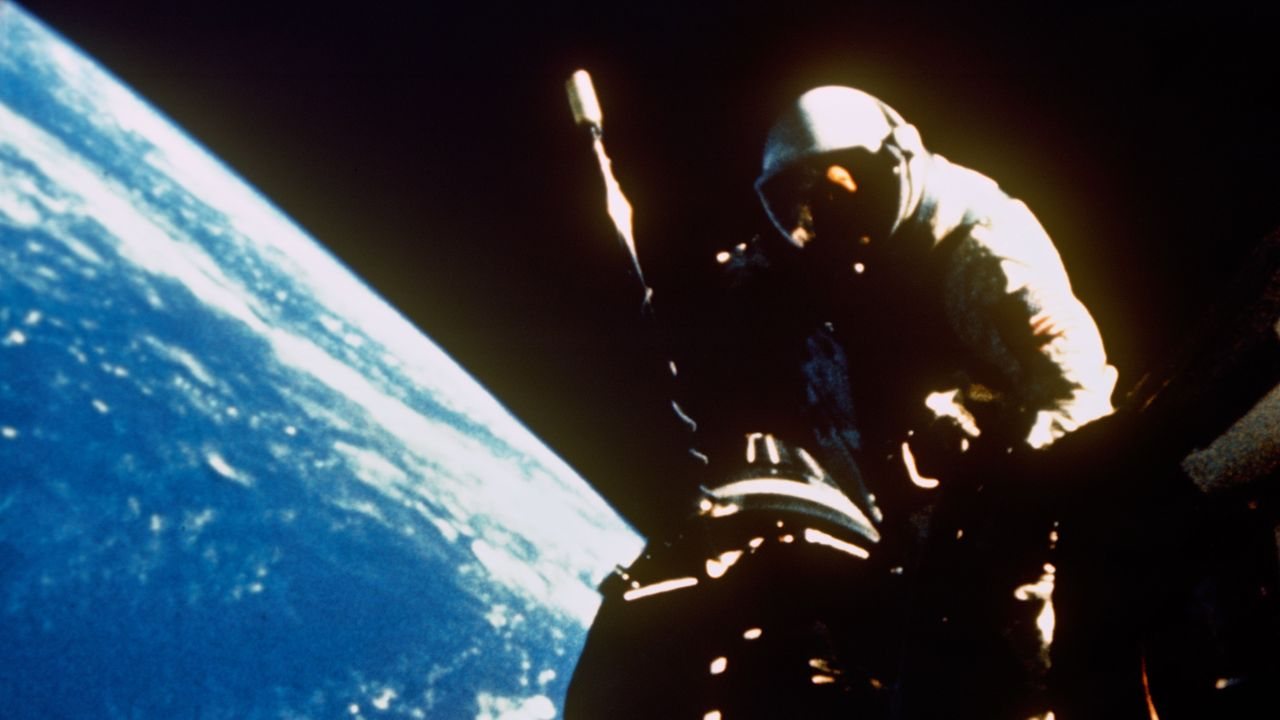
On Sept. 14, 1966, NASA's Gemini 11 crew reached a record-high Earth orbit that remained unbroken for nearly six decades, a milestone in the Gemini program's push toward the Moon.
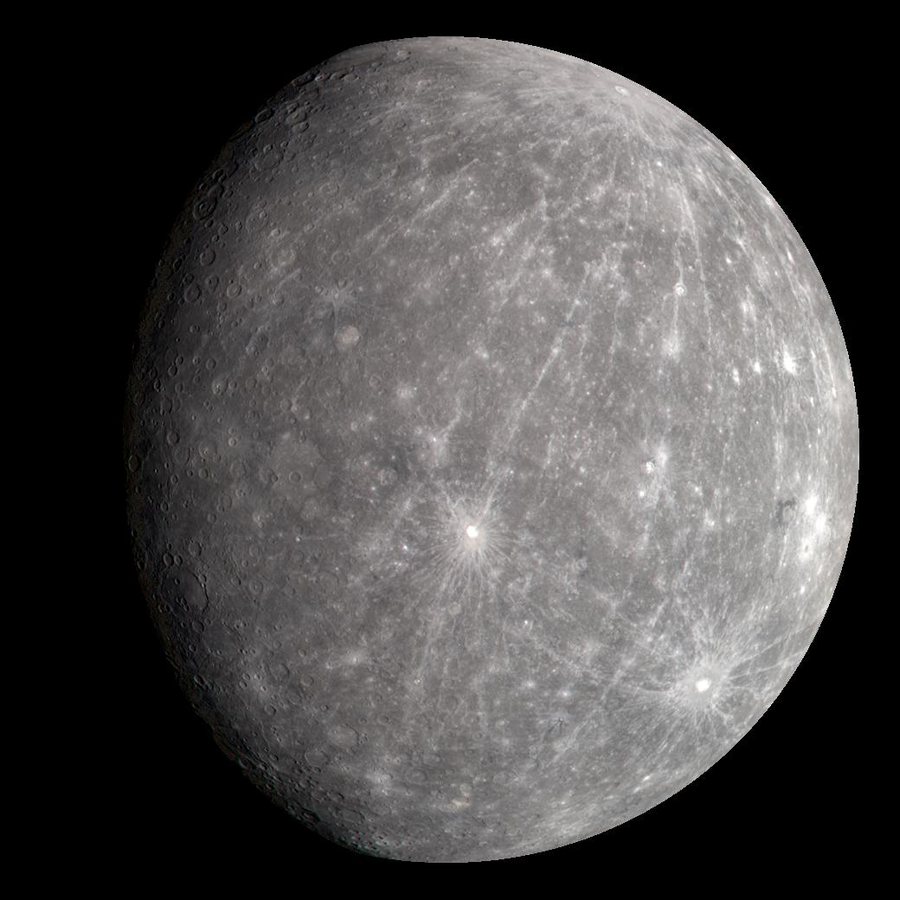
New research led by the German Aerospace Center's Institute of Space Research shows that Mercury has contracted by nearly 19 kilometers across, with crater debris hiding the surface wrinkles that …
A new immersive camera designed to map the Moon's subsurface lava tubes has completed testing in Italy, as the European Space Agency prepares a robotic mission to explore these potential …
The James Webb Space Telescope and Hubble have jointly identified 27 previously unknown bodies orbiting the sun far beyond Neptune, adding fresh complexity to the outer solar system.
The VV30 mission will place the Sentinel-3C ocean and land monitoring satellite and the FLEX vegetation fluorescence observatory into a sun-synchronous orbit from Kourou, French Guiana.
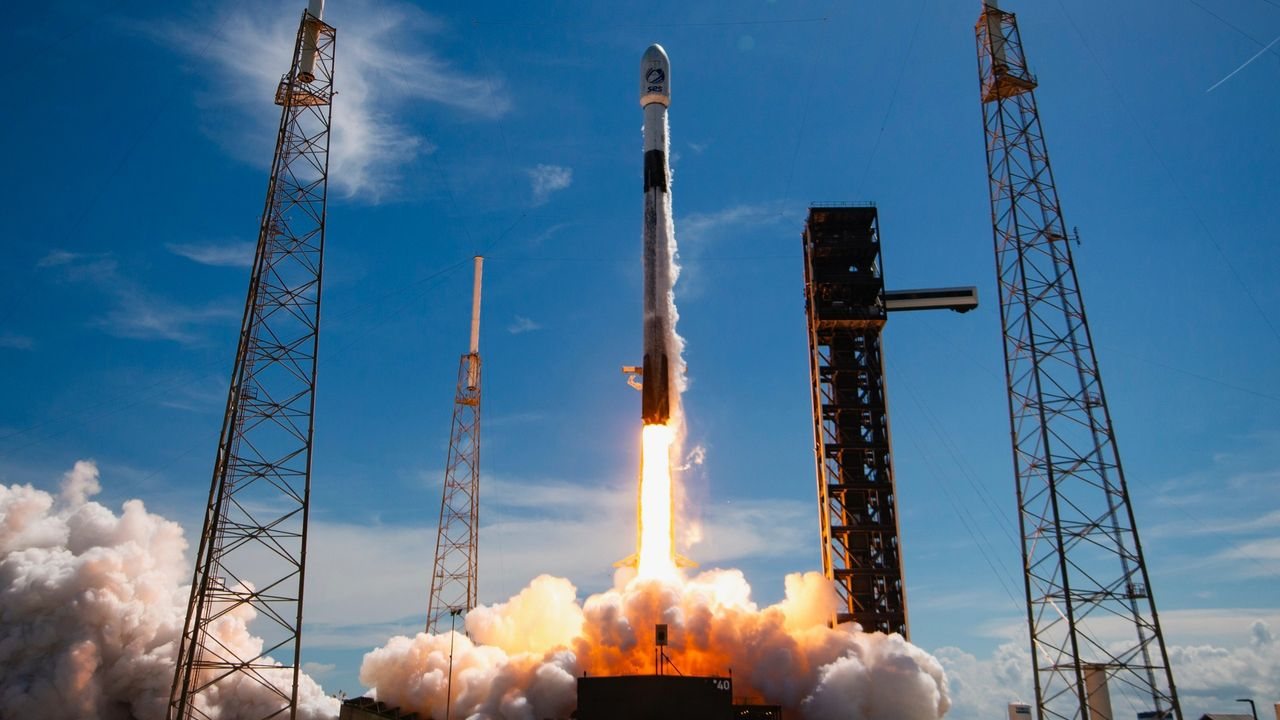
SpaceX launched three telecommunications satellites to orbit, marking the 700th flight of a Falcon rocket and underscoring the company's growing dominance in commercial launch.
The James Webb Space Telescope has discovered that the two narrow rings around Chariklo, a small icy body in the outer solar system, are changing over time, offering a rare …
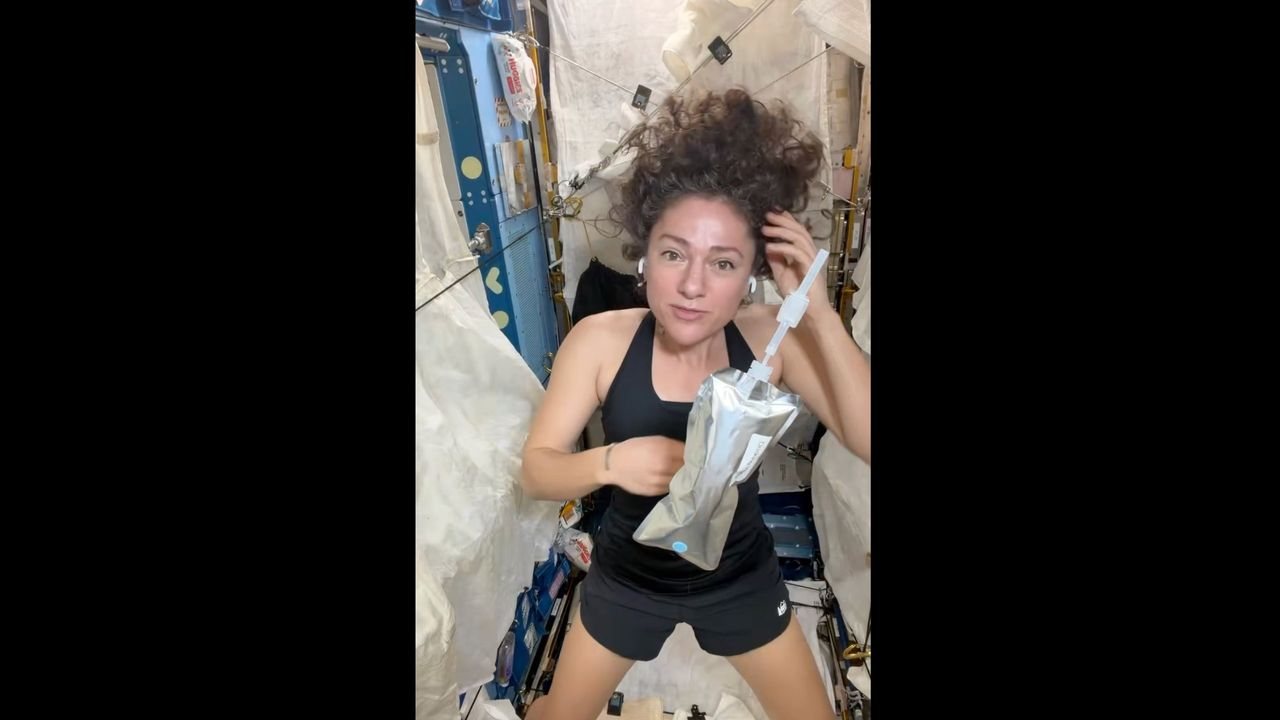
NASA astronaut Jessica Meir has shared practical advice for managing curly hair in microgravity aboard the International Space Station, offering a lighthearted look at daily life in orbit.
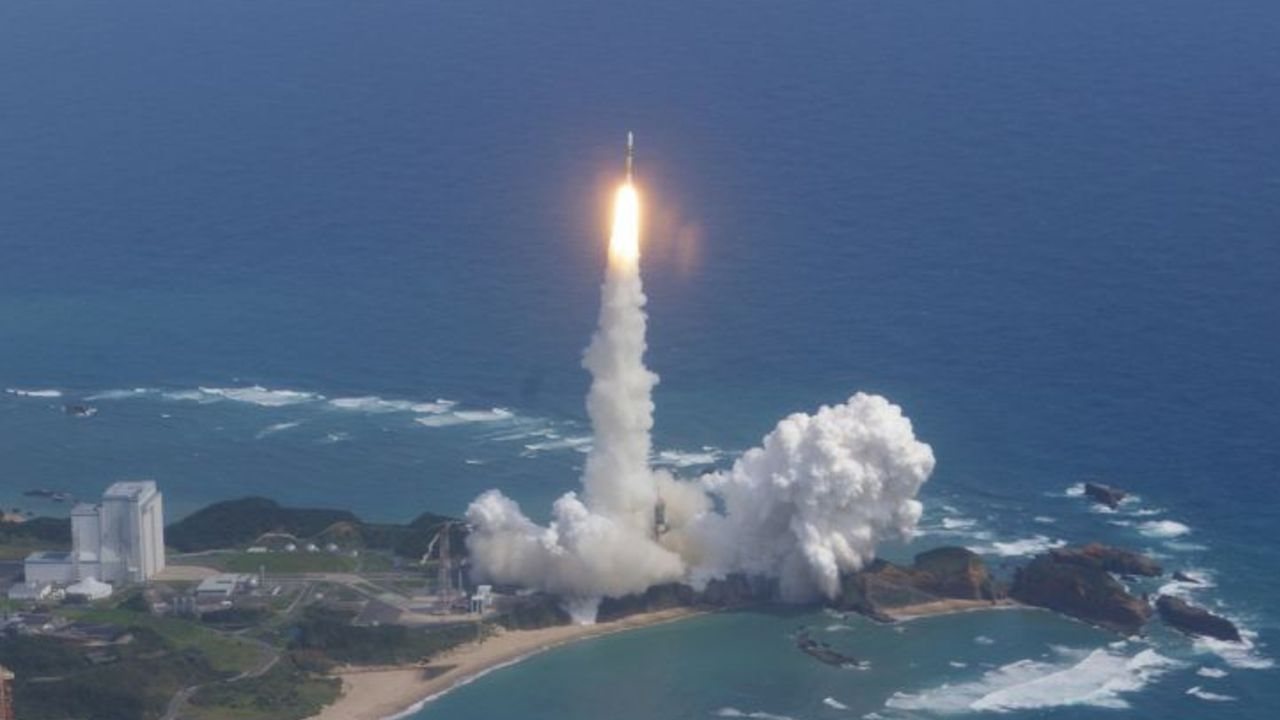
On September 13, 2007, Japan launched the Kaguya lunar orbiter, the largest moon mission since Apollo, to map the lunar surface in high definition and study its gravity and geology.
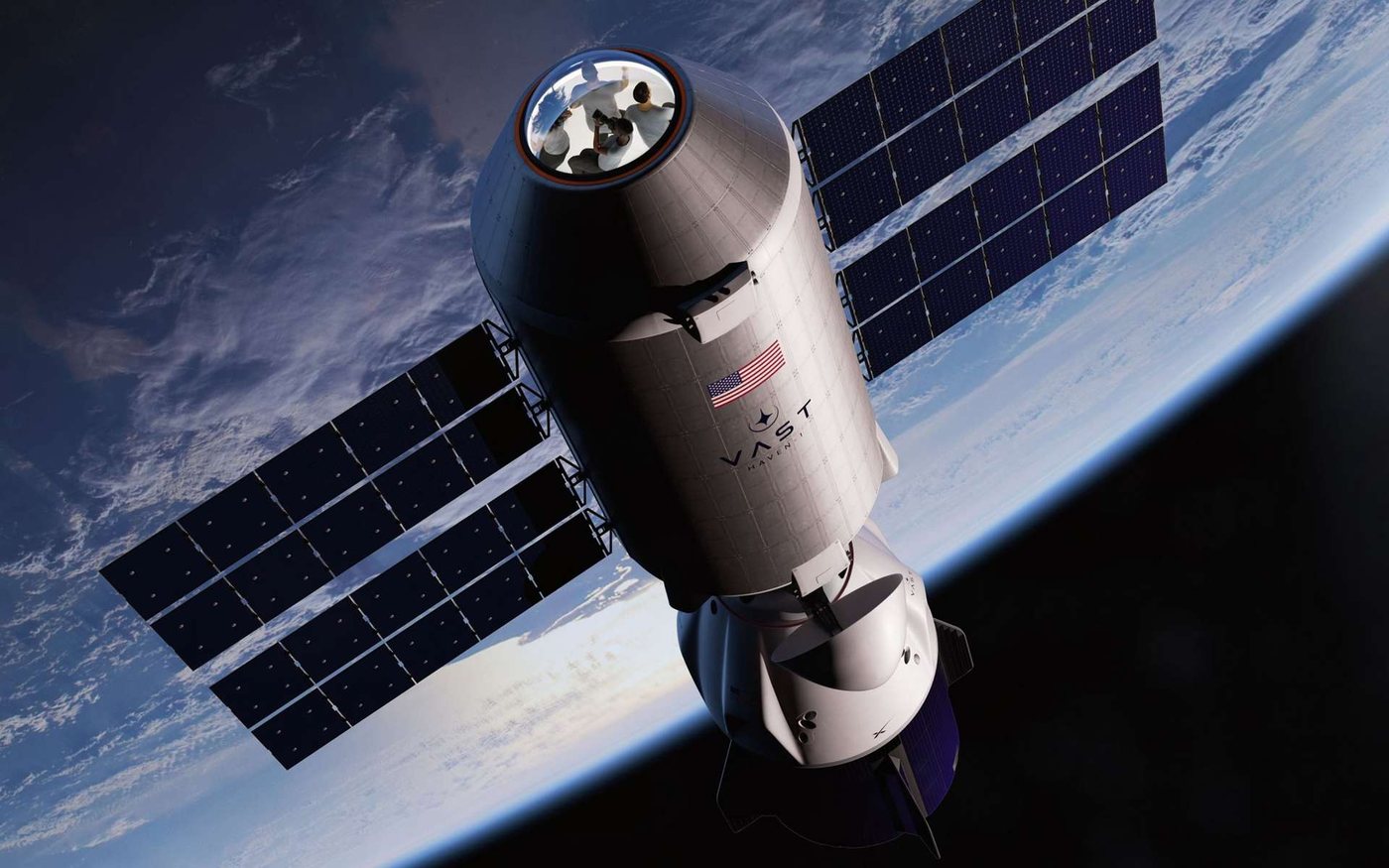
French astronaut Thomas Pesquet will command a private mission to the International Space Station coordinated by Vast, a young American startup making its first ISS visit. The company has quickly …