Venus Joins Crescent Moon in Sunset Sky Tonight
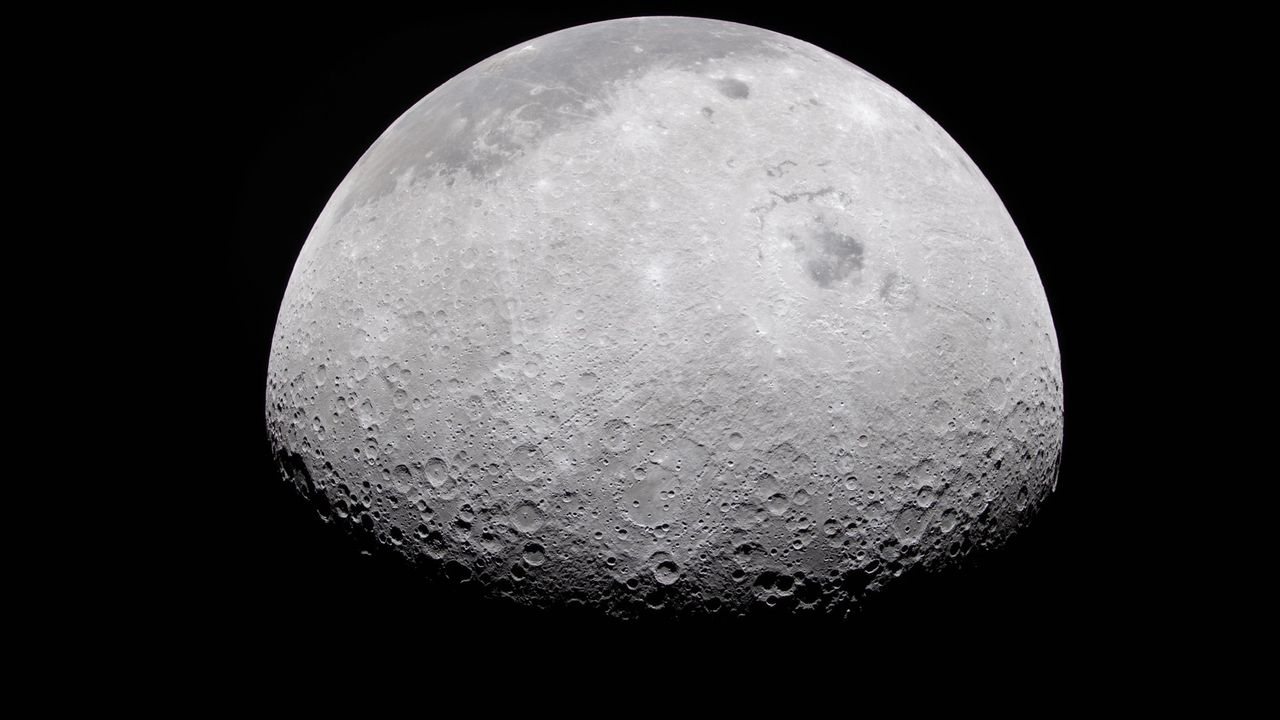
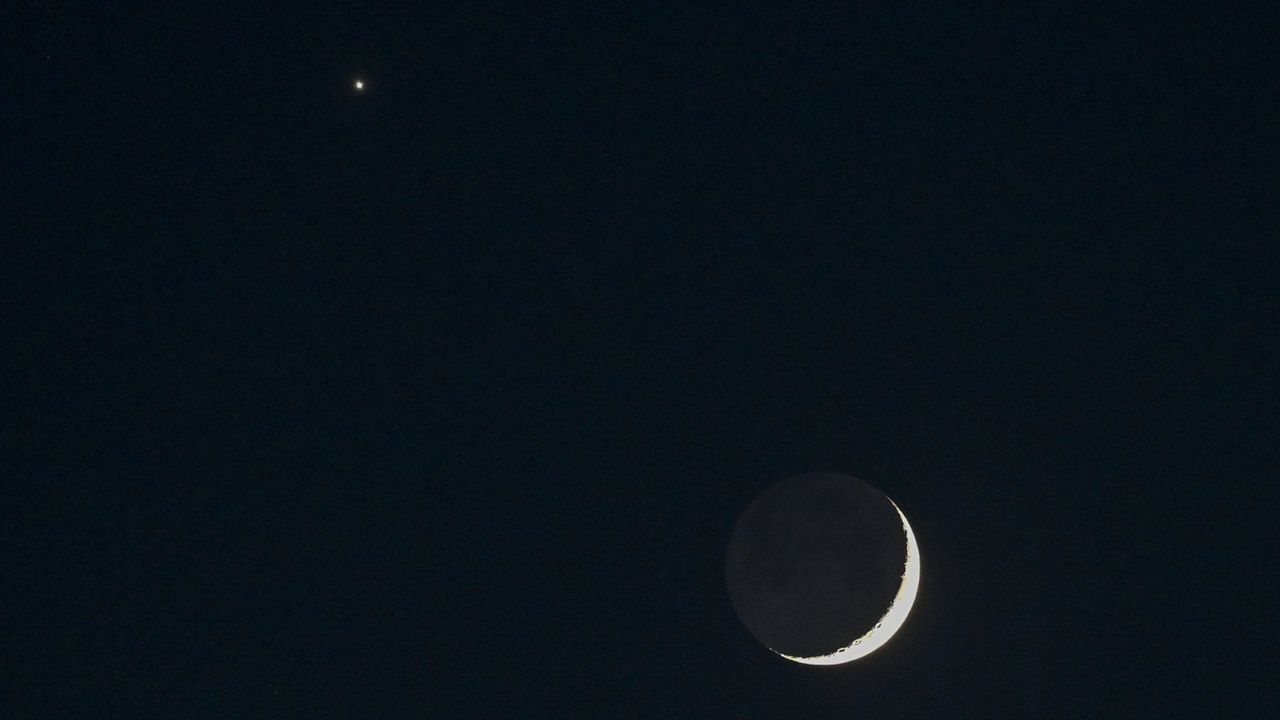
Skywatchers across the United States can see Venus shining brightly beside a thin crescent moon just after sunset, a pairing that requires only a clear view of the western horizon.
Discipline
News, research analysis and evidence-based explanation. 20 stories in this section.
Skywatchers across the United States can see Venus shining brightly beside a thin crescent moon just after sunset, a pairing that requires only a clear view of the western horizon.
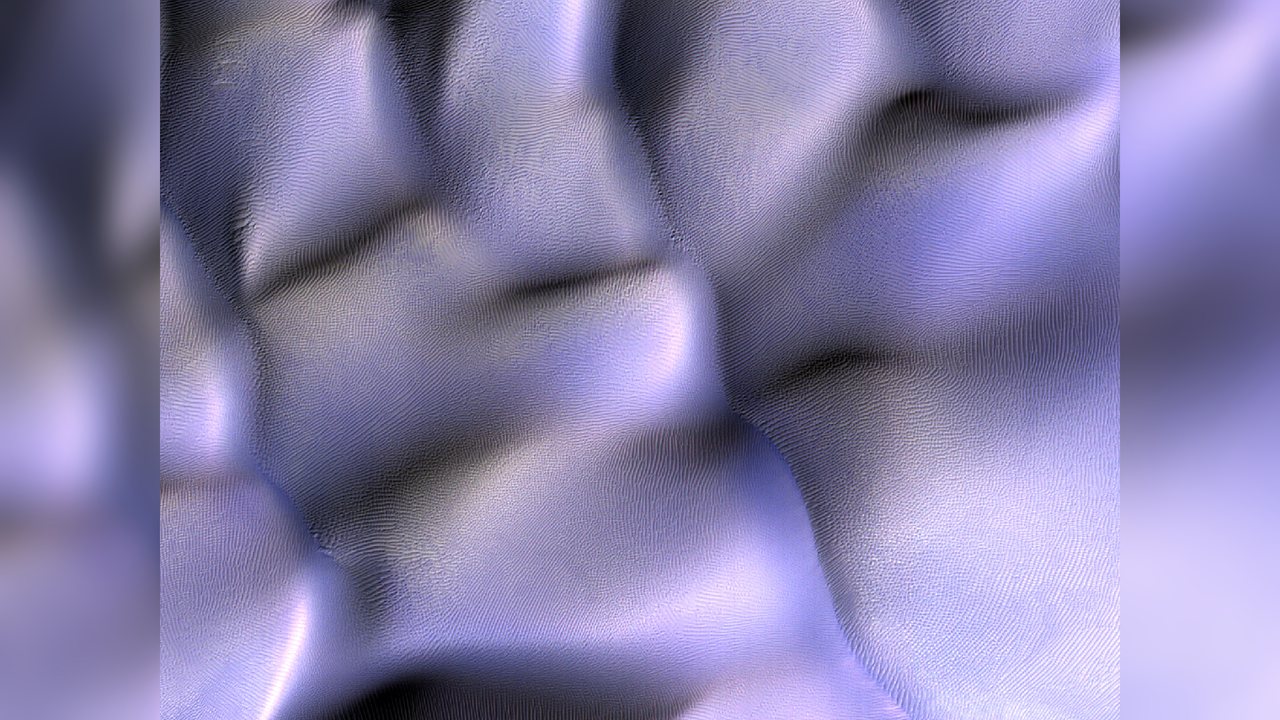
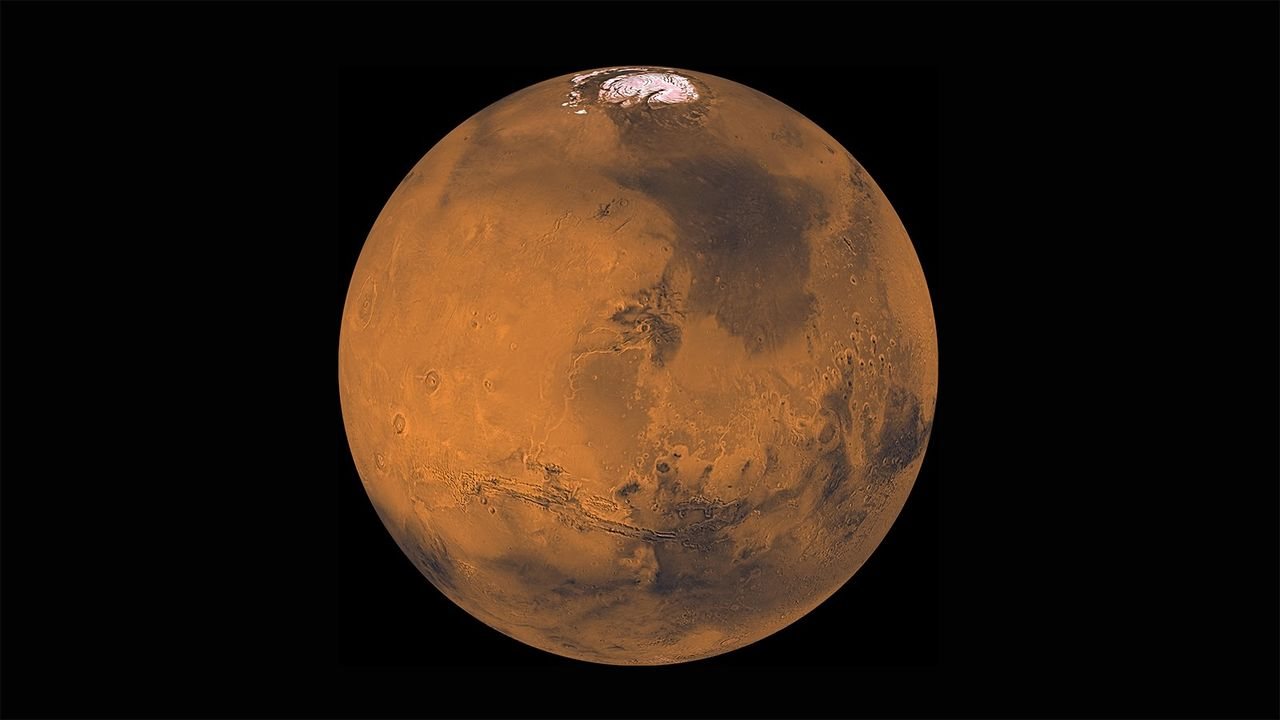
A newly released image shows undulating dark dune fields on Mars, shaped by wind into wave-like patterns that reveal the planet's active surface processes.
A proposed US Space Academy could blur the boundaries between NASA's civilian mission and the military's growing role in space, according to an op-ed. The plan raises questions about how …
Isar Aerospace reaches orbit from Norway, the UK commits £7.8 billion to space, PLD Space unveils the reusable Miura 9, and The Exploration Company raises $450 million and wins an …
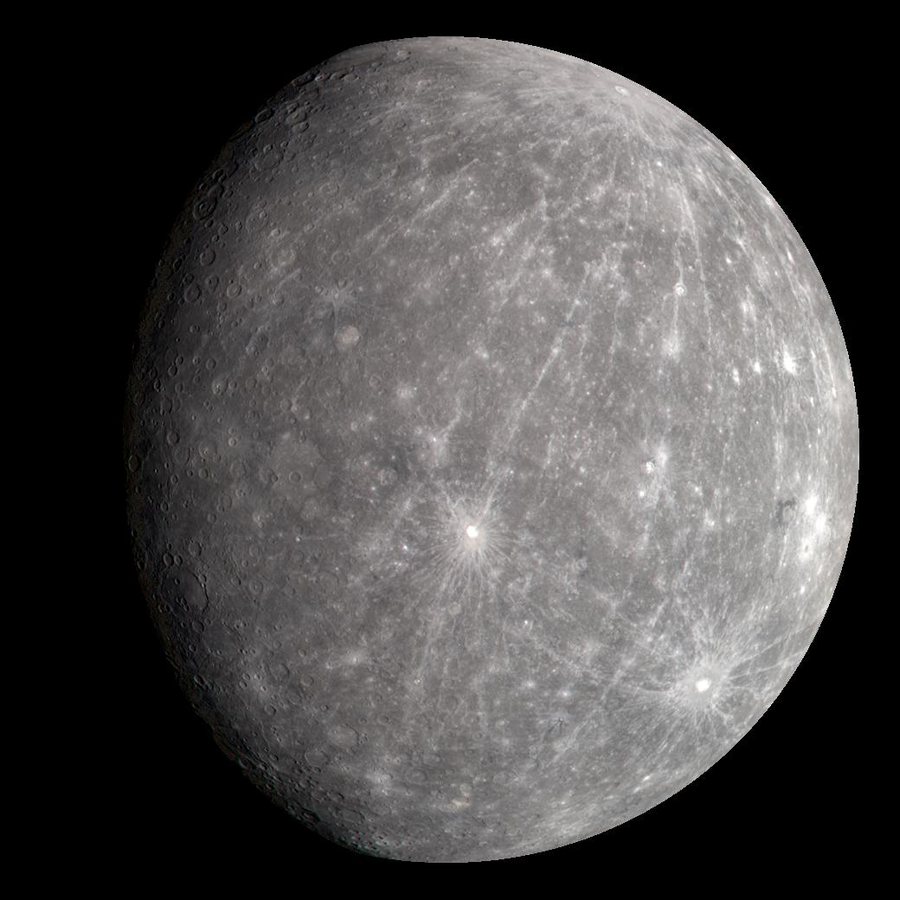
A new study in Nature Communications shows that graphite in Mercury's crust acted as a lubricant, enabling the planet's immense lobate scarps and suggesting it may have contracted far more …
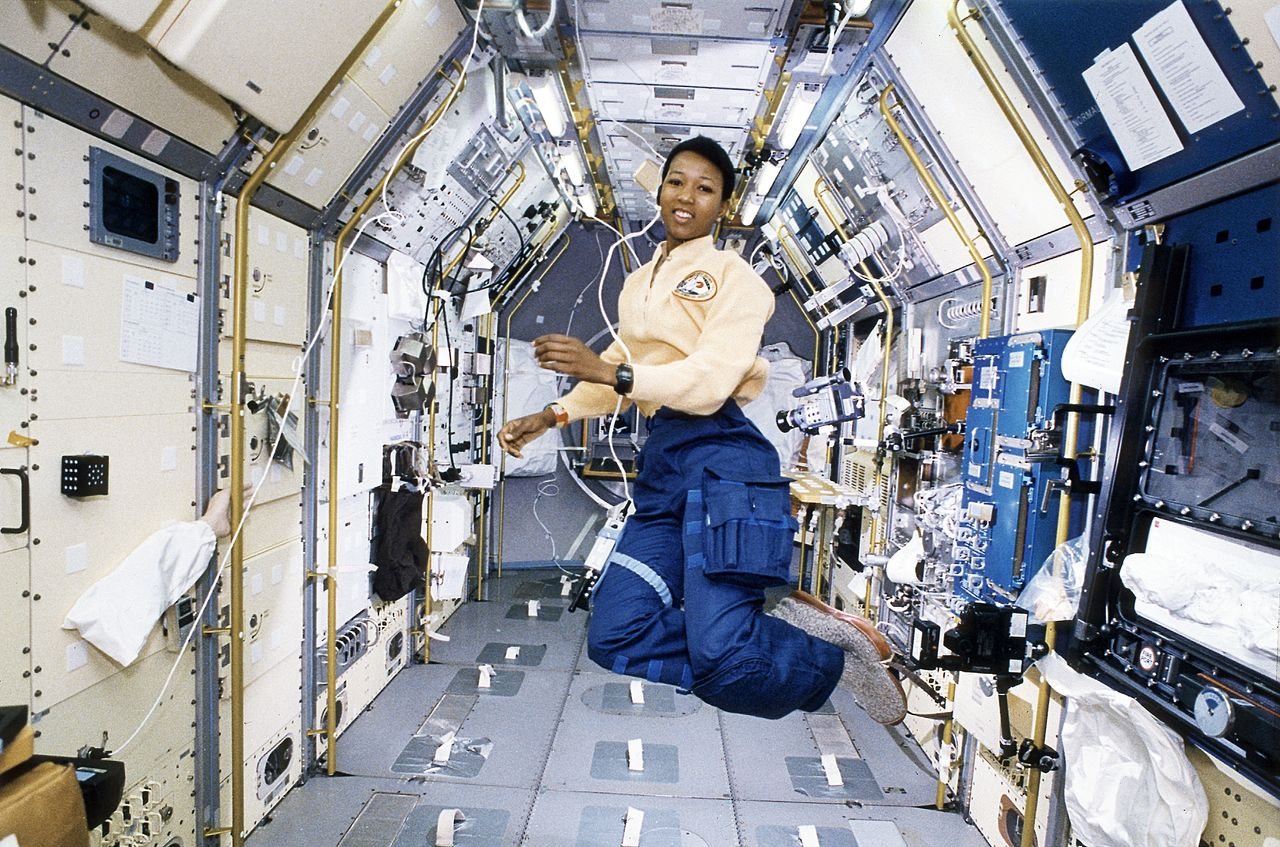
On September 12, 1992, NASA astronaut Mae Jemison flew aboard Space Shuttle Endeavour, becoming the first Black woman to reach space. Her eight-day mission conducted microgravity experiments and inspired a …
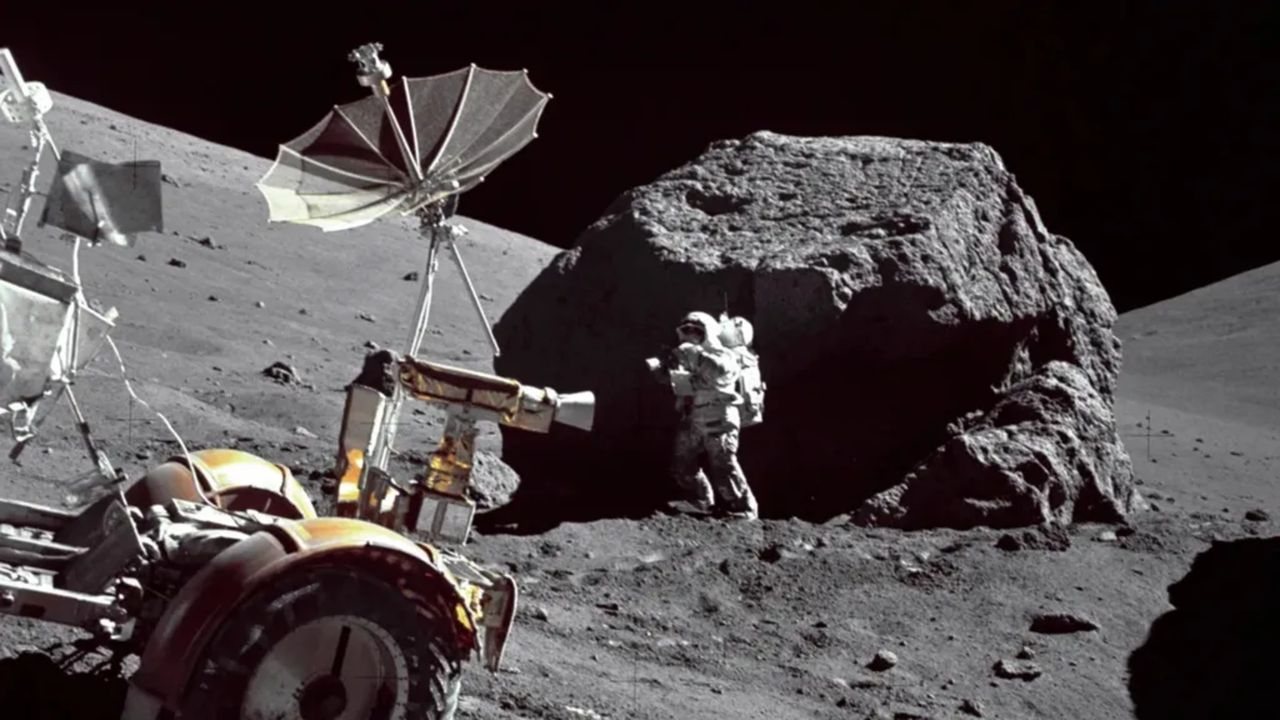
Researchers suggest that microscopic fragments of ancient extraterrestrial technology could be scattered across the moon's surface, and they have outlined a plan to find them using advanced detection methods.
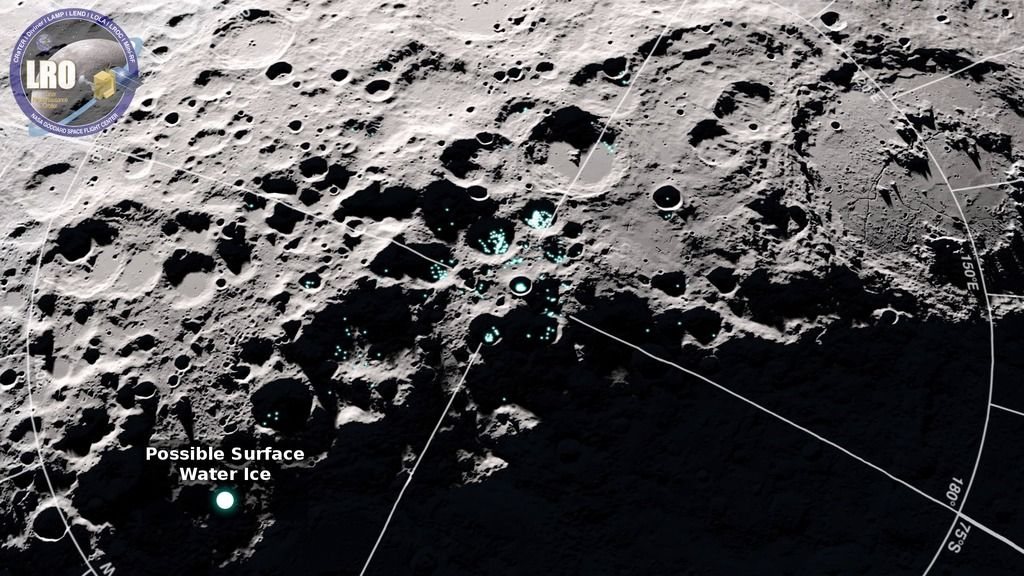
NASA and IBM have released a new artificial intelligence model designed to help researchers study the lunar surface, combining space agency data with commercial AI expertise.
New analyses of the interstellar comet 3I/Atlas have uncovered a highly unusual chemical signature, offering the first direct glimpse of the extreme conditions where it formed beyond our solar system.
A commercial LINK spacecraft conducted a close approach to NASA's Swift Observatory, but the encounter did not provide enough proximity to save the aging telescope. The mission highlights growing interest …
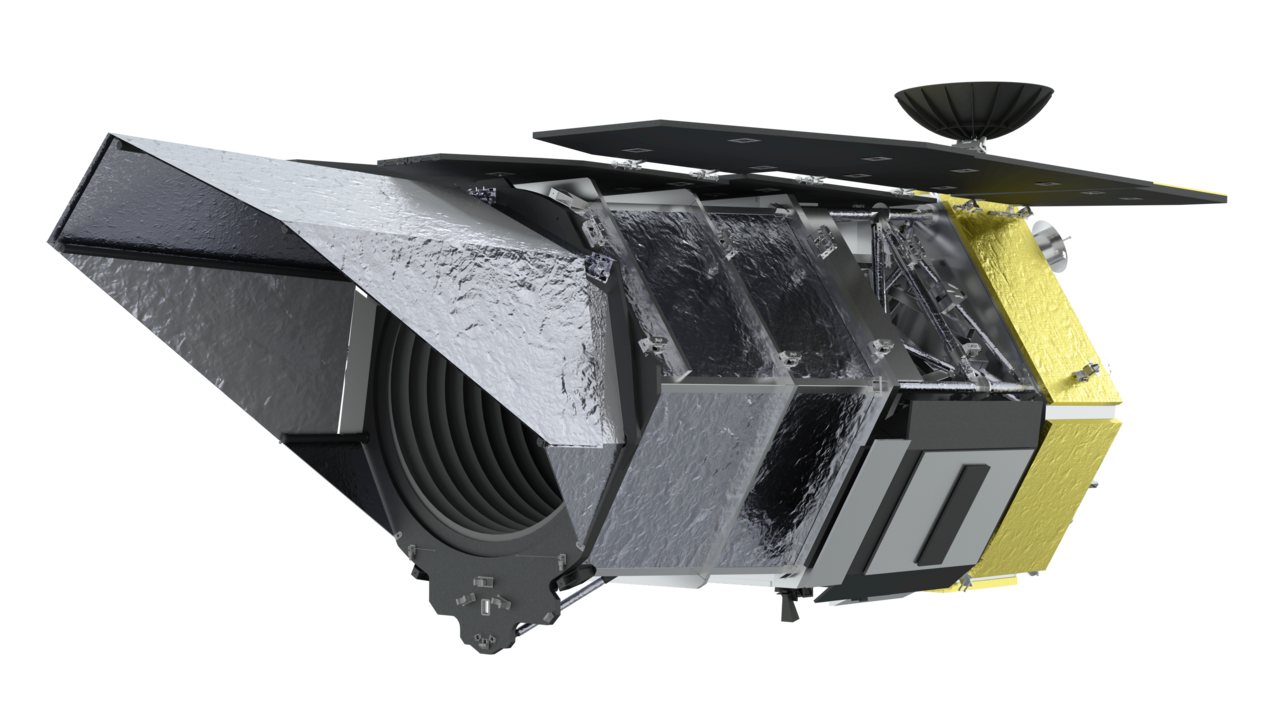
The European Space Agency's Fluorescence Explorer will use its FLORIS instrument to detect the faint glow plants emit during photosynthesis, offering a new global view of vegetation health and its …
Rocket Lab has filed a formal protest against NASA's decision to award Blue Origin a $700 million contract to build and launch a Mars orbiter, arguing the selection process was …
A new analysis of MESSENGER data suggests that induced magnetization from iron-rich rocks in Mercury's crust can explain most of its crustal magnetic field, challenging the long-held view that an …
Two independent mission teams at ESA's European Space Operations Centre are rehearsing side by side to operate FLEX and Sentinel-3C in parallel after their shared launch aboard a single rocket …
NASA's Nancy Grace Roman Space Telescope has completed all physical deployments and activated its Coronagraph Instrument, beginning a 100-day commissioning phase before reaching L2.
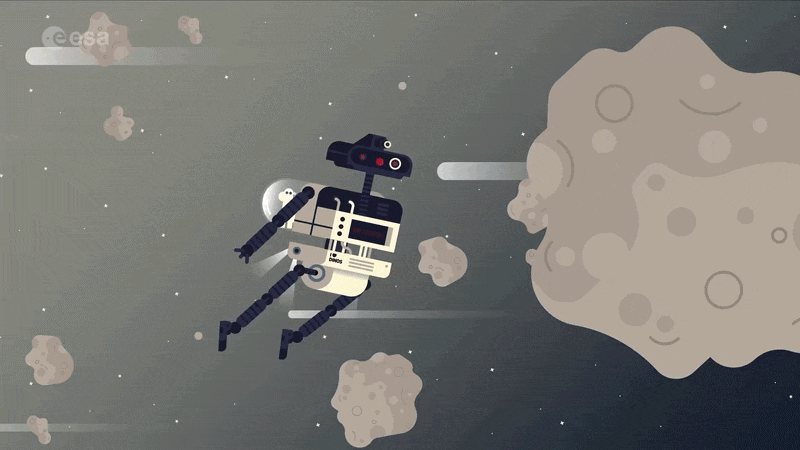
The European Space Agency is inviting people to name the cartoon dinosaur mascot for its Hera asteroid mission, with the winner receiving a place at the spacecraft's arrival celebration in …
China is on track to launch a Mars sample-return mission in 2028, a timeline that experts say could represent a Sputnik moment if accurate, potentially beating a joint NASA-European effort …
NASA and IBM scientists have developed a powerful new AI model designed to map the lunar surface in greater detail than ever before, promising sharper terrain data for future exploration.
A new research paper offers the strongest hints yet that dark matter may have been detected, a finding that could reshape physics if confirmed.
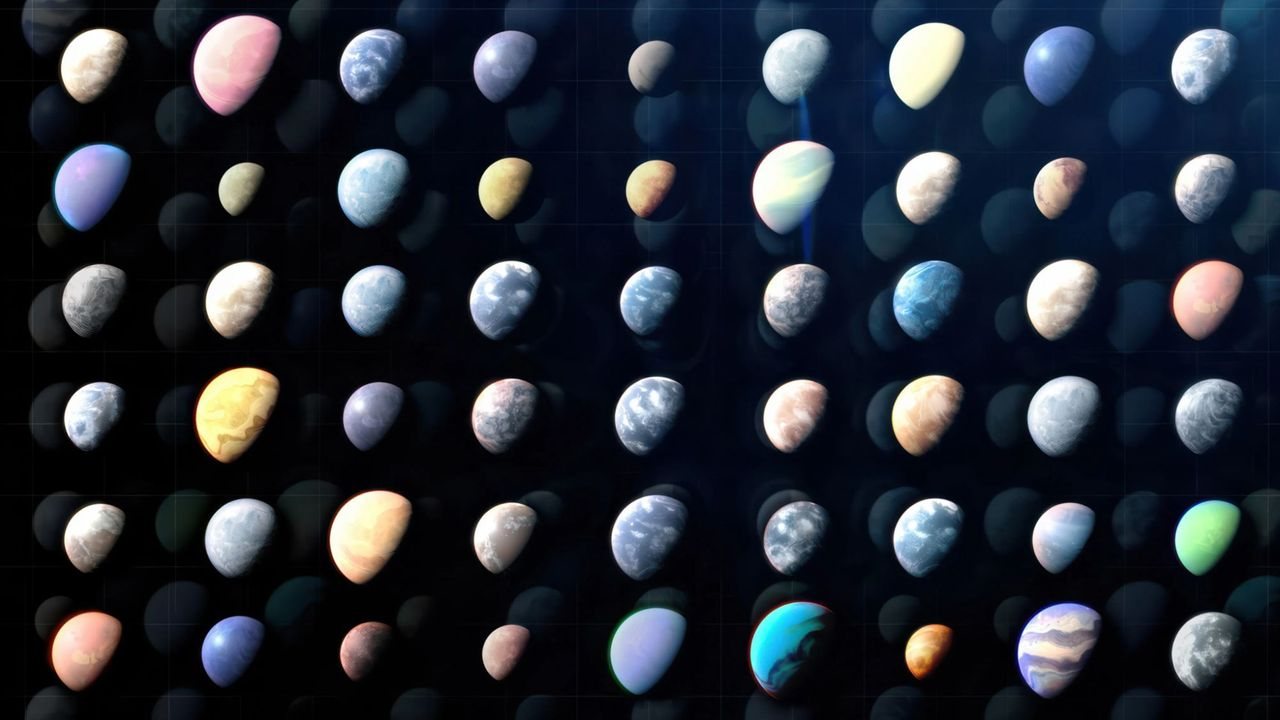
NASA's newly launched Nancy Grace Roman Space Telescope will directly image exoplanets, capturing pictures of worlds orbiting other stars. This technique, distinct from indirect detection methods, will allow scientists to …