NASA and SpaceX Prepare Pre-Dawn Cargo Launch to Space Station
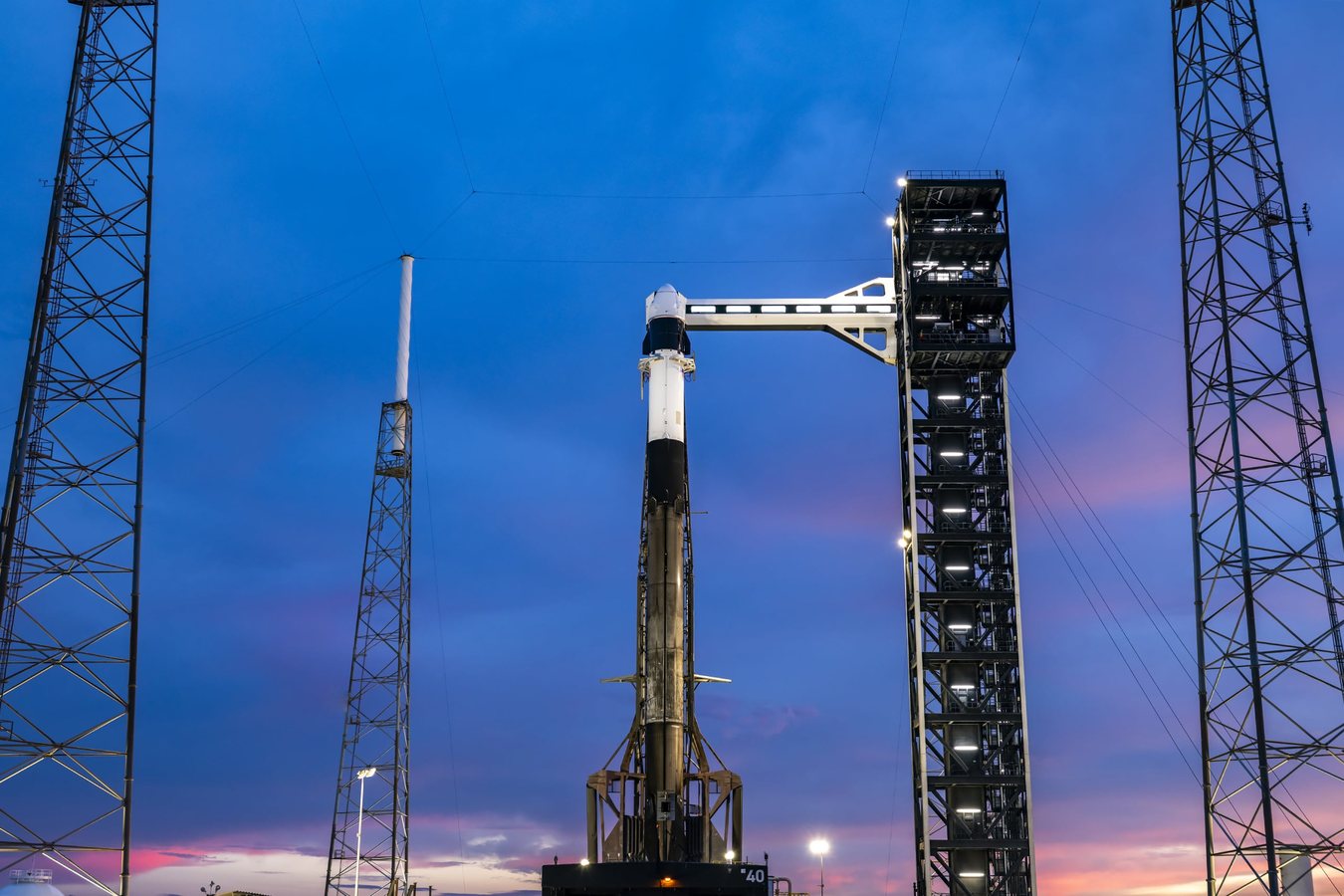
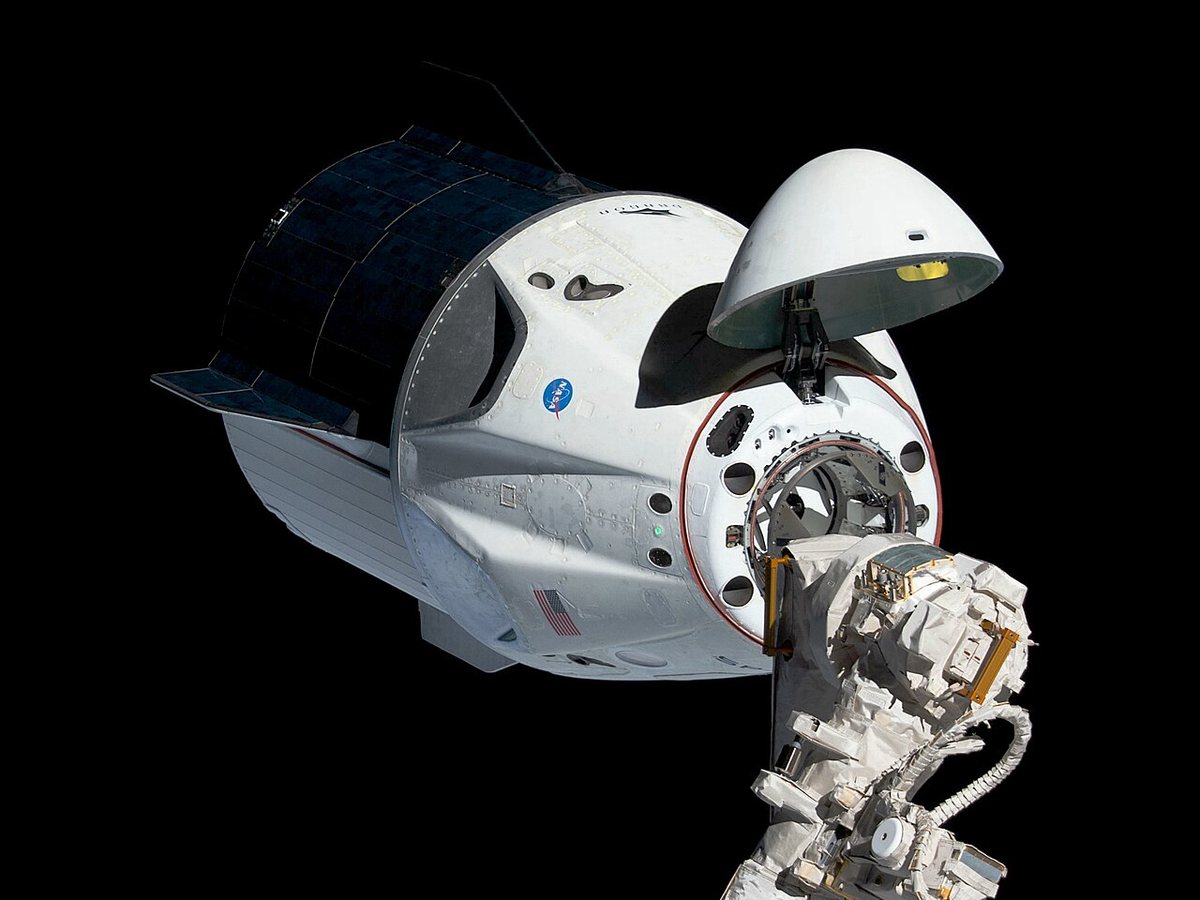
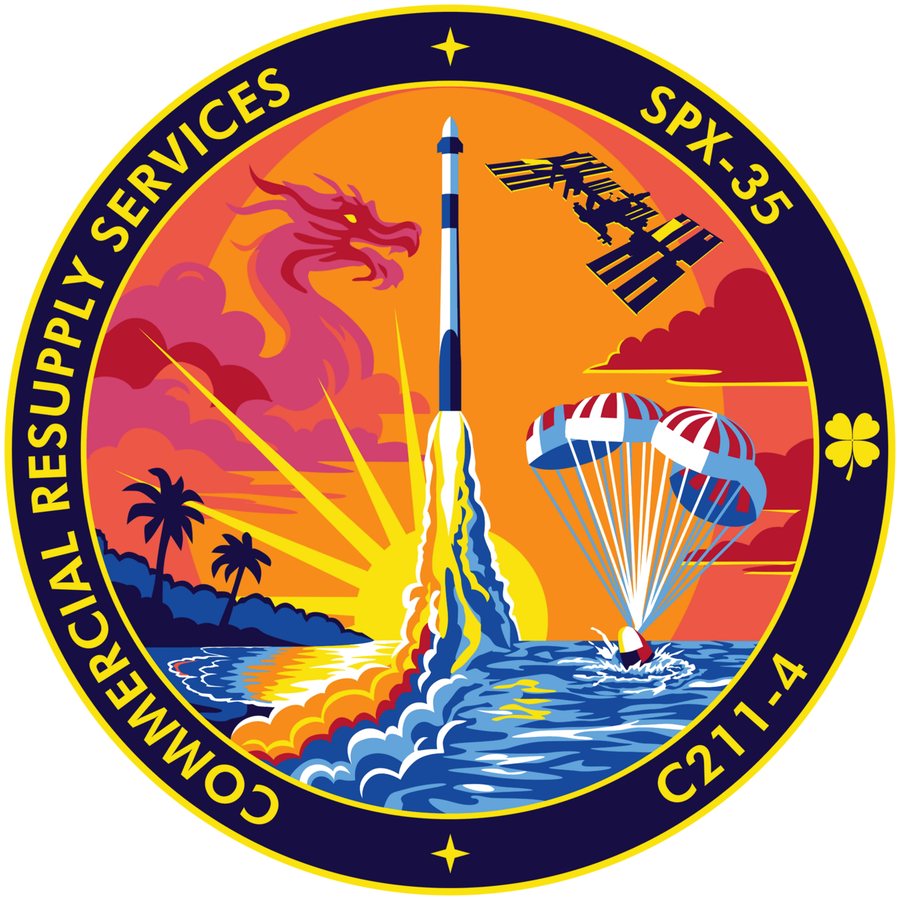
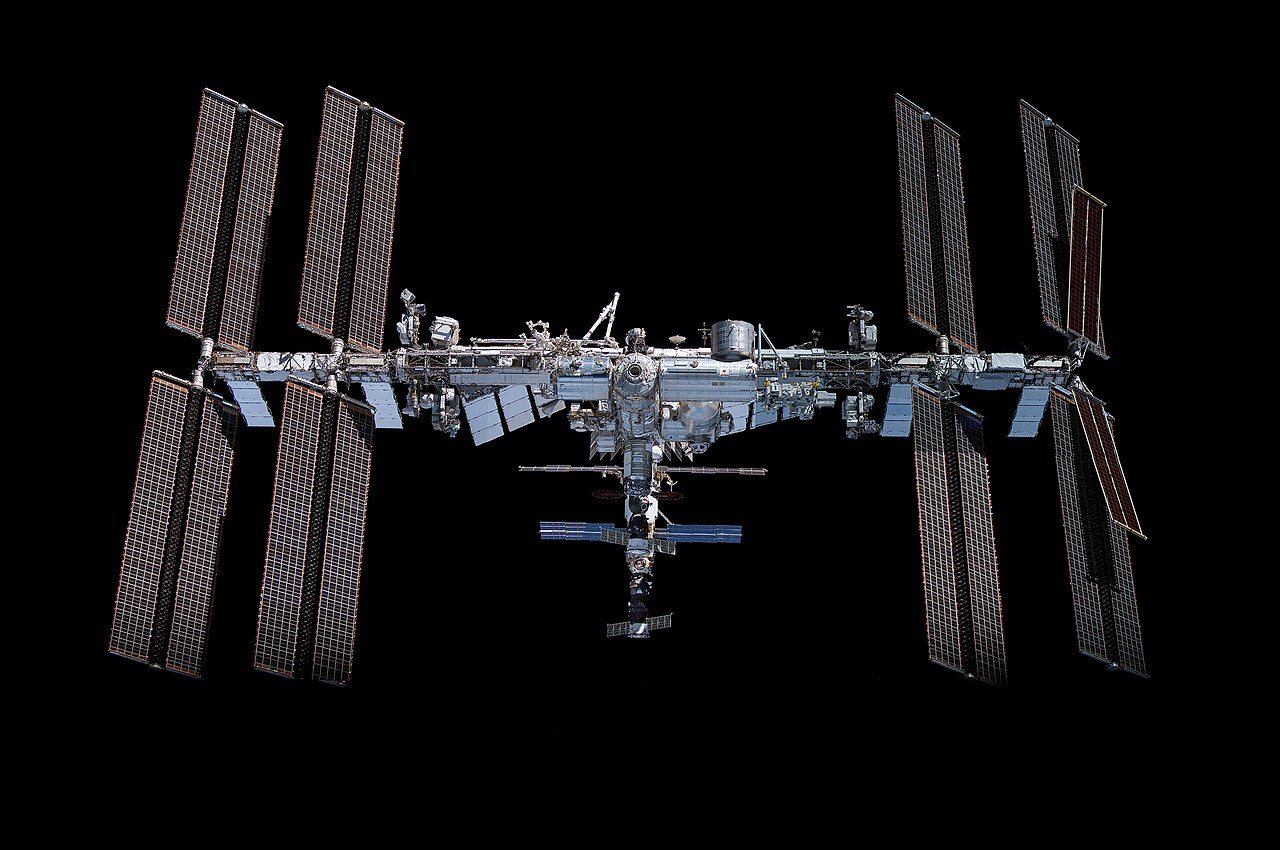
SpaceX's 35th commercial resupply mission will deliver new solar arrays and 6,300 pounds of cargo to the International Space Station, lifting off before sunrise Tuesday.
Discipline
News, research analysis and evidence-based explanation. 20 stories in this section.
SpaceX's 35th commercial resupply mission will deliver new solar arrays and 6,300 pounds of cargo to the International Space Station, lifting off before sunrise Tuesday.
A new experiment sending miniature human organs to the International Space Station aims to uncover why astronauts experience accelerated aging during spaceflight, a finding that could reshape both space medicine …
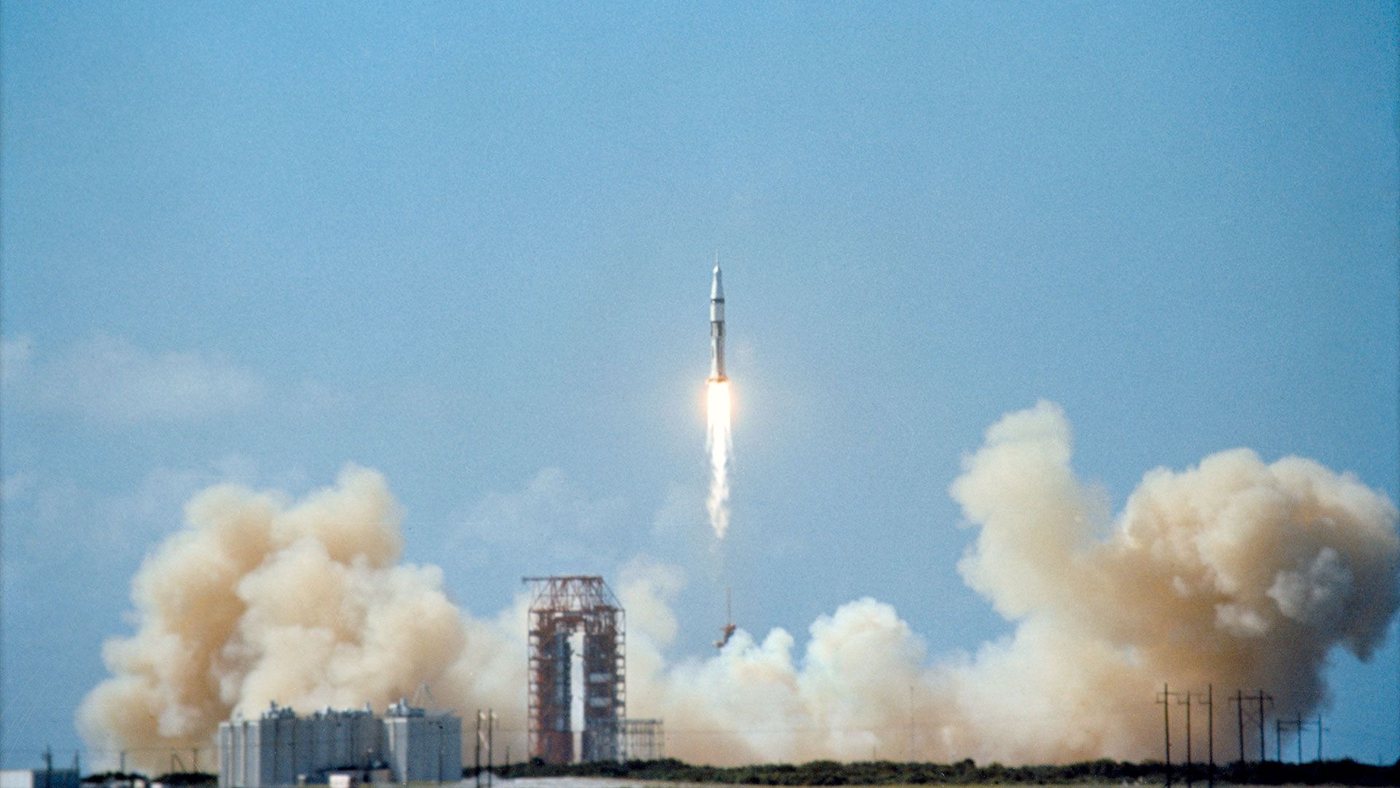
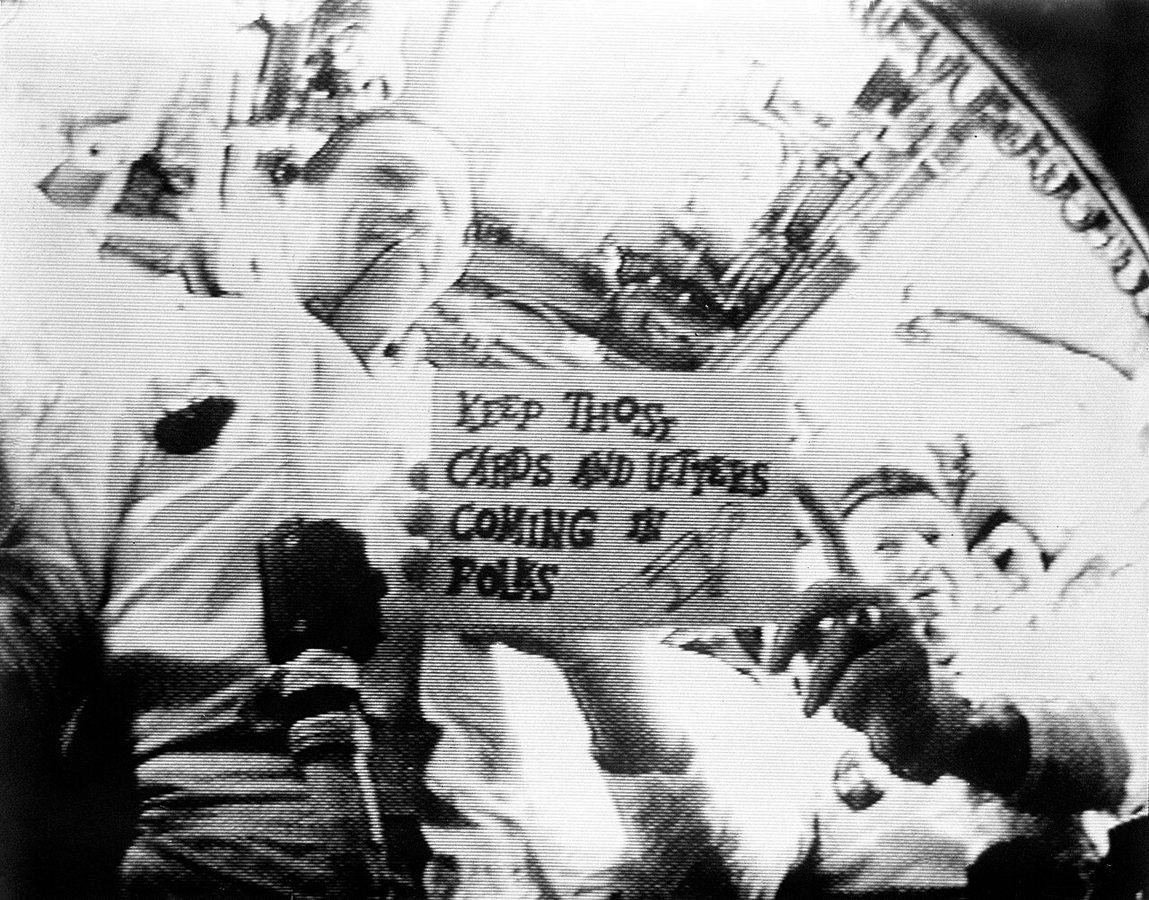
On October 11, 1968, NASA launched Apollo 7, the first crewed Apollo mission, into Earth orbit. The 11-day flight tested the spacecraft and restored confidence after the Apollo 1 fire, …
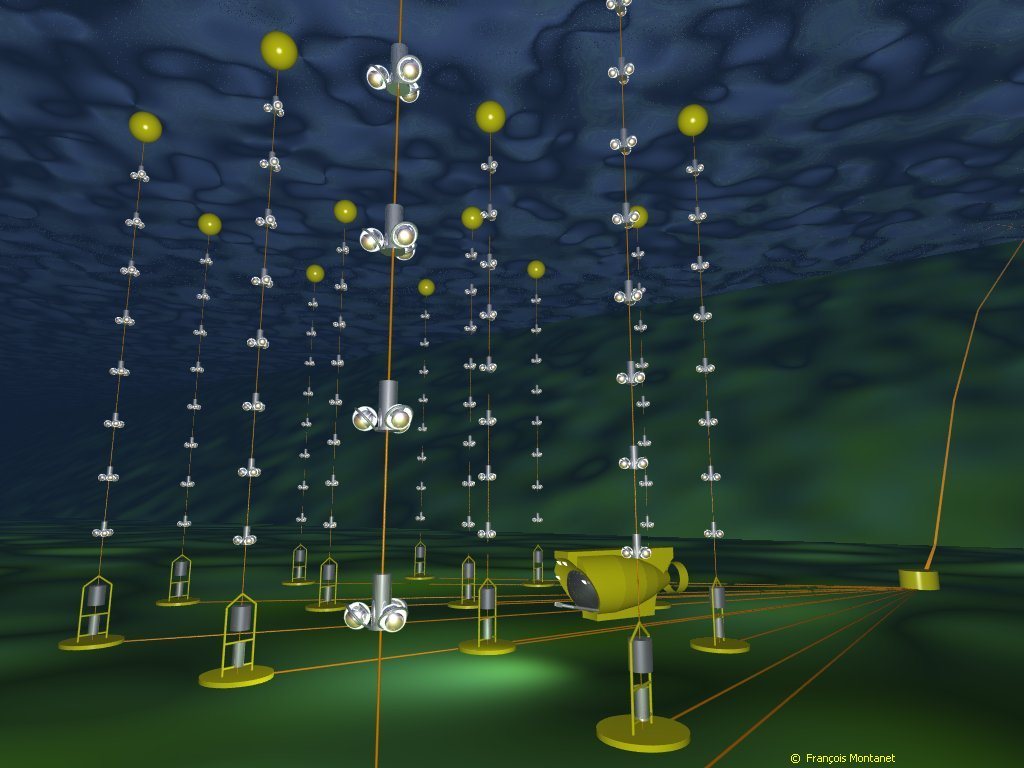
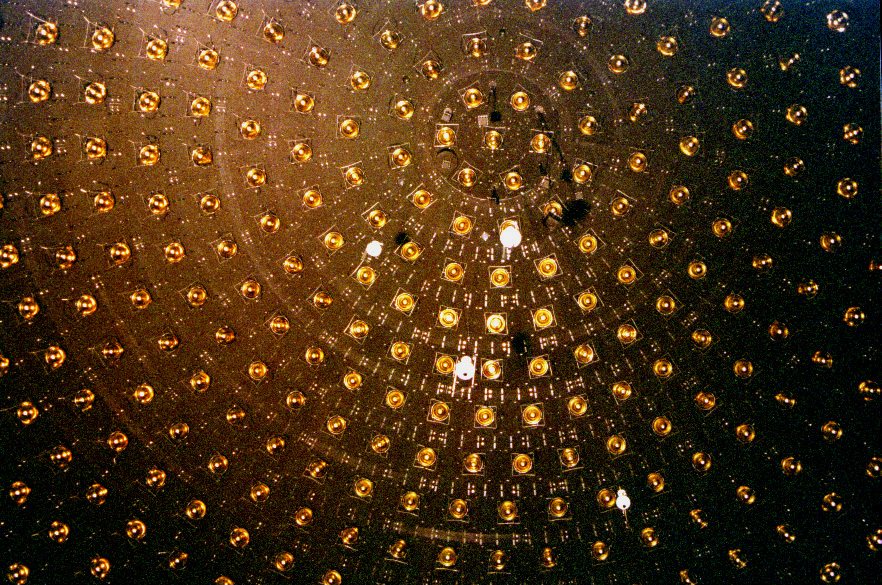
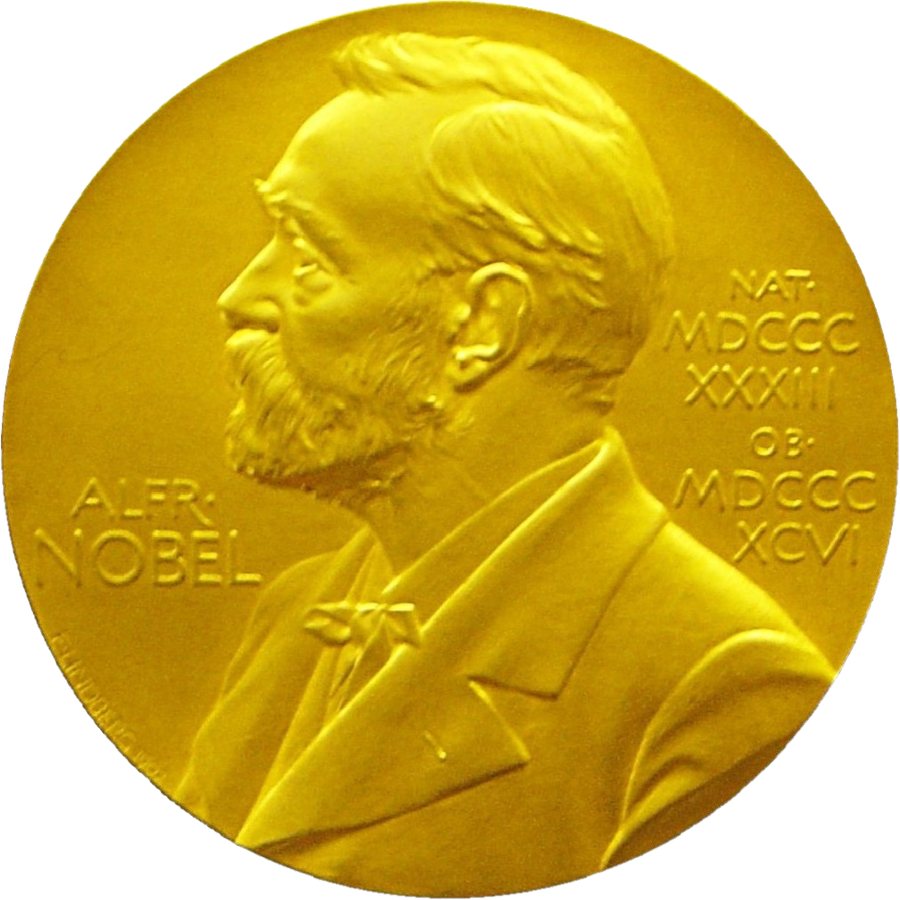
The 2026 Nobel Prize in Physics honors researchers who turned Antarctica's ice sheet into a detector for neutrinos, opening a new window on the universe.
MDA Space will use Jena-Optronik's ASTRO HP star sensor on a low Earth orbit mission, marking the first flight of the high-performance attitude sensor with the Canadian space company.
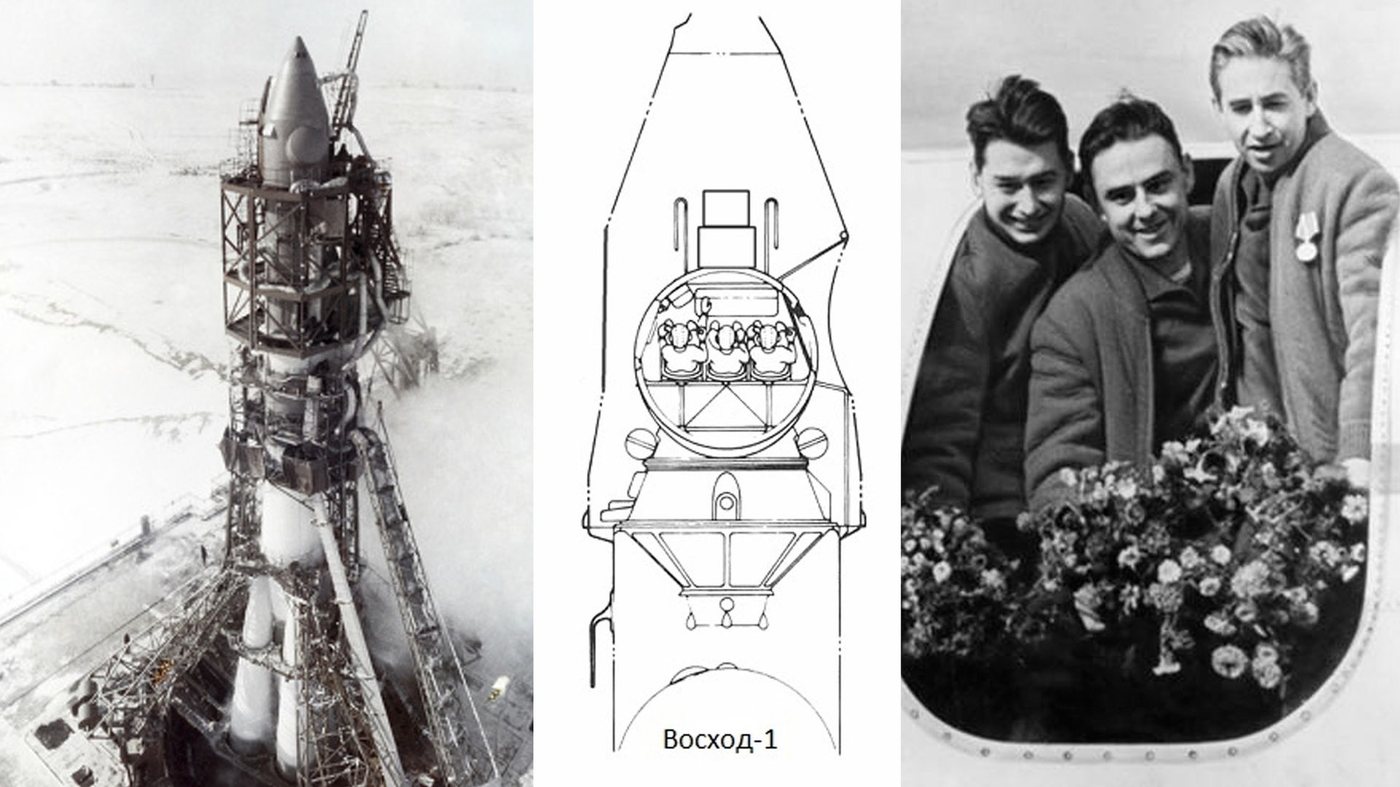
On October 12, 1964, the Soviet Union launched Voskhod 1, carrying three cosmonauts into orbit. It was the first spaceflight with more than one crew member and a milestone in …
SpaceX's CRS-35 cargo mission is set to launch Oct. 13 from Cape Canaveral, carrying the last set of iROSA solar arrays, science experiments, and supplies to the International Space Station.
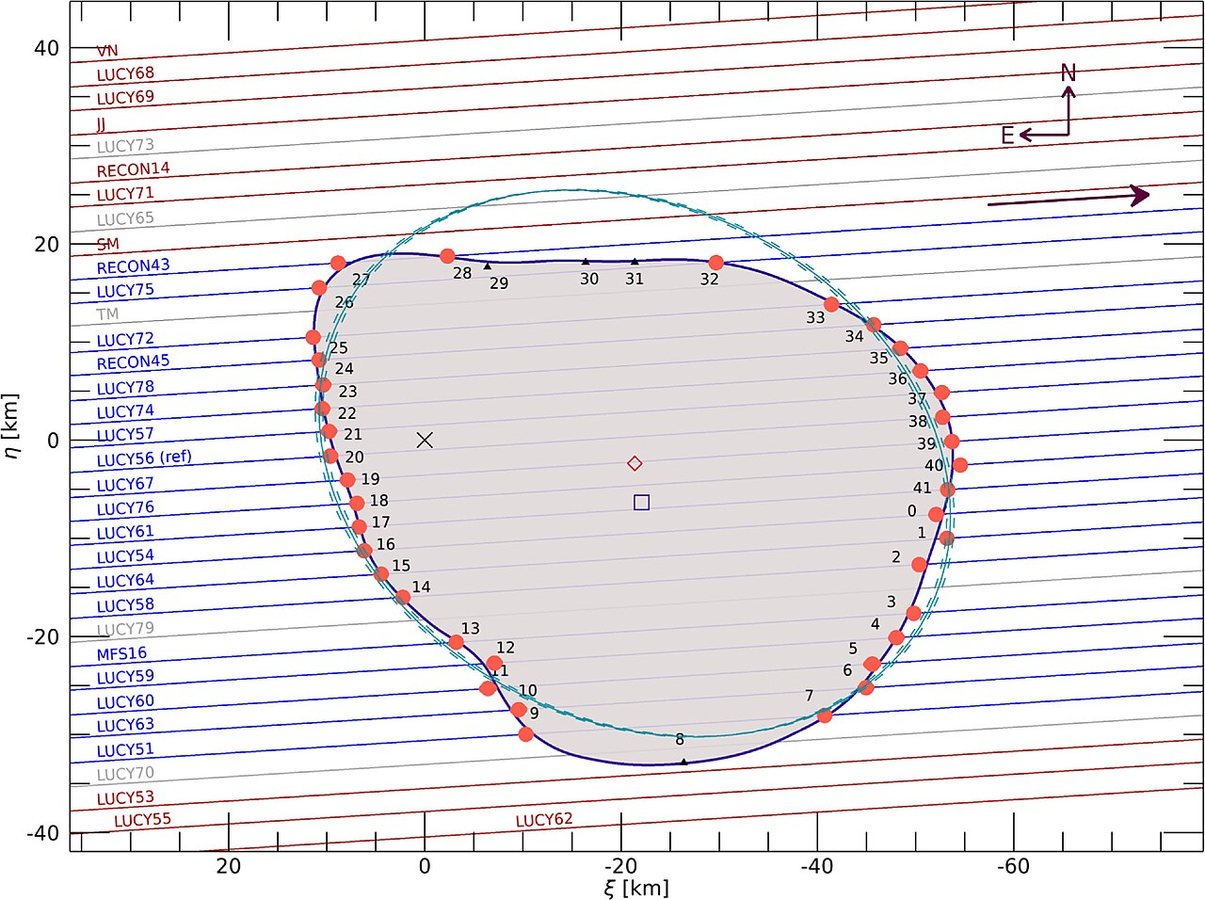
The United Arab Emirates is developing a seven-asteroid mission that will deploy a lander in 2028, with a focus on the unusual red asteroid 269 Justitia.
Buried deep in Antarctica's ice, a detector the size of a cubic kilometer captures neutrinos from distant cosmic sources, opening a new window on the universe and earning a share …
On October 11, 1968, NASA launched Apollo 7, the first crewed mission of the Apollo program, restoring confidence after the Apollo 1 fire and setting the stage for the Moon …
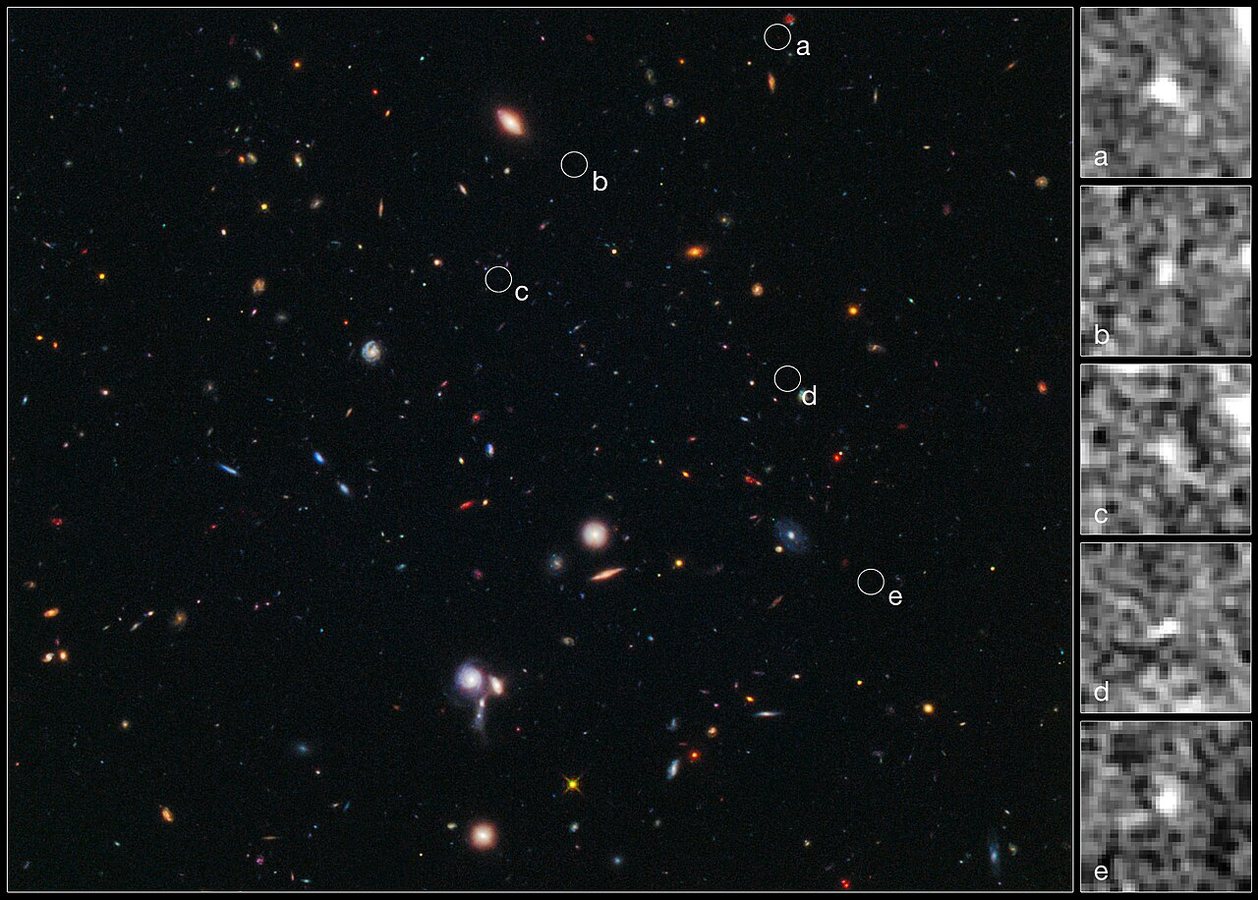
A University of California, Berkeley undergraduate has discovered three isolated quiescent dwarf galaxies that may have been stripped of star-forming gas during a past passage near Messier 101, offering rare …
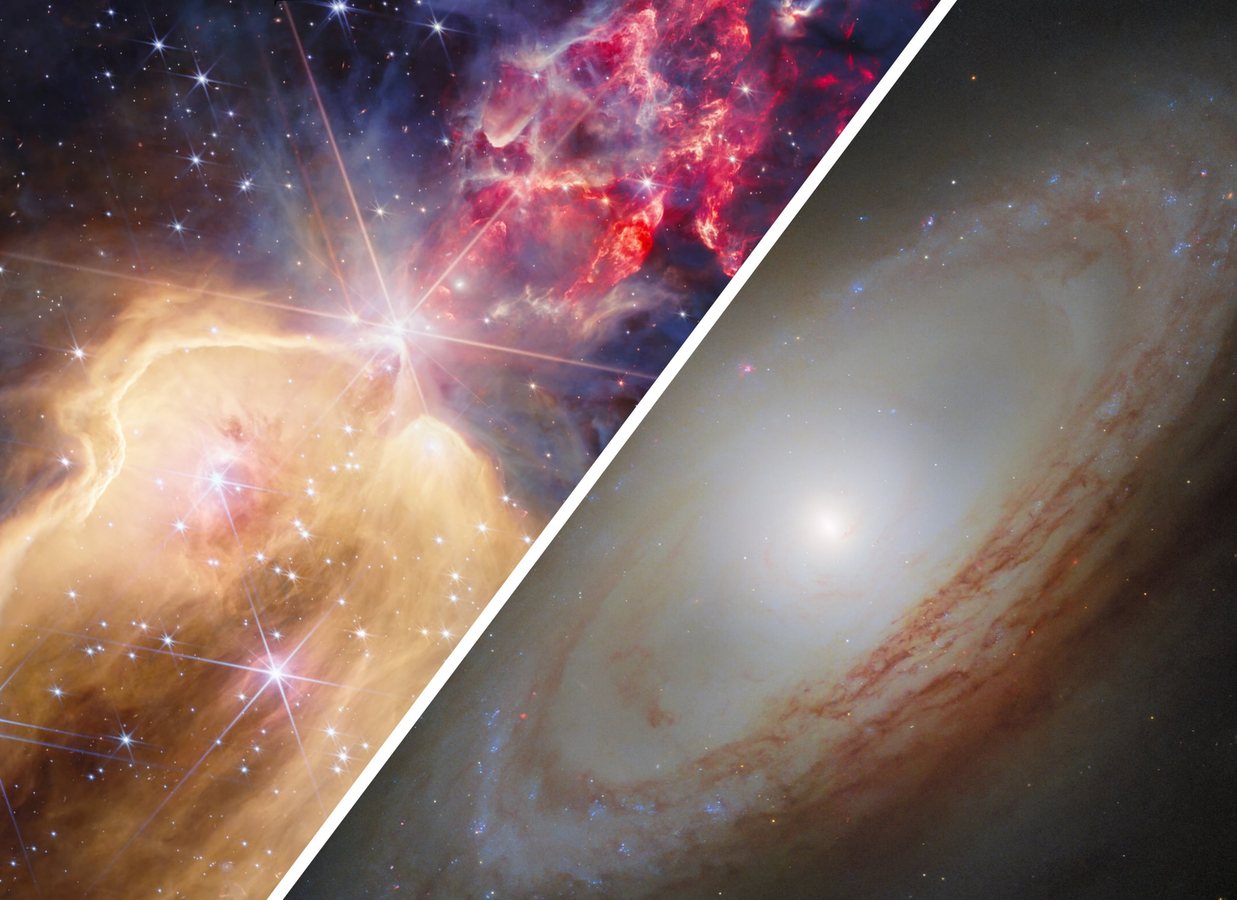
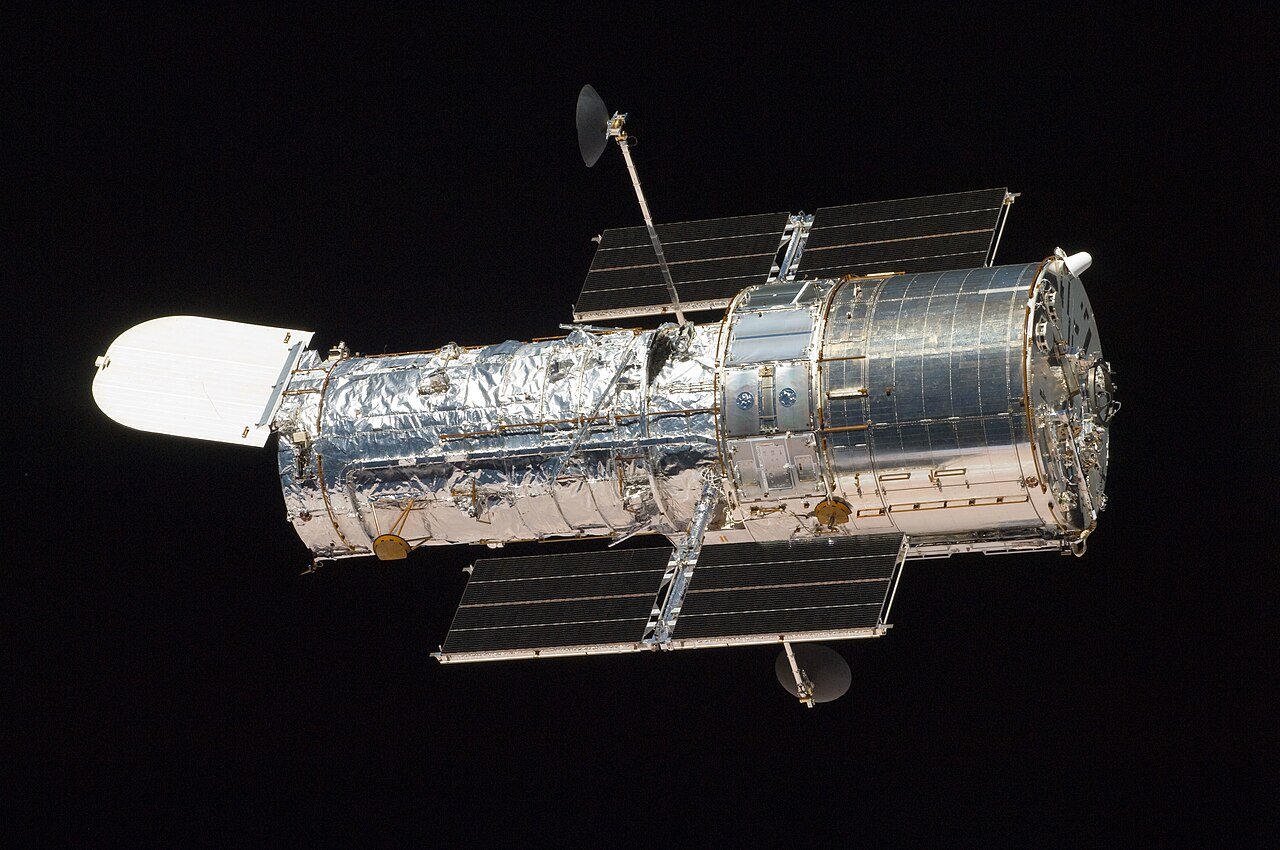
New images from the James Webb Space Telescope and the Hubble Space Telescope reveal a star-forming region 3,300 light-years away, a spiral galaxy whose central bulge rotates perpendicular to its …
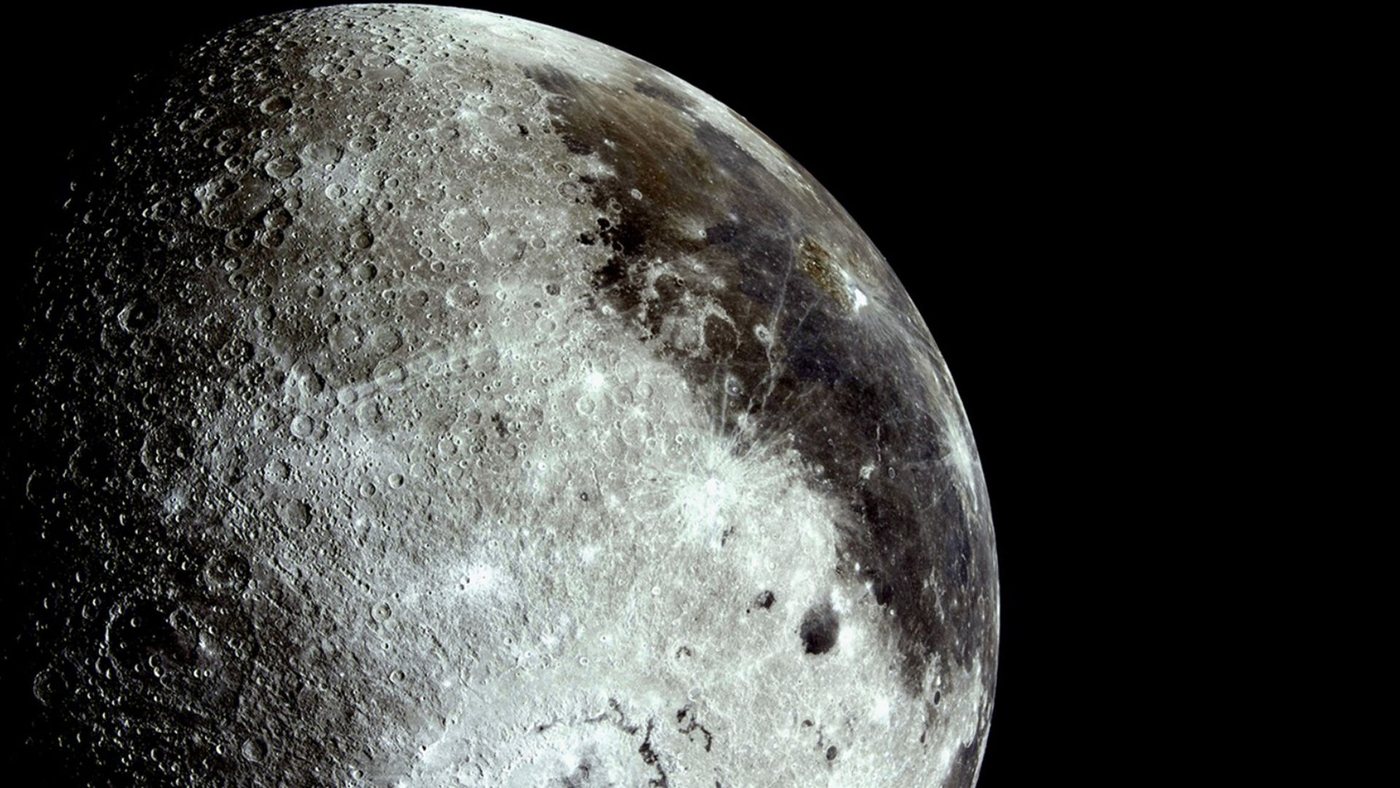
A newly released NASA report describes surprising color phenomena observed from the Artemis II mission, including swamp-like hues on the lunar surface that scientists are still working to explain.
NASA's Jessica Meir and Jack Hathaway, France's Sophie Adenot and Russia's Andrey Fedyaev splashed down in the Pacific off Los Angeles after a mission that began with an unprecedented medical …
SpaceX's 35th commercial resupply mission will deliver the last pair of International Space Station Roll-Out Solar Arrays, completing a power system upgrade needed for the station's eventual safe deorbit, along …
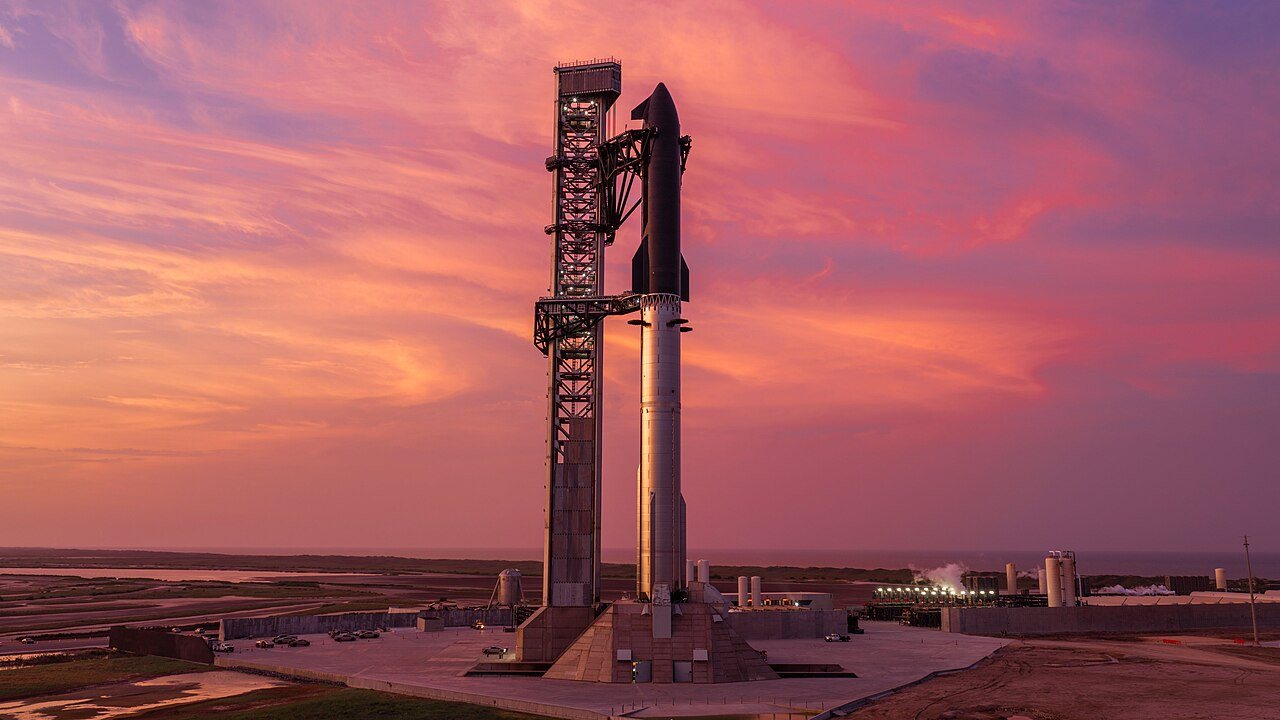
Amateur footage from bystanders and tourists provided crucial tracking data after a SpaceX Starship test flight ended in an explosion, offering a new model for public participation in space safety …
SpaceX launched a Falcon 9 rocket carrying 21 satellites for the US military, marking another mission for the company's reusable launch system and expanding the Pentagon's space capabilities.
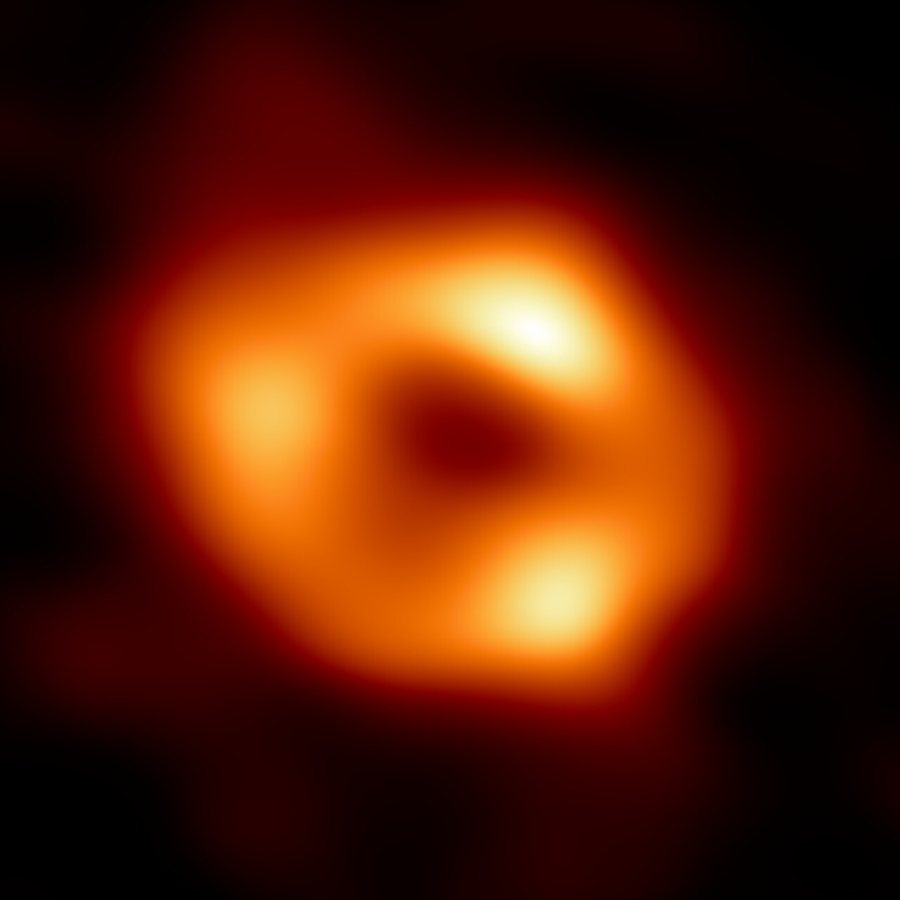
A new quiz highlights the search for a star whose motion could let astronomers measure the spin of the Milky Way's supermassive black hole, Sagittarius A*.
Astronomers report an unusual niobium signature around the white dwarf HS 0209+0832, suggesting a gas giant may have assembled from material expelled by the dying star, with TESS data pointing …
Francis Halzen of the University of Wisconsin receives the 2026 Nobel Prize in Physics for his decisive contributions to the IceCube Neutrino Observatory and the discovery of high-energy astrophysical neutrinos.