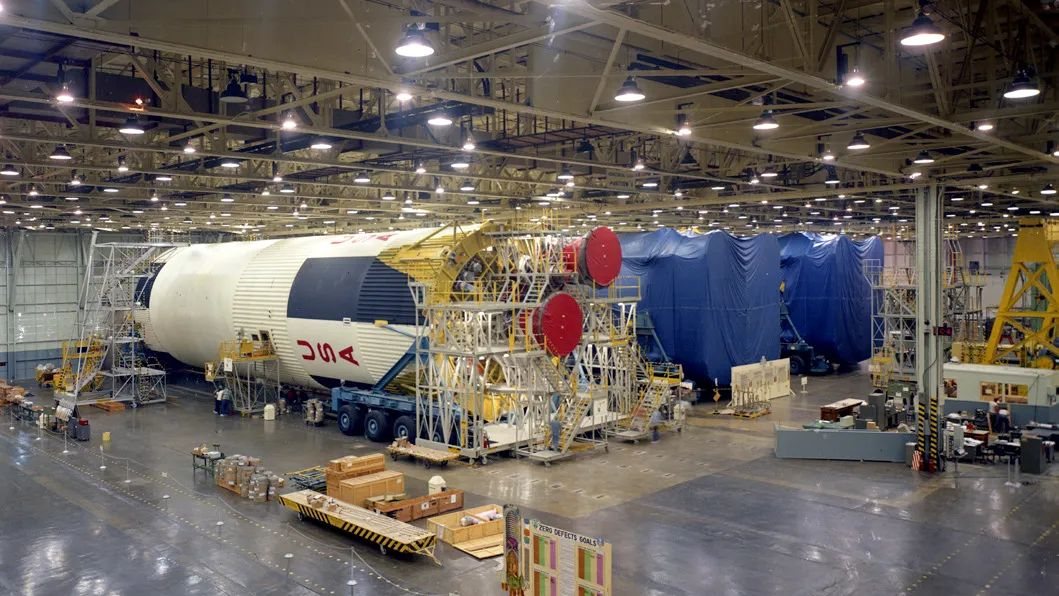
NASA ended Saturn V moon rocket production on Aug. 1, 1968
NASA ended production of the Saturn V moon rocket on Aug. 1, 1968. The decision limited the number of Apollo lunar missions and shaped the close of the Moon program.
Discipline
News, research analysis and evidence-based explanation. 20 stories in this section.
NASA ended production of the Saturn V moon rocket on Aug. 1, 1968. The decision limited the number of Apollo lunar missions and shaped the close of the Moon program.
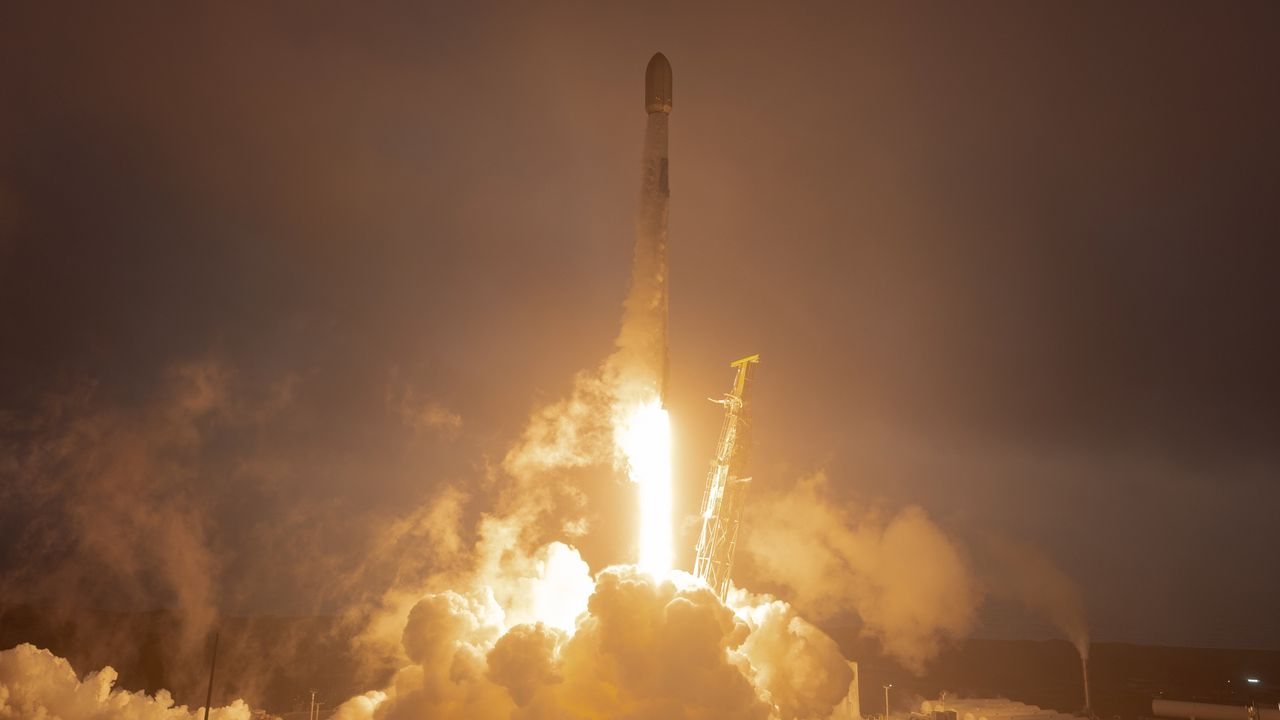
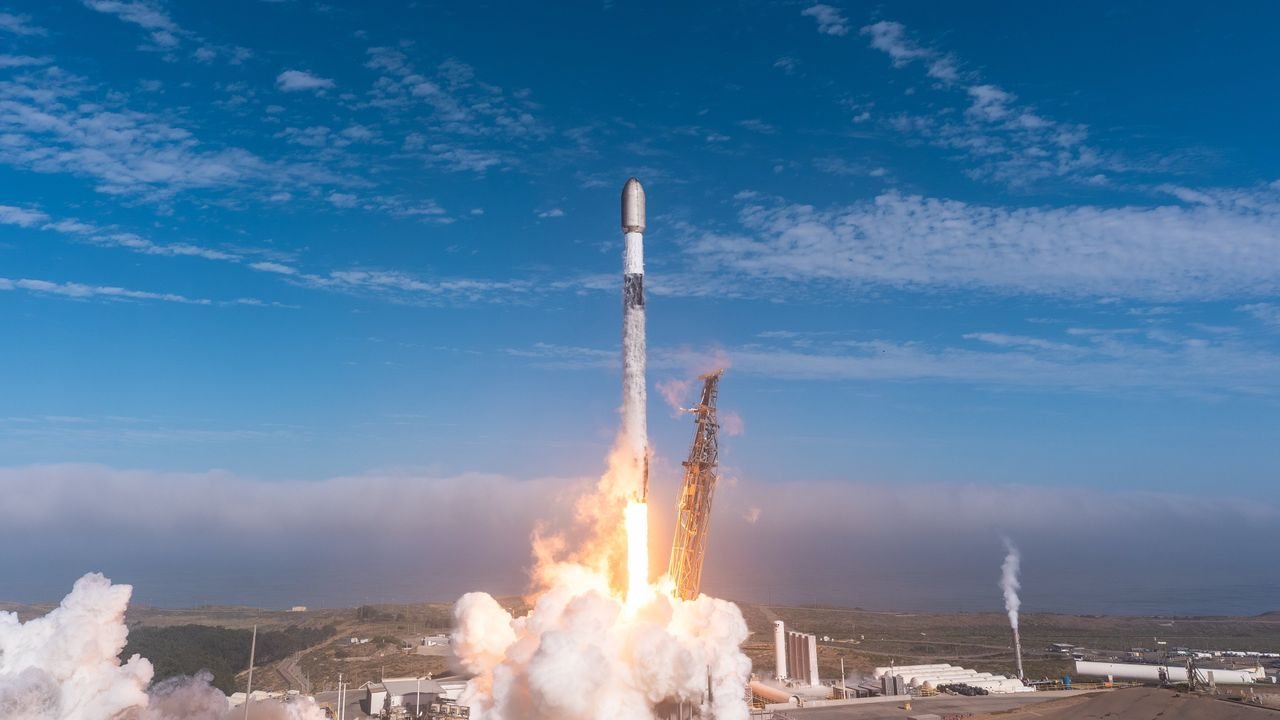
SpaceX launched 24 Starlink satellites on a Falcon 9 rocket from Vandenberg Space Force Base in California, with the booster recovering on a droneship in the Pacific.
Former NASA Administrator Jim Bridenstine discusses his move to Quantum Space and a strategic shift toward satellite proliferation in low Earth orbit.
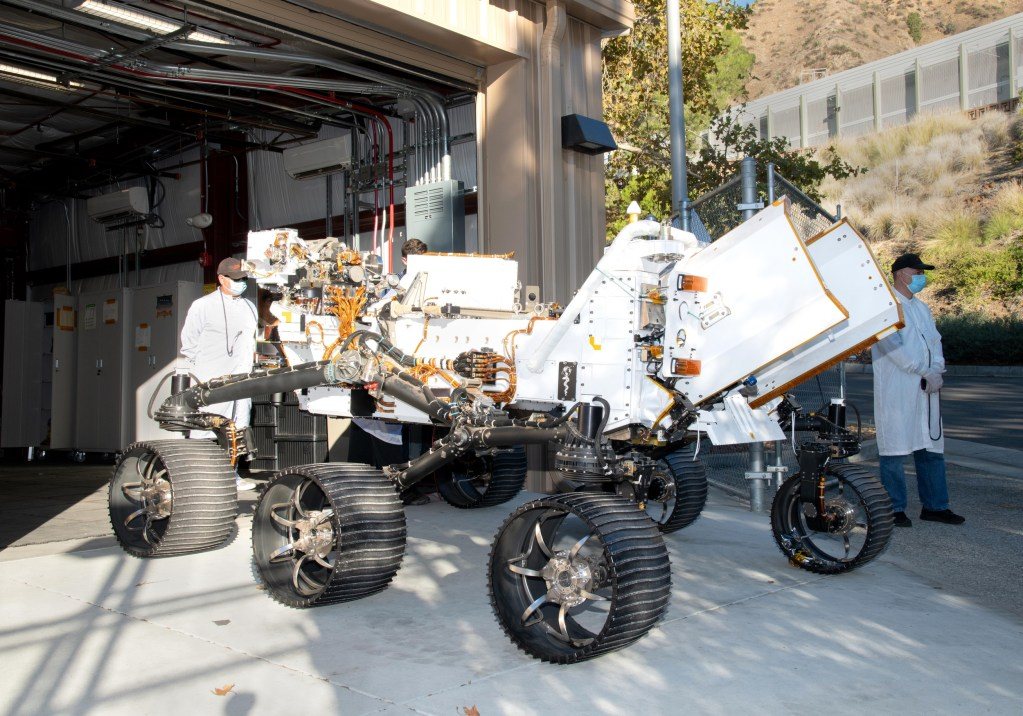
NASA's administrator has rejected an estimate that converting a Mars rover engineering model into a lunar rover would cost more than $1 billion.
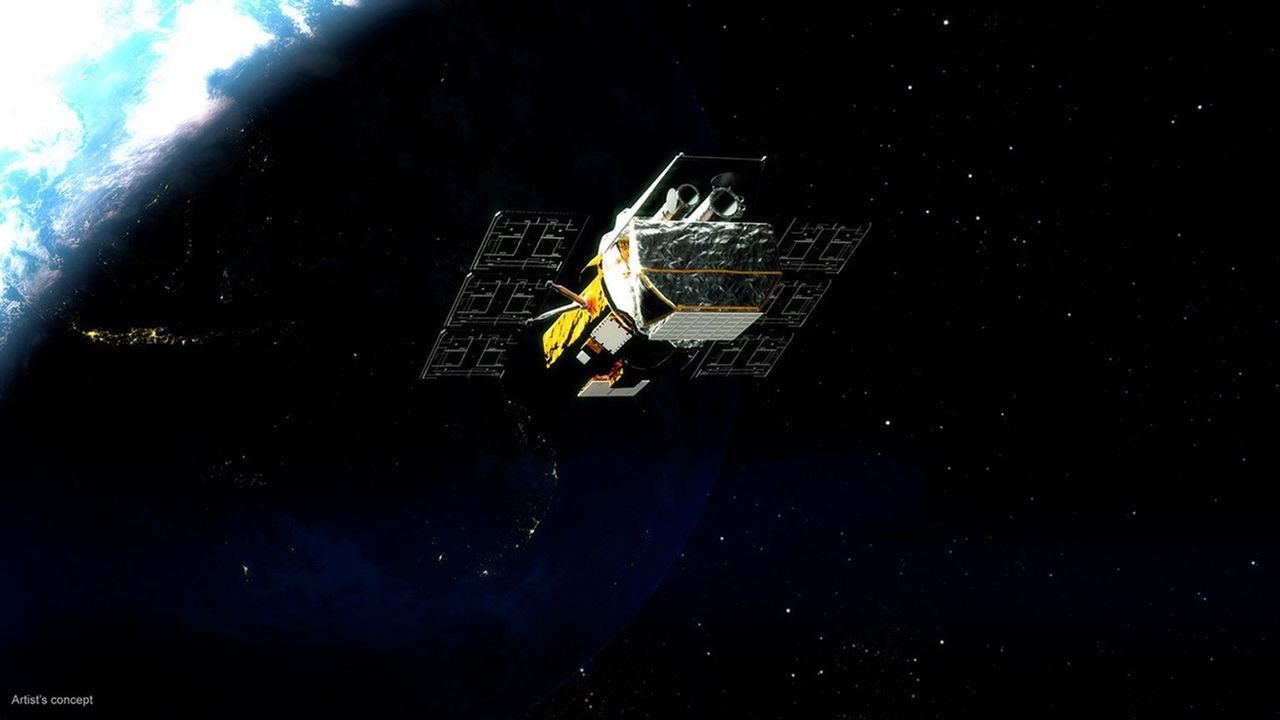
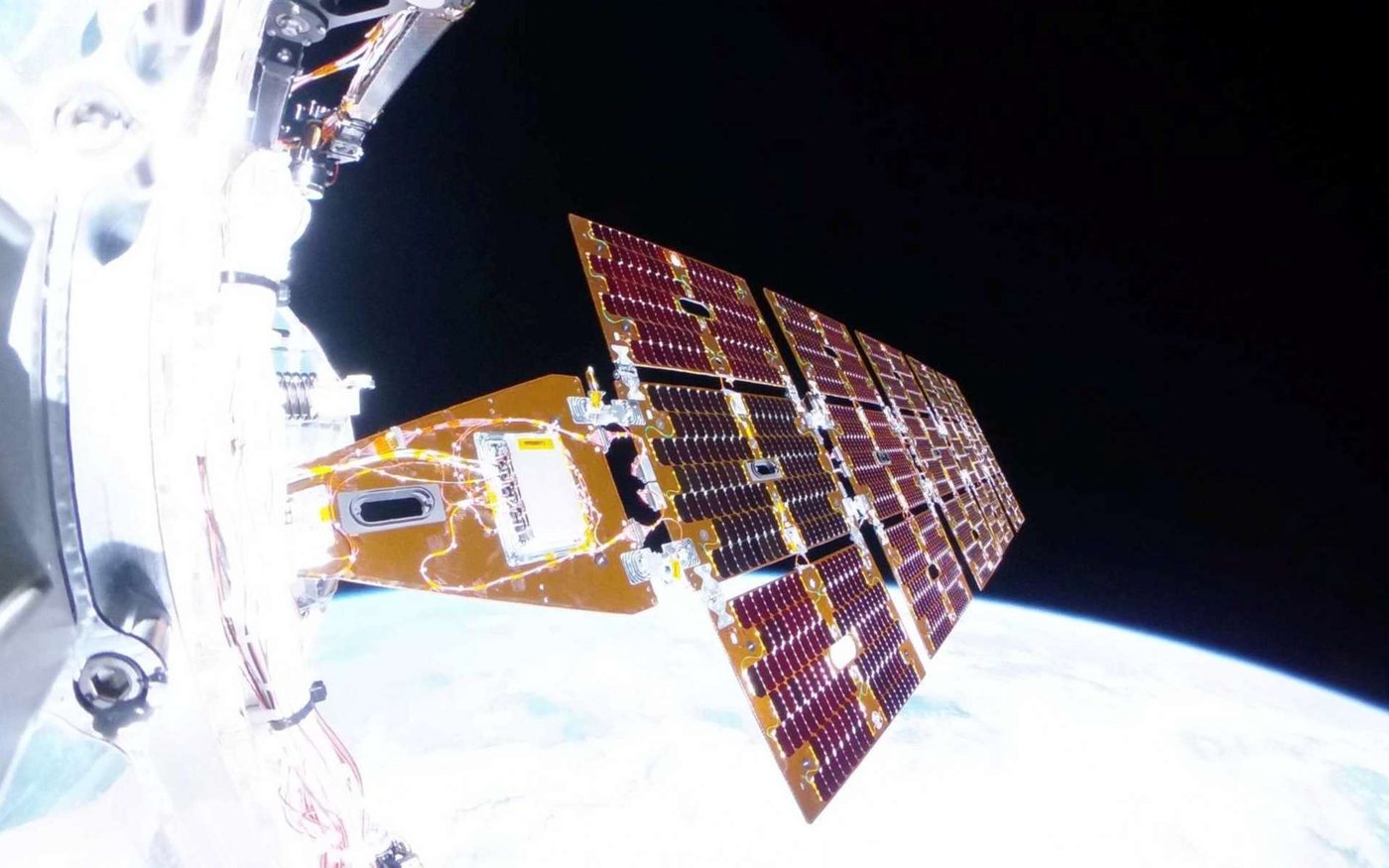
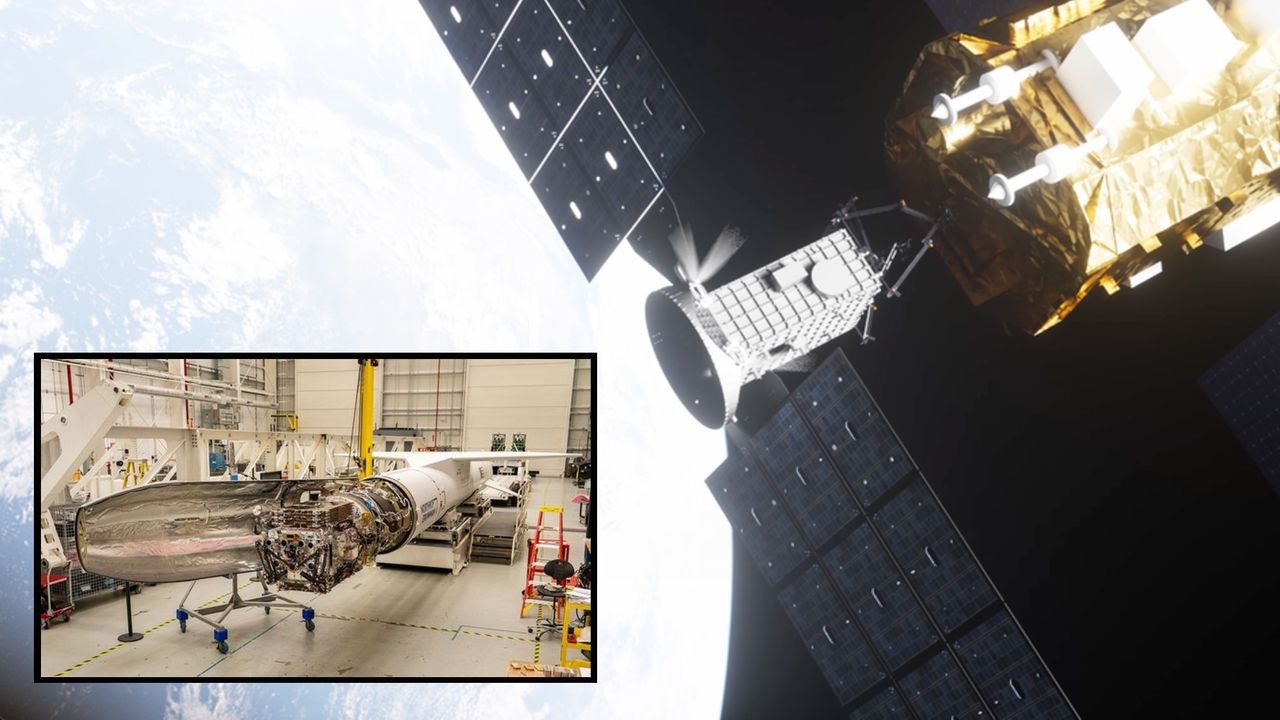
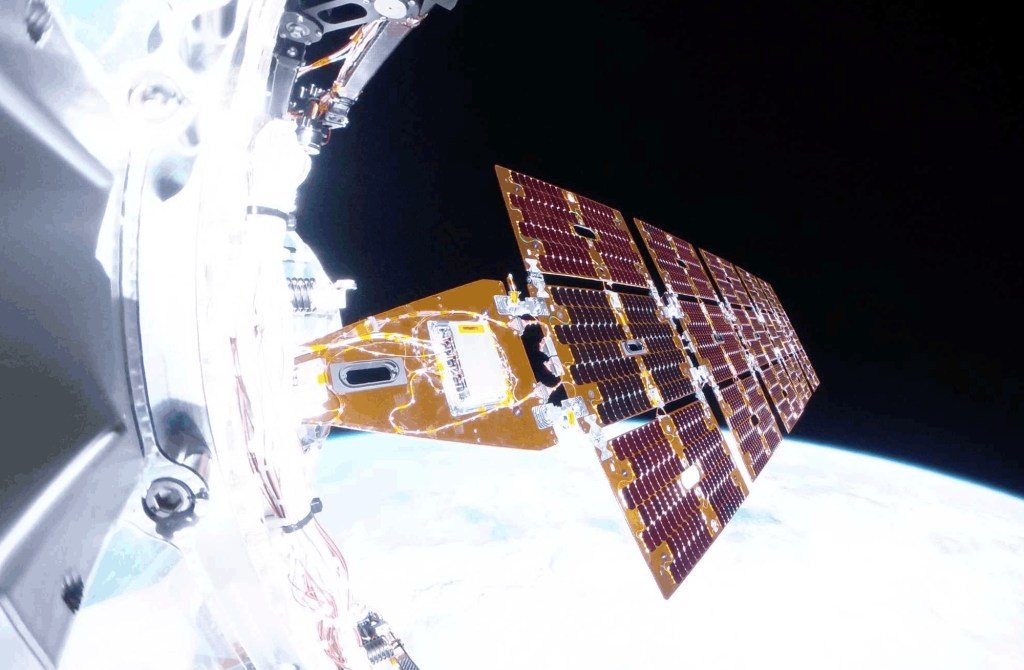
A commercial spacecraft sent to service NASA's Swift observatory has started tumbling in orbit, and engineers are racing to stabilize it before the rescue plan is in jeopardy. The mission …
Astronomers have detected a supermassive black hole tearing apart a star in the outer region of a galaxy about 750 million light-years from Earth. The event, cataloged as TDE 2025abcr, …
The San Diego Padres, riding a five-game winning streak, meet the San Francisco Giants as left-hander Robbie Ray appears set to make his final start before the MLB trade deadline.
A NASA robotic spacecraft designed to capture and reboost the aging Swift space telescope has suffered technical failures, becoming uncontrollable shortly after launch.
The 46th COSPAR Scientific Assembly begins August 1, 2026, in Florence, Italy, bringing together over 3,000 scientists from 80 nations for nine days of space research discussions, including planetary exploration, …
A team led by the Italian National Institute for Astrophysics has discovered the most distant ultra-fast outflow ever observed, originating from a quasar nearly 12 billion light-years away. The finding, …
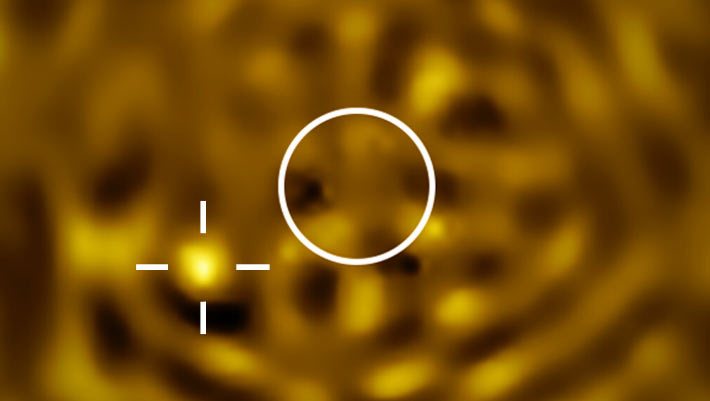
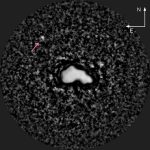
For the first time, astronomers have directly imaged the faint companion star orbiting the red supergiant Betelgeuse, ending a century of speculation.
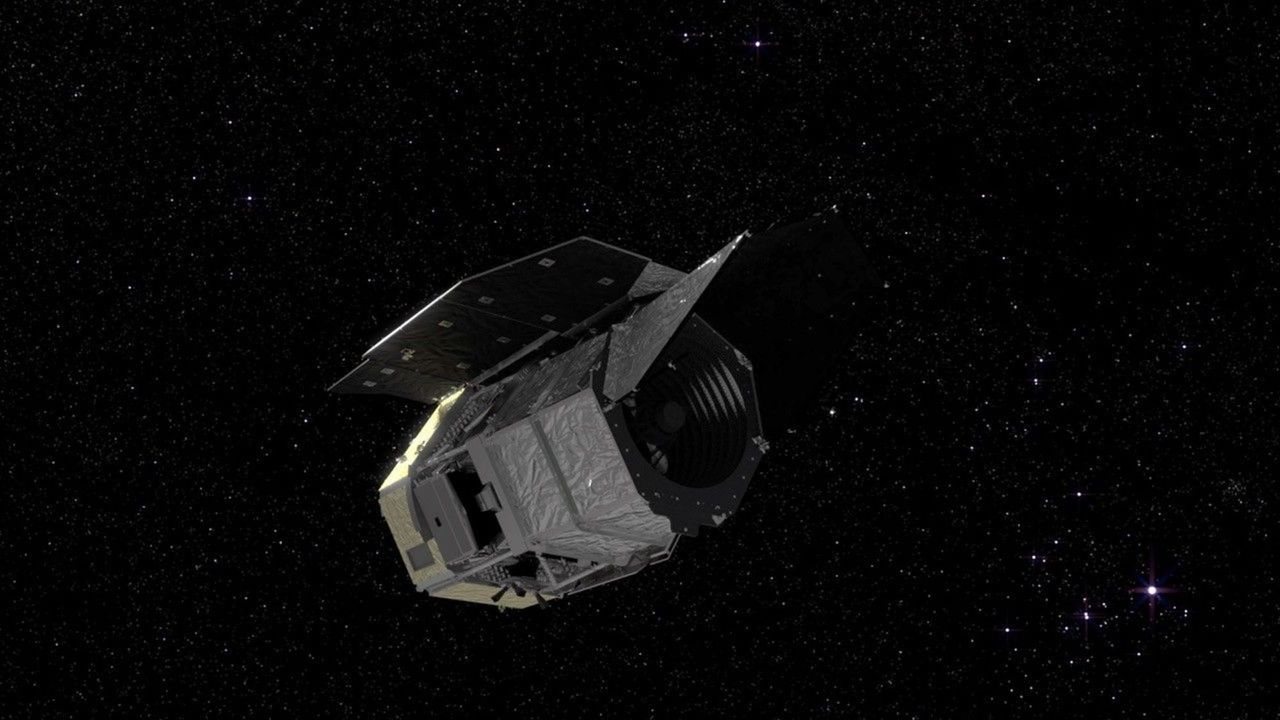
The Nancy Grace Roman Space Telescope, NASA's next flagship observatory, is ready for launch on August 30, promising unprecedented capabilities in dark energy research and exoplanet discovery.
Using adaptive optics on the Large Binocular Telescope and the Very Large Telescope, an international team has discovered that the asteroid (44) Nysa has a rare three-lobed shape and is …
A NASA spacecraft launched to refuel and repair a government satellite in orbit has developed a propulsion anomaly, forcing the agency to halt its primary mission and focus on saving …
A new analysis of archival data from NASA's Spirit rover has uncovered evidence of iron-bearing minerals that suggest Mars once had far more water than scientists realized, challenging previous assumptions …
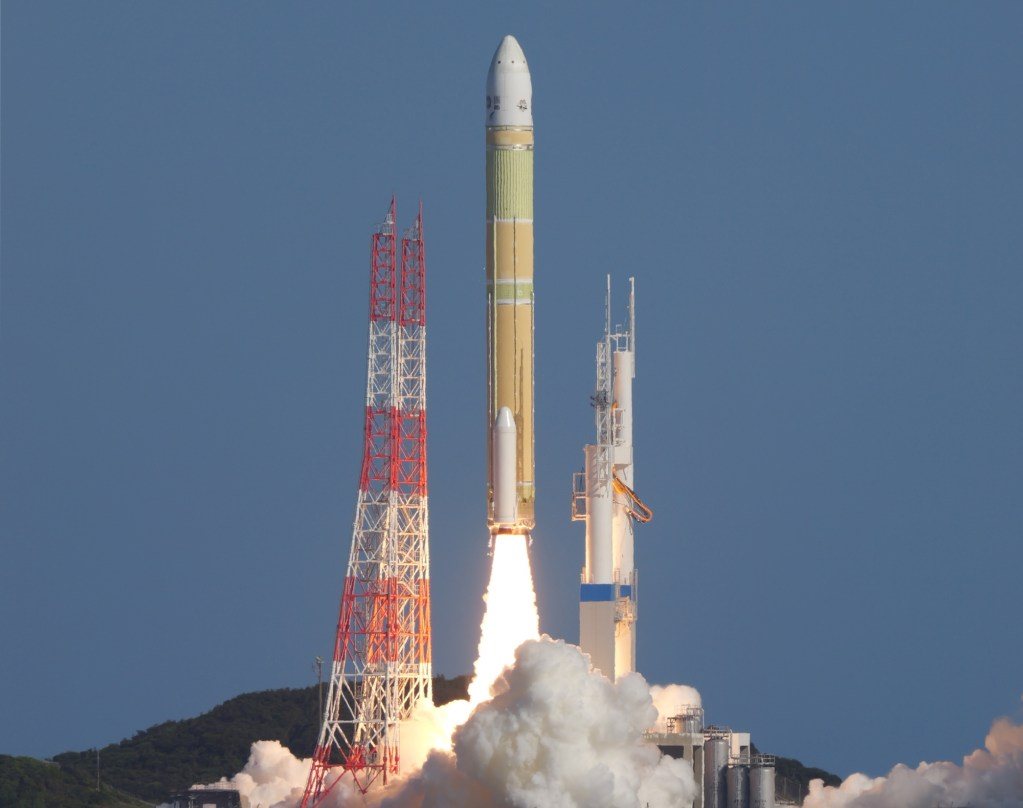
Japanese company ispace has chosen Mitsubishi Heavy Industries' H3 rocket to launch its next lunar lander mission in 2028, marking what the companies describe as Japan's first private lunar transportation …
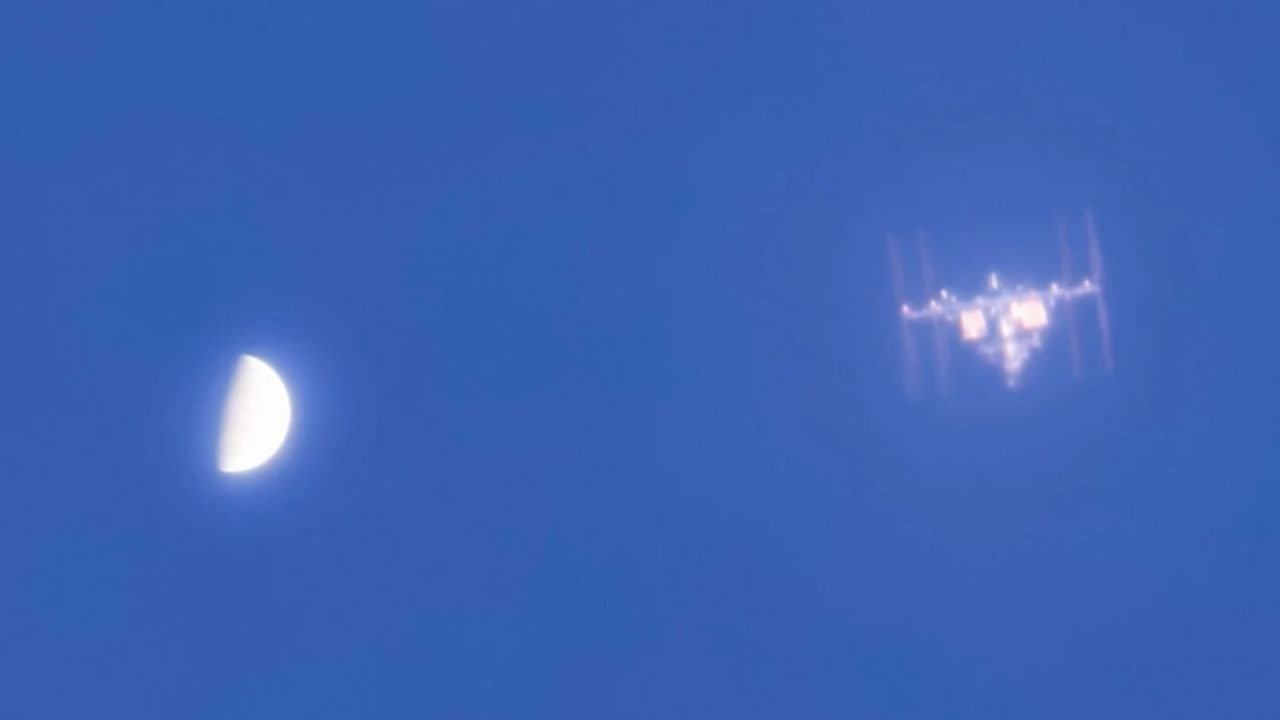
A remarkable daylight photograph shows the International Space Station streaking across the sky alongside Venus, offering a rare and striking view of two brilliant objects in broad daylight.
SpaceX successfully launched 24 Starlink satellites from California, continuing the rapid expansion of its broadband constellation just hours after the latest Starship test flight. The Falcon 9 rocket lifted off …
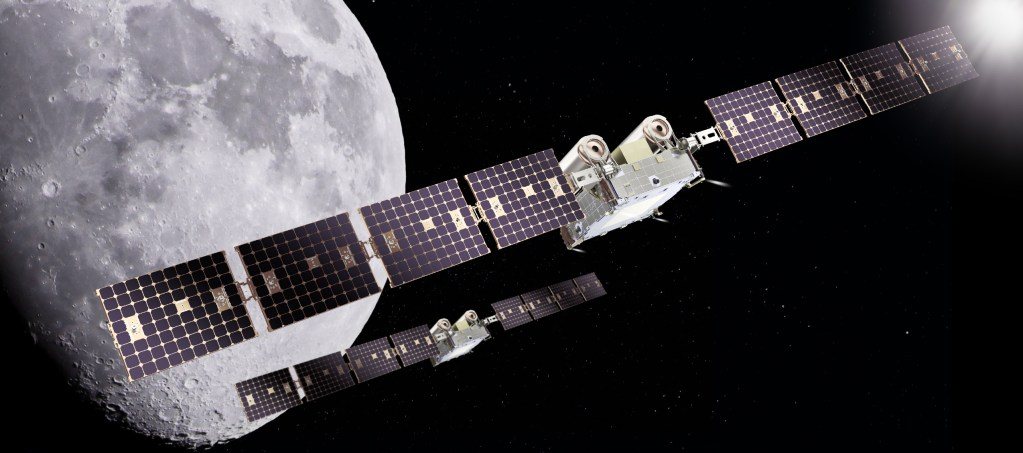
NASA has selected Advanced Space to develop a successor to the CAPSTONE cubesat mission, which will test rendezvous and proximity operations in cislunar space, advancing capabilities for the Artemis program …
A spacecraft launched nearly a month ago to boost the orbit of NASA's Swift astrophysics satellite is experiencing attitude control issues that could threaten the mission's success.