01
7 min read
Musk’s engineering record is strongest where hardware meets reality
SpaceX, Tesla and Neuralink look very different when judged by operational maturity rather than launch presentations and predicted dates.

Discipline
News, research analysis and evidence-based explanation. 20 stories in this section.
SpaceX, Tesla and Neuralink look very different when judged by operational maturity rather than launch presentations and predicted dates.
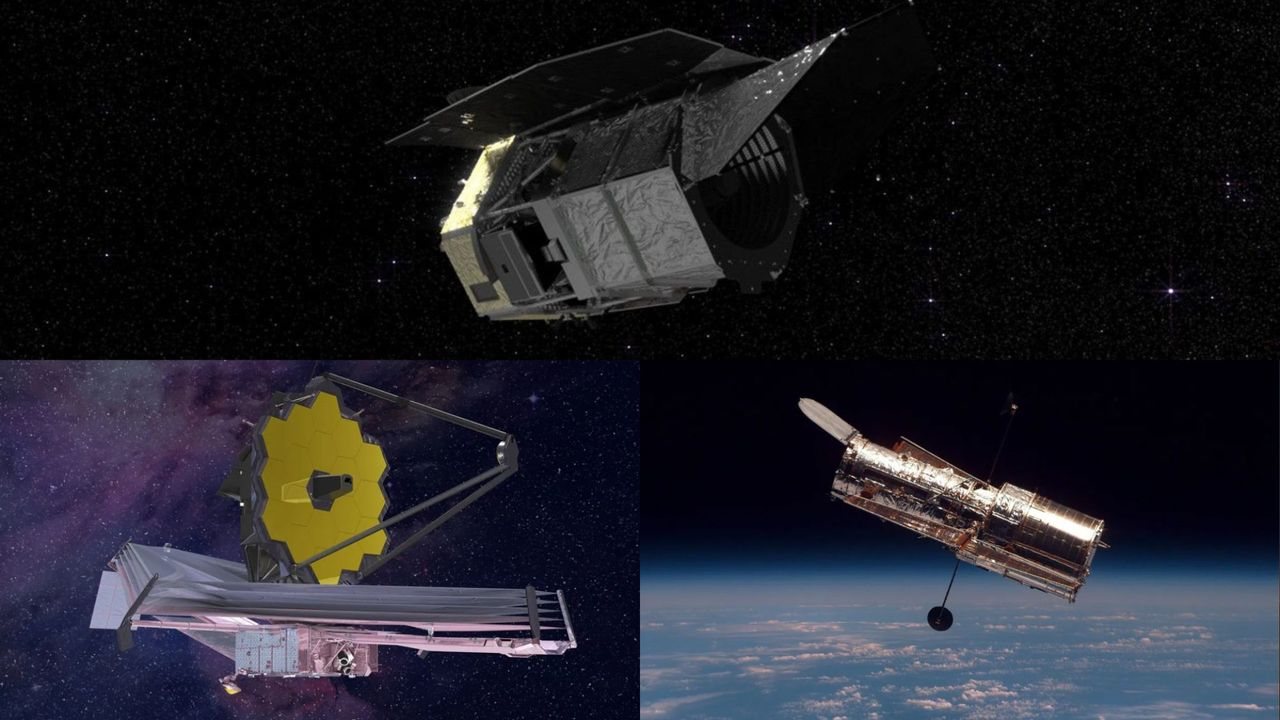
The Nancy Grace Roman Space Telescope, set to launch in August 2026, will use its wide field of view to study dark energy, dark matter, and exoplanets, complementing the more …
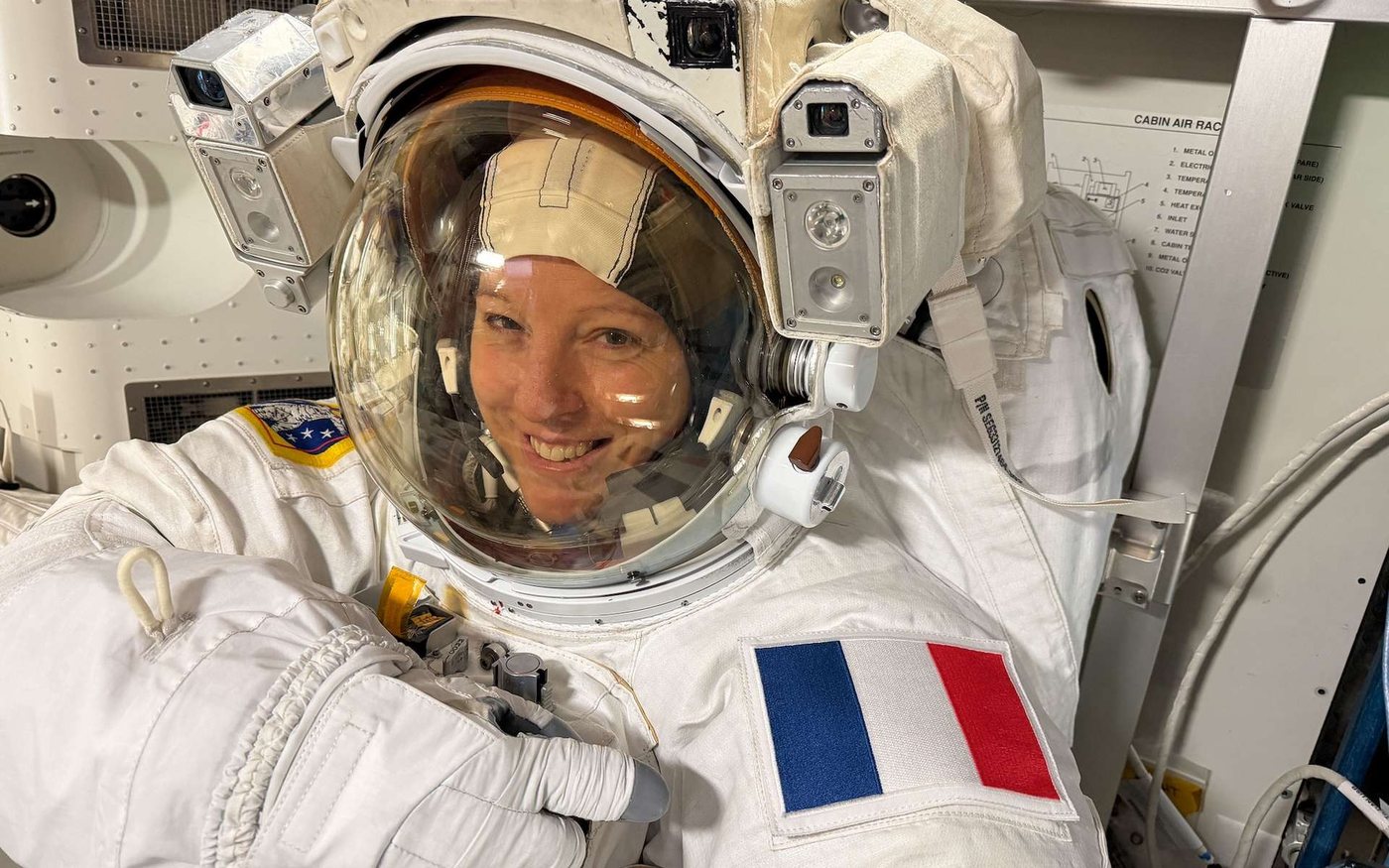
French astronaut Sophie Adenot will perform her second spacewalk to finish replacing a faulty antenna outside the International Space Station, a mission that remained incomplete after her first outing.
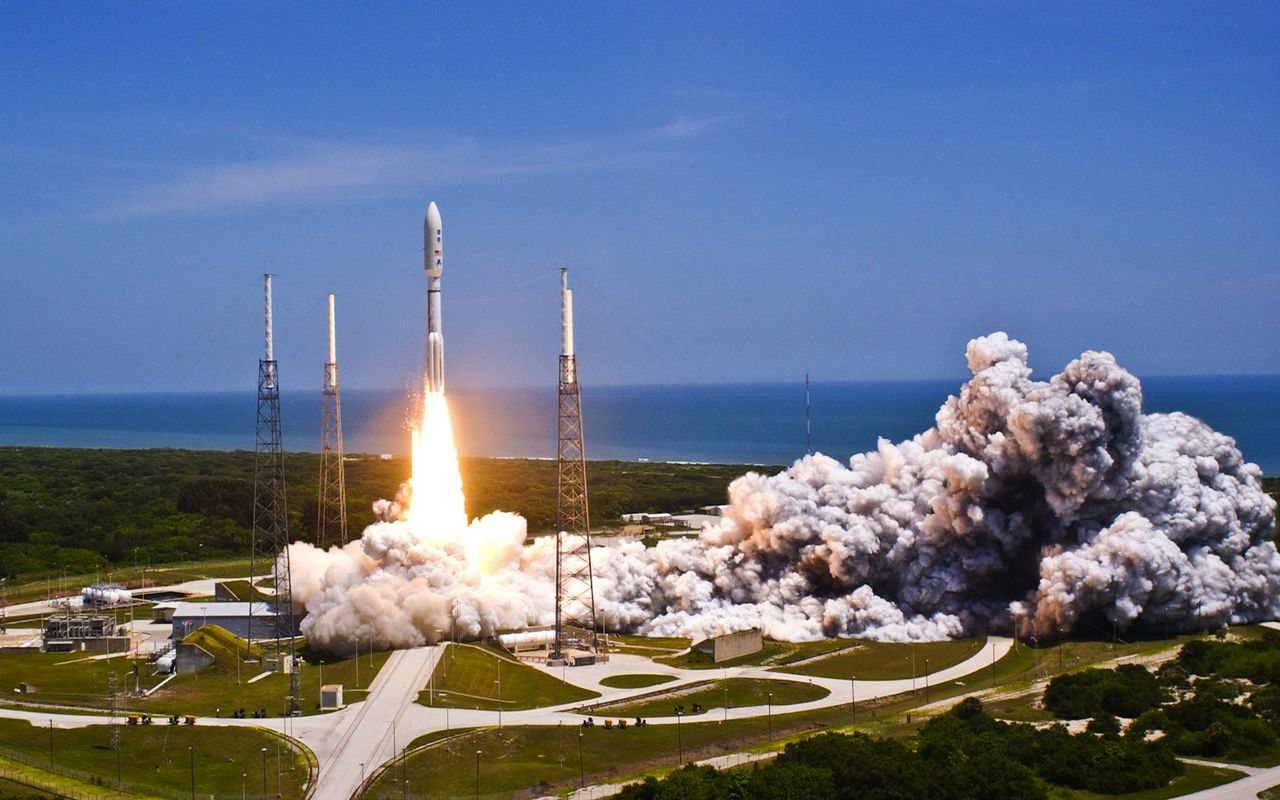
On Aug. 25, 1997, NASA launched the Advanced Composition Explorer (ACE) to study solar wind and cosmic particles, a mission that continues to provide crucial data for space weather forecasting …
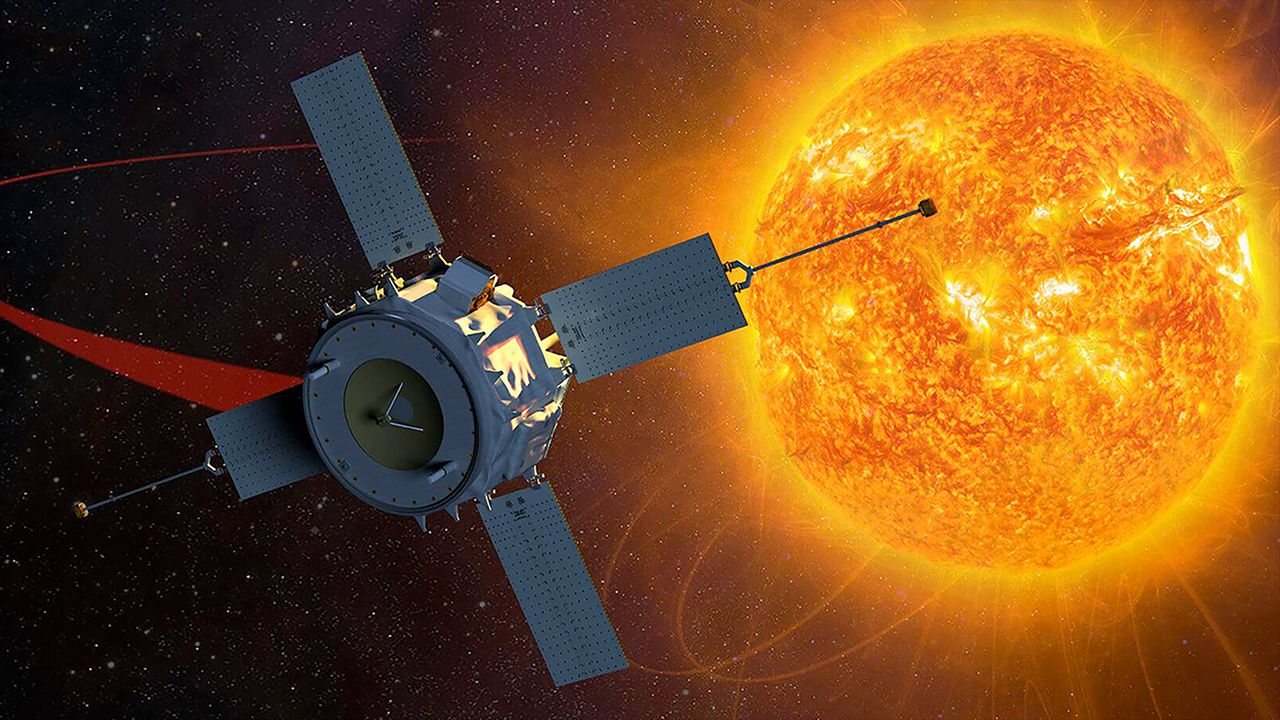
China's Chang'e 7 lunar mission, targeting the moon's south pole, has been delayed due to adverse weather conditions at the launch site. The mission is part of China's broader lunar …
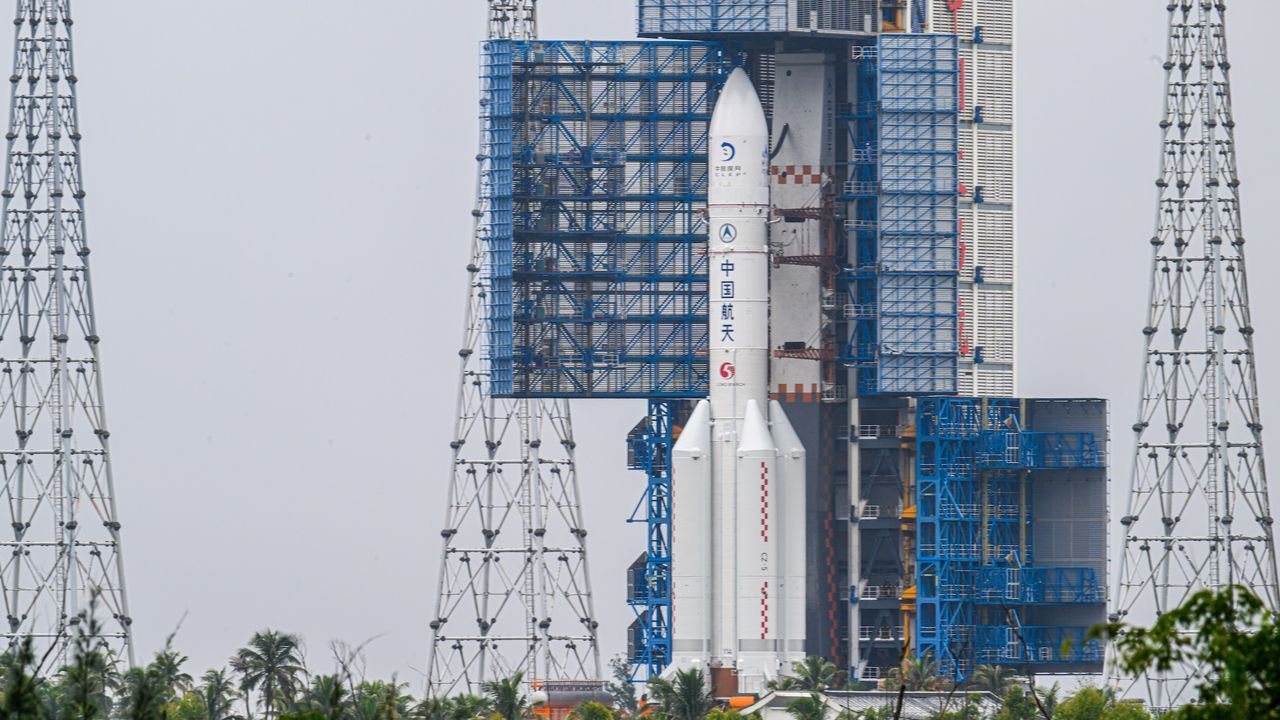
A coordinated observation campaign using 17 spacecraft has revealed that solar eruptions are more complex than previously thought, with surprising differences in how they expand and evolve through the solar …
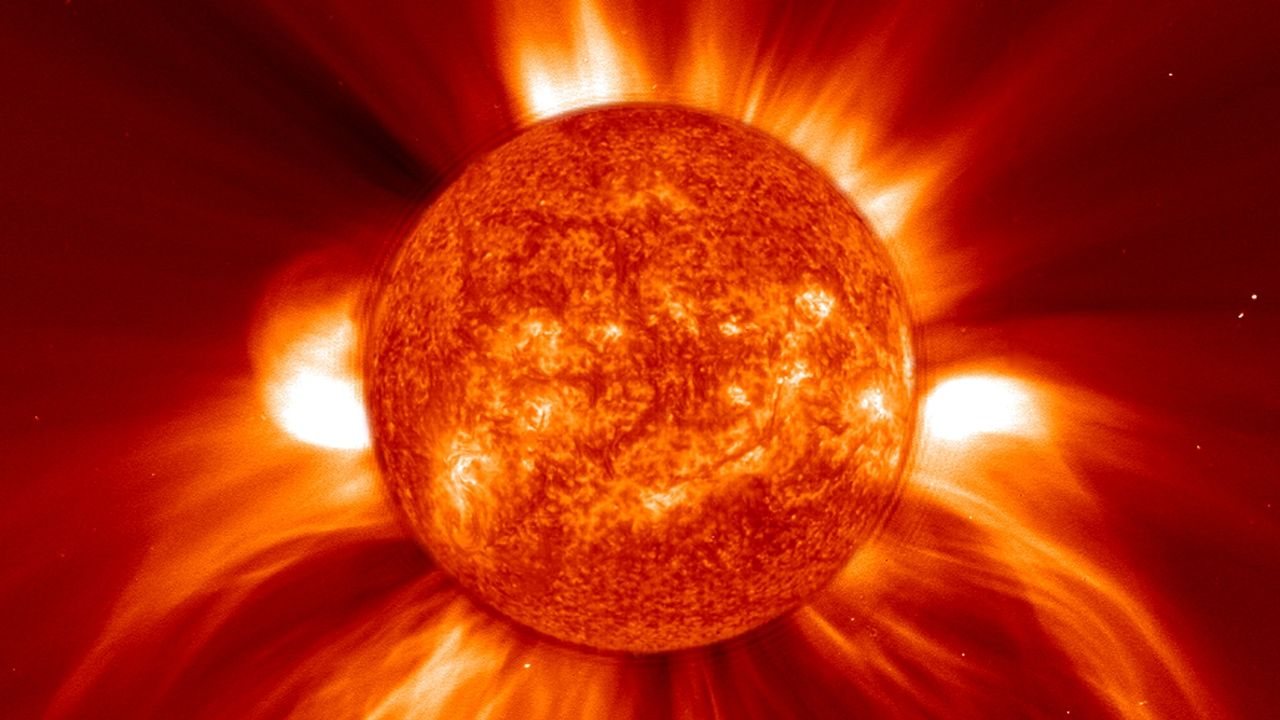
NASA has selected 18 futuristic spaceflight ideas for initial funding under its NIAC program, including a proposal to send 10,000 tiny 'femtosats' to Saturn and other visionary concepts like a …
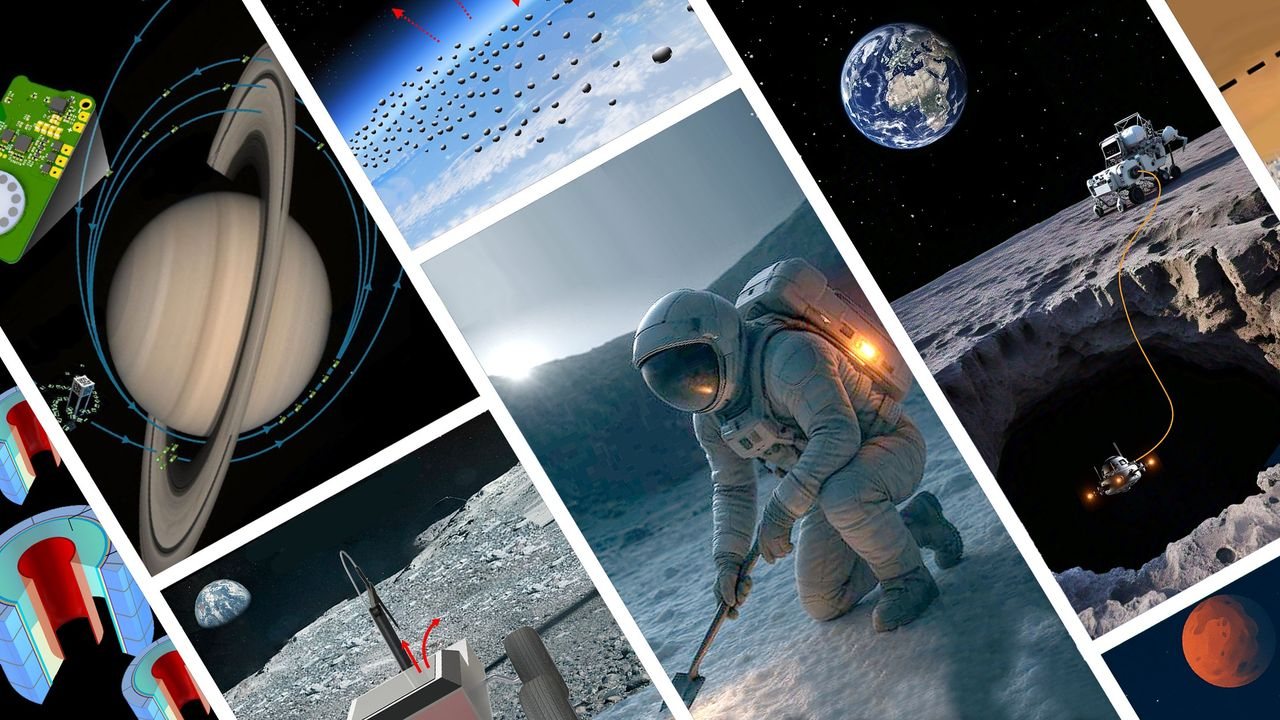
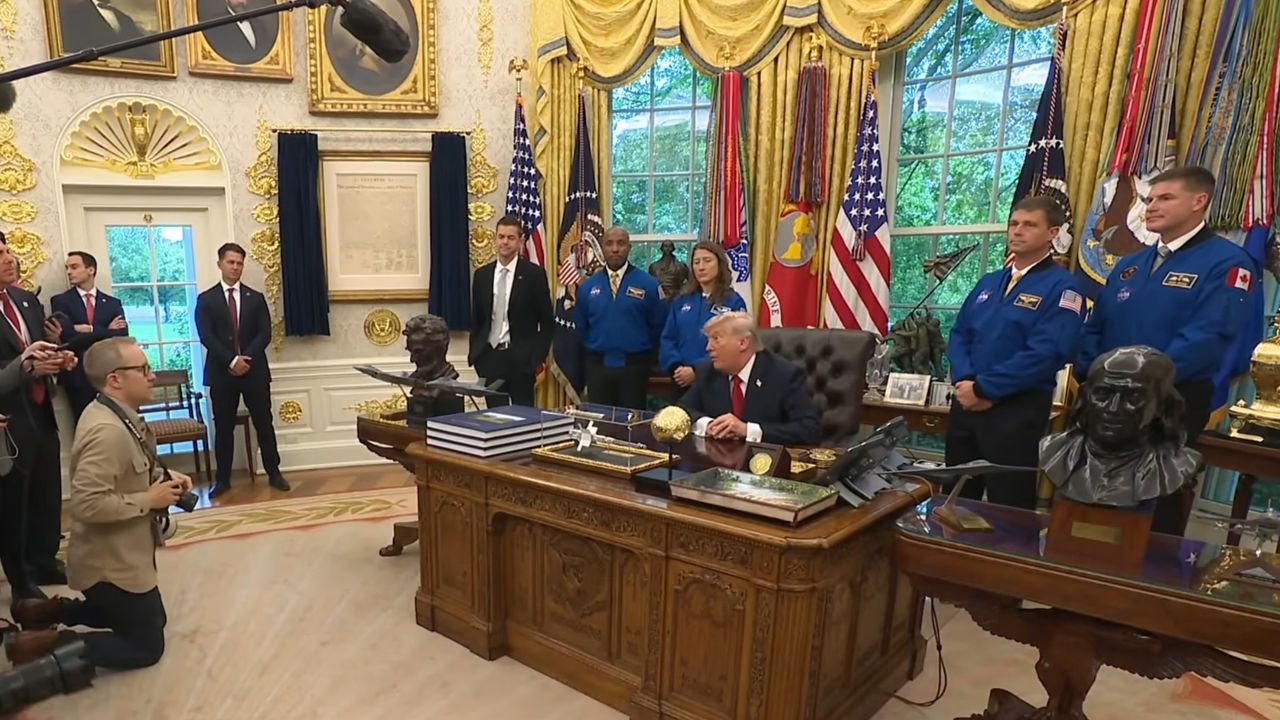
NASA announced that the four Artemis II astronauts will receive the Congressional Space Medal of Honor on August 28 for their record-breaking lunar flyby mission.
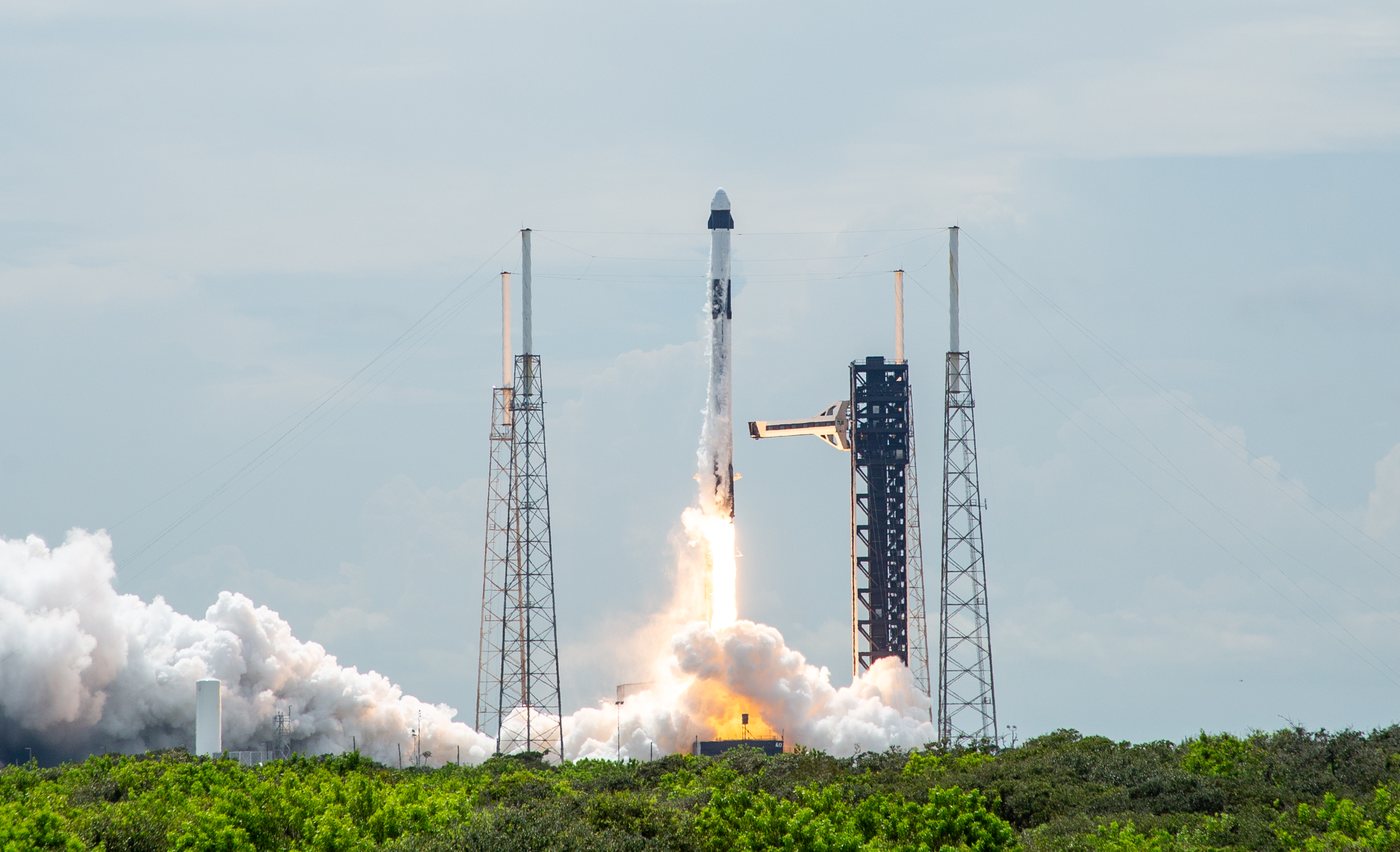
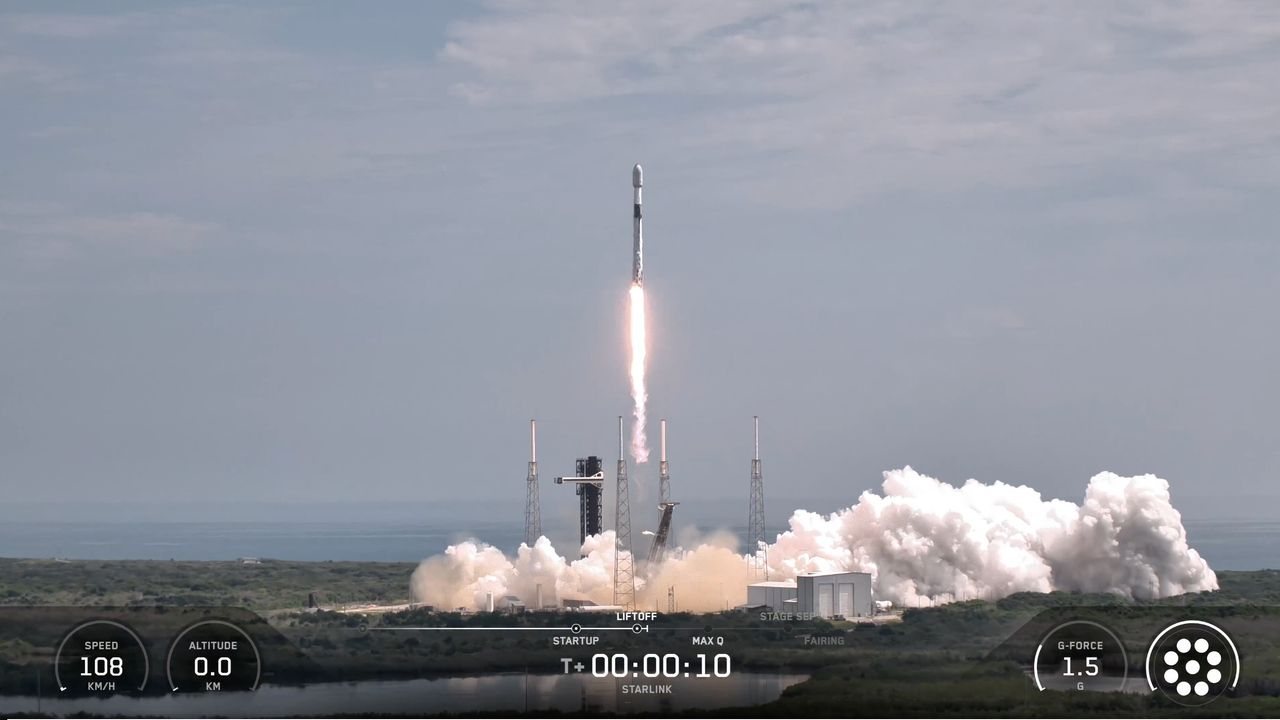
SpaceX successfully launched 29 Starlink satellites aboard a Falcon 9 rocket and landed the booster on a droneship at sea, marking another step in expanding its broadband constellation.
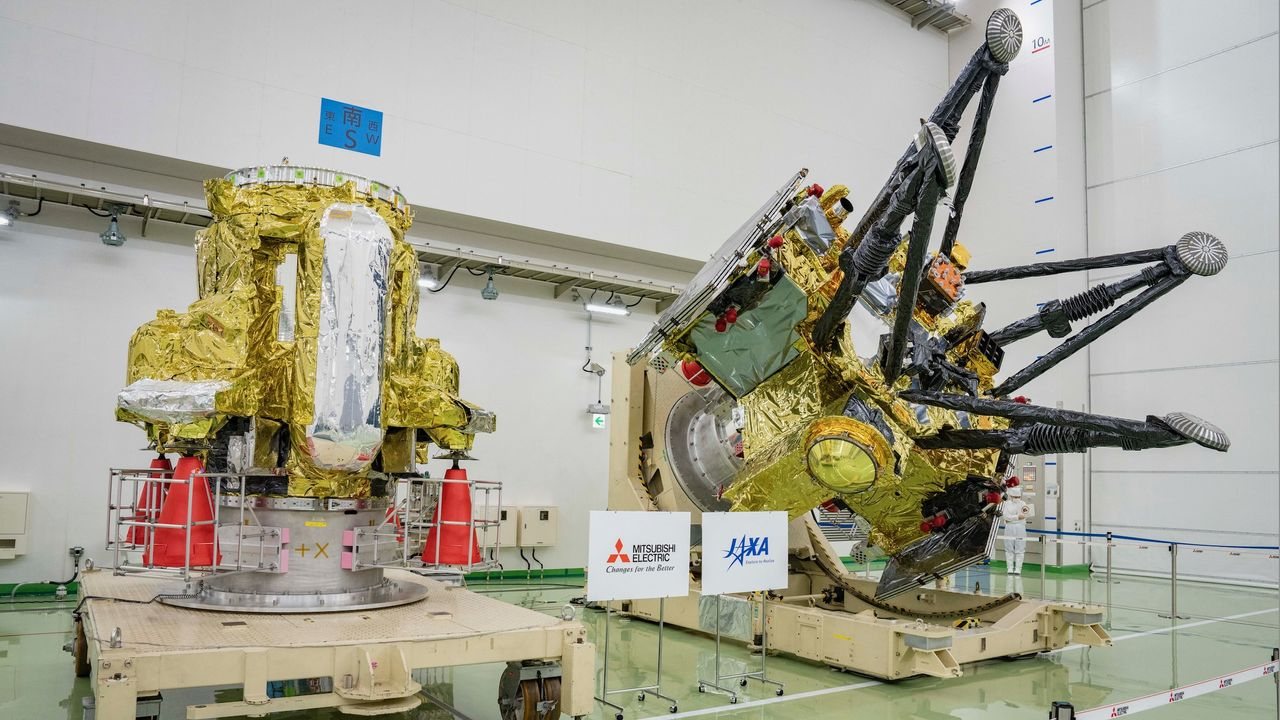
Japan's space agency JAXA has presented the Martian Moons eXploration (MMX) spacecraft, scheduled to launch on October 19. The mission aims to collect samples from Phobos, one of Mars' two …
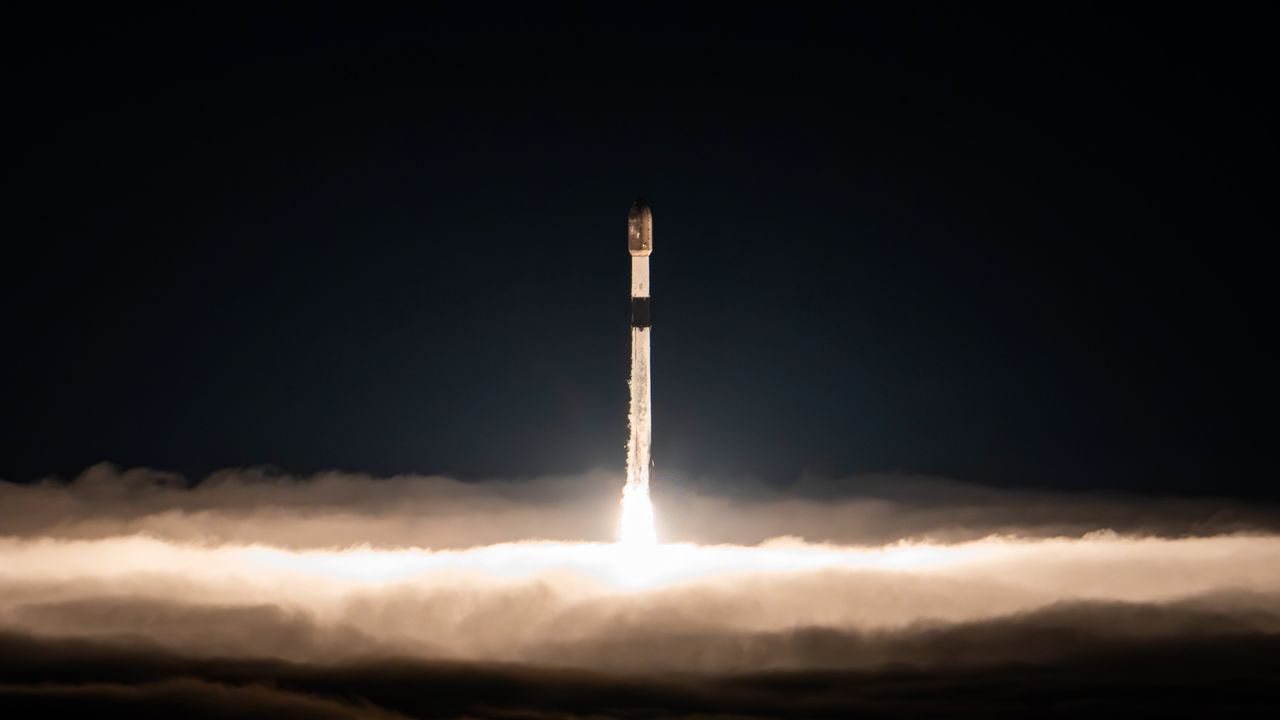
SpaceX reached a new milestone by launching its 100th Falcon rocket mission of the year, sending 27 Starlink satellites into low Earth orbit from California.
Astronomers have detected a compact, solar-system-sized object from the early universe that may represent a new class of cosmic bodies, possibly a 'black hole star' bridging black holes and stars.
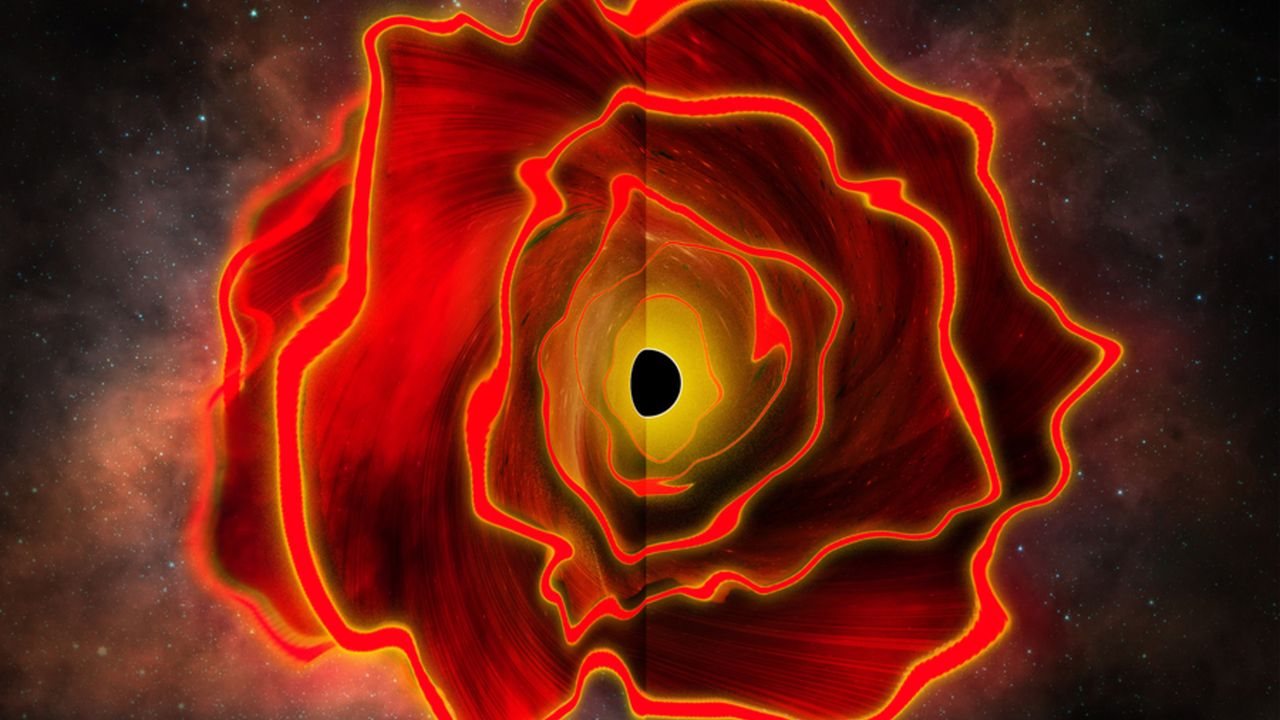
Half a century after Viking 1's historic landing on Mars, NASA is charting a new course for the Red Planet, combining its scientific leadership with private-sector innovation for upcoming missions, …
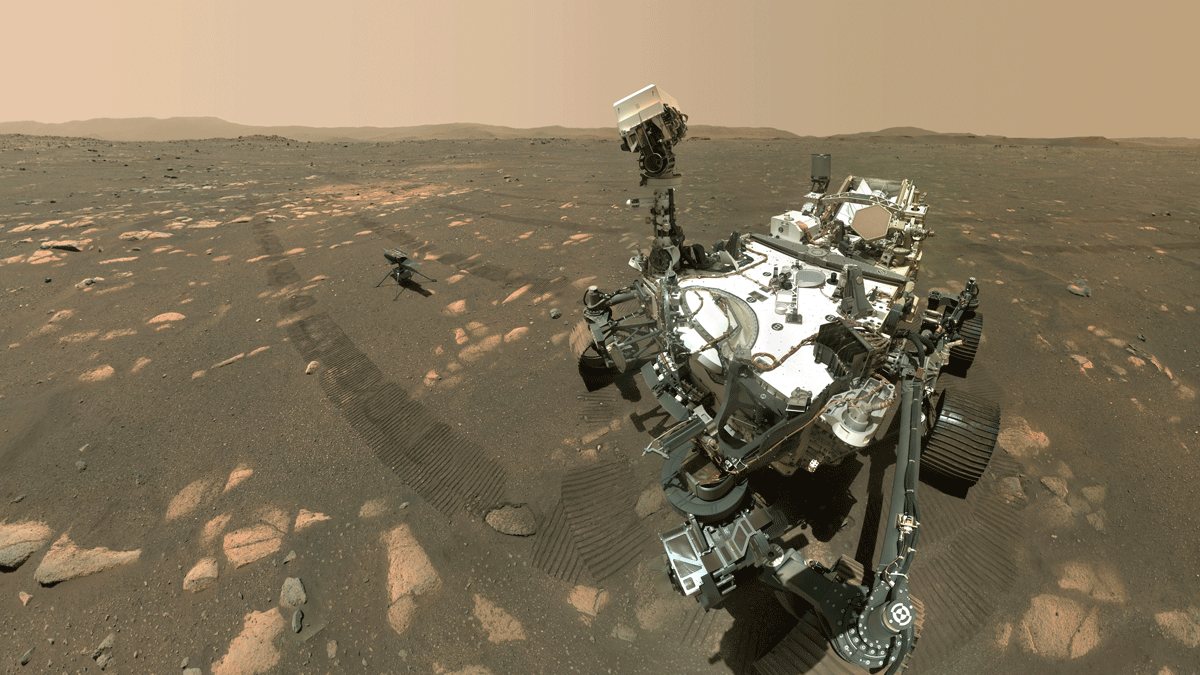
China will launch its Chang'e 7 mission this weekend, a multi-spacecraft expedition to the lunar south pole that will search for water ice and test technologies for future crewed exploration.
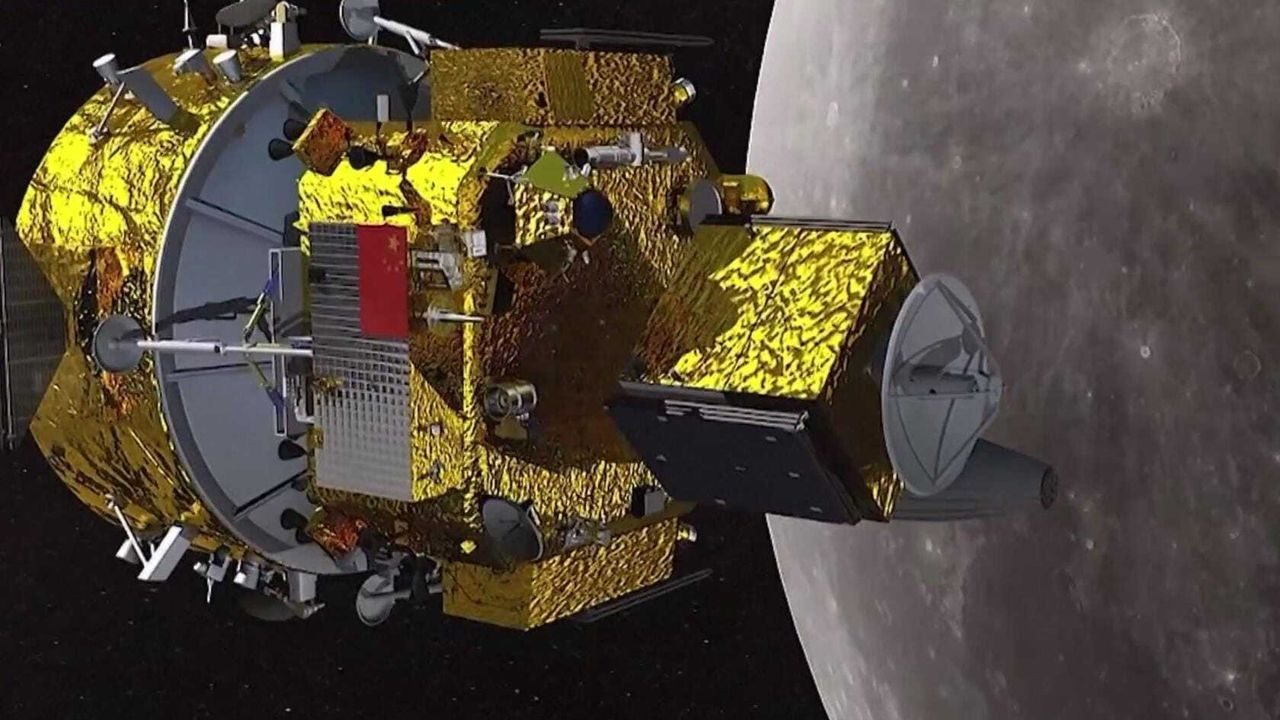
UPSA’s newest public service turns a century of solar and lunar eclipses into an interactive, city-by-city simulator just as the Aug. 12 total eclipse reaches Iceland and Spain.
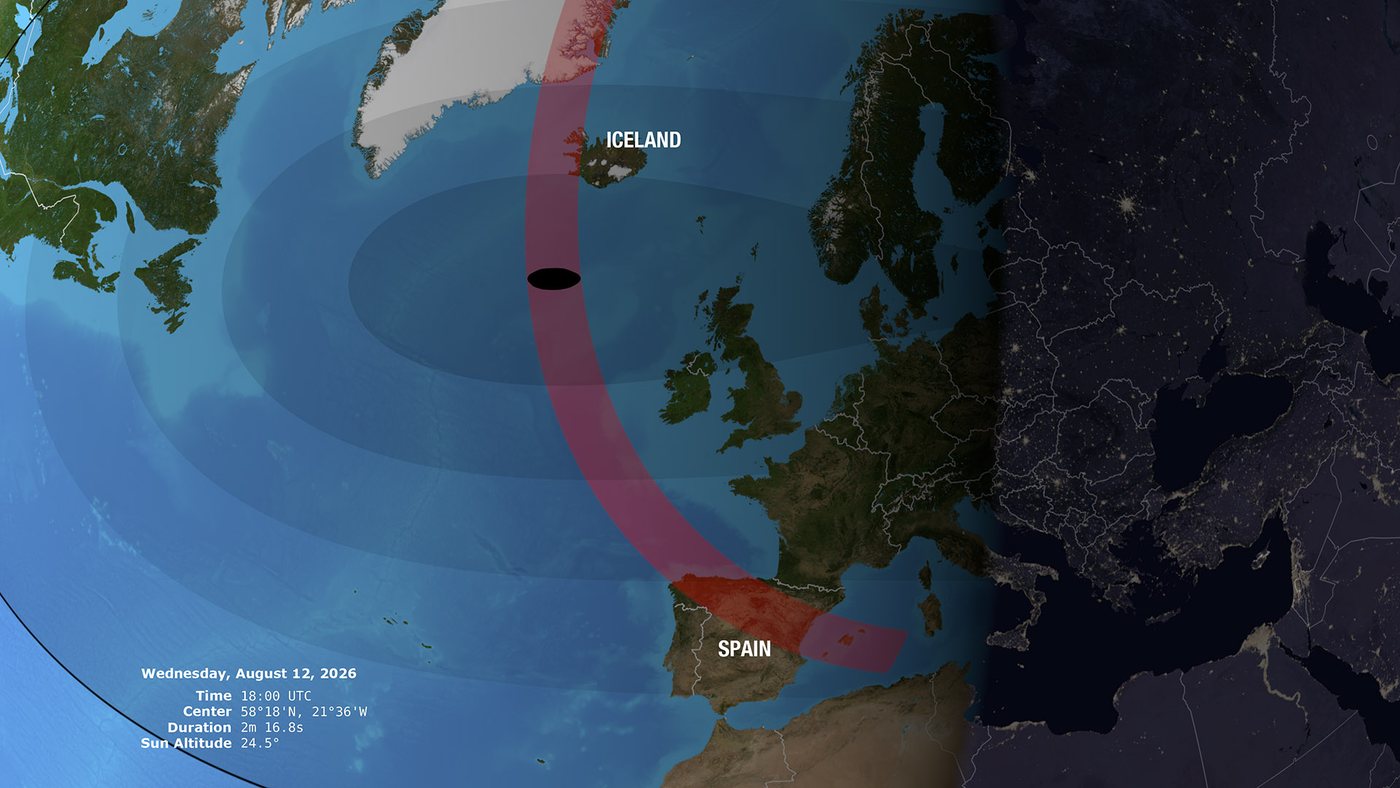
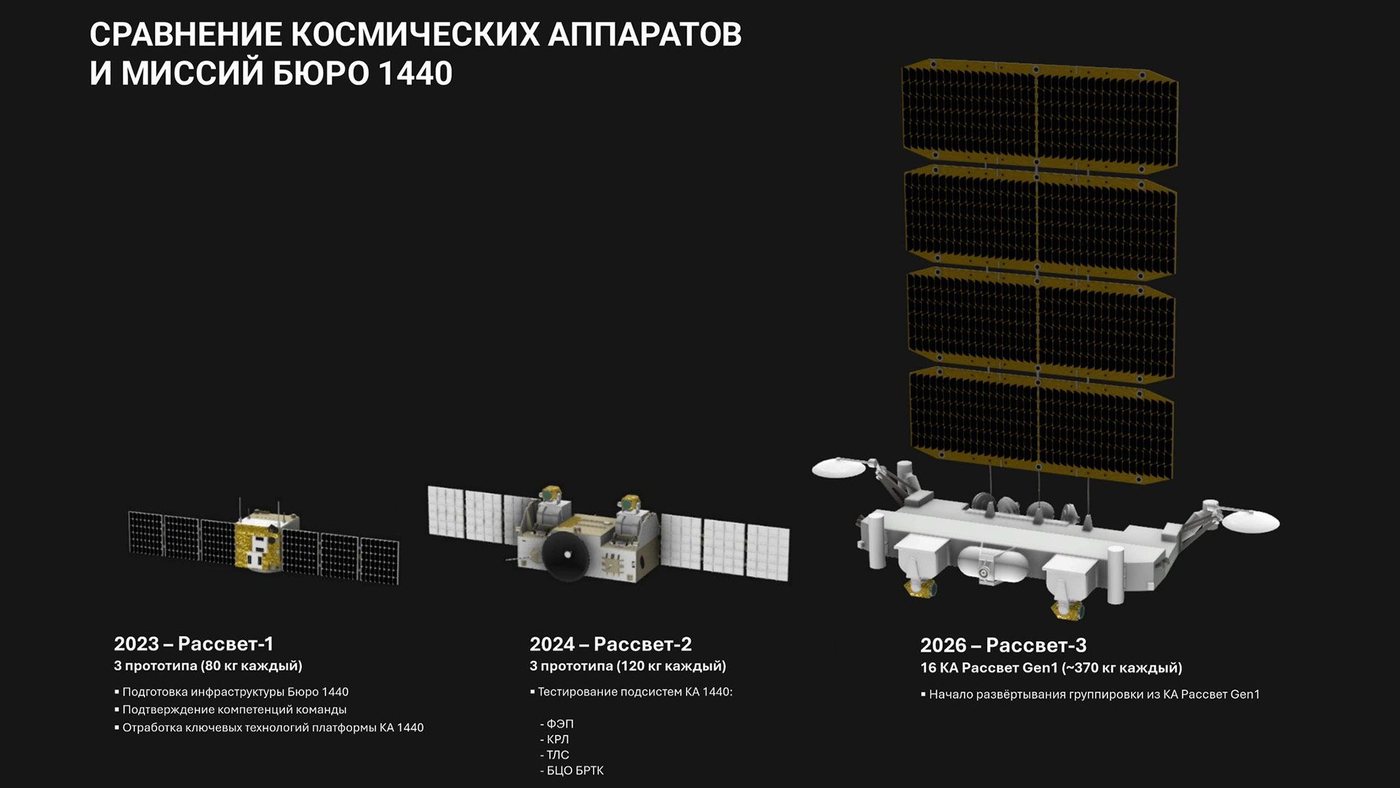
Russia has moved from prototypes to serial Rassvet launches, but the open schedule is not ahead of its earlier targets. Orbital geometry suggests roughly 250 well-phased satellites could provide continuous …
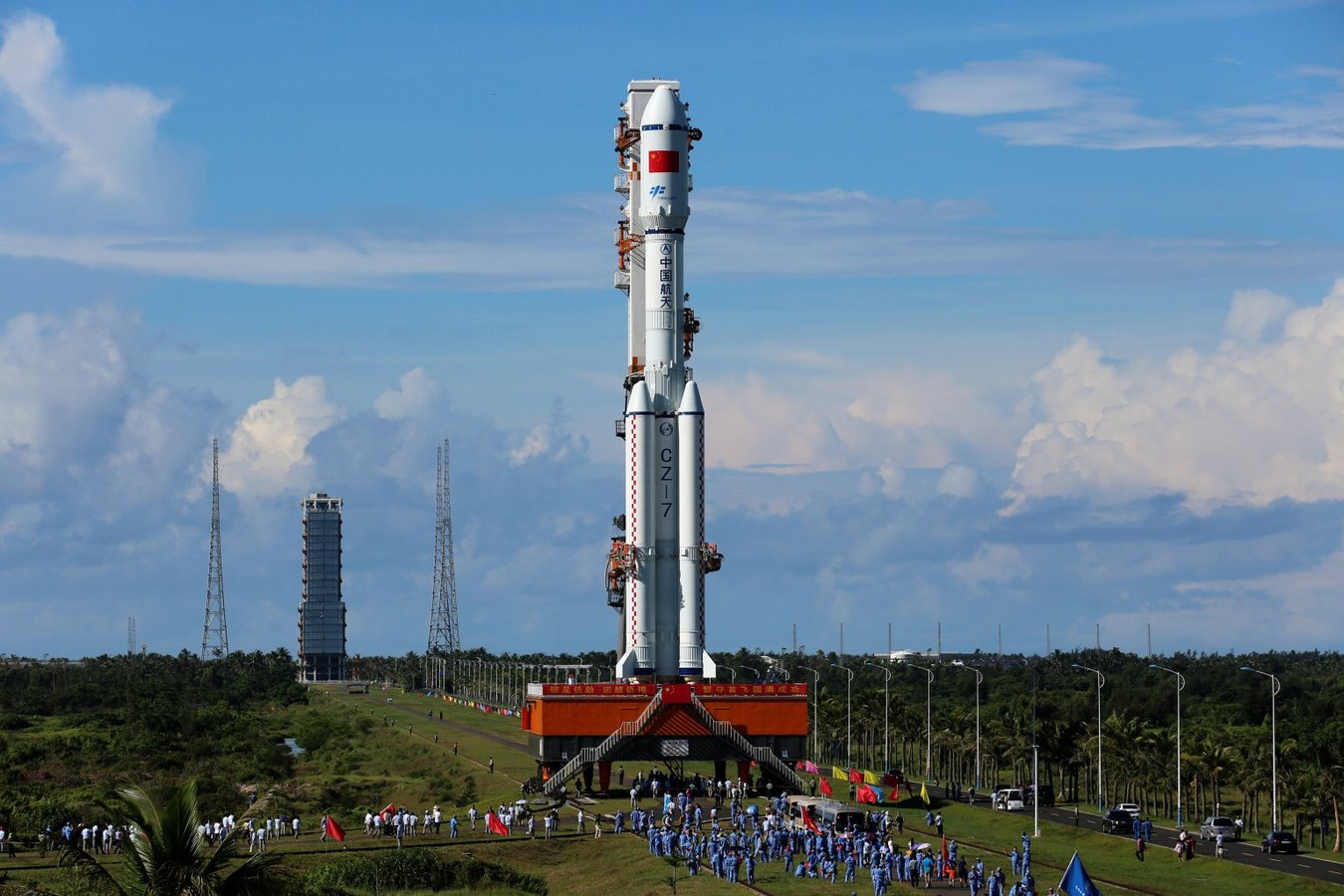
China’s Aug. 10 launch of ChinaSat 4B failed after an in-flight anomaly. The key technical question is where the failure began, not merely when a visible breakup occurred.
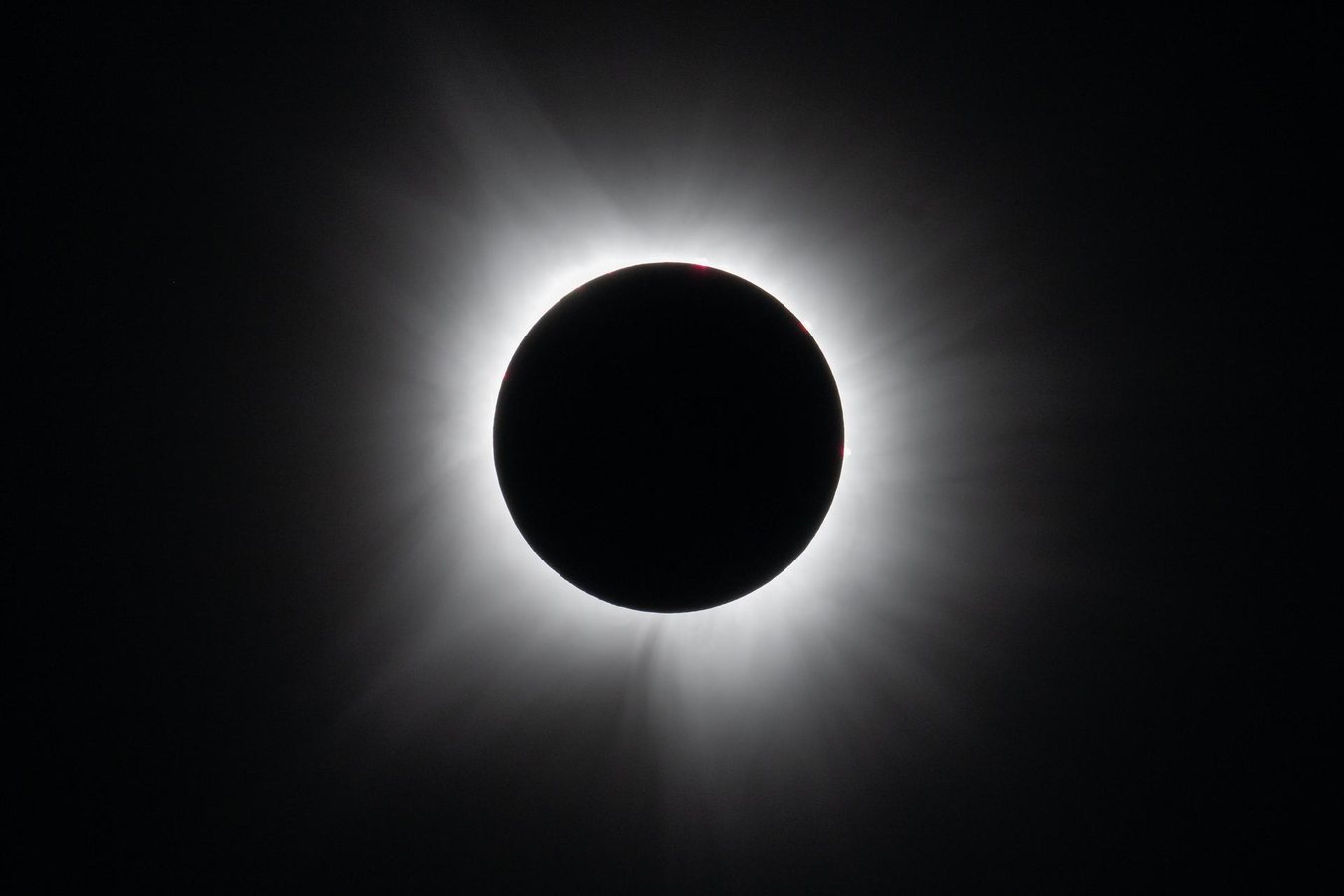
Scientists plan to turn the 2026 total eclipse into a high-altitude experiment, extending observations of the solar corona beyond what observers can see from the ground.
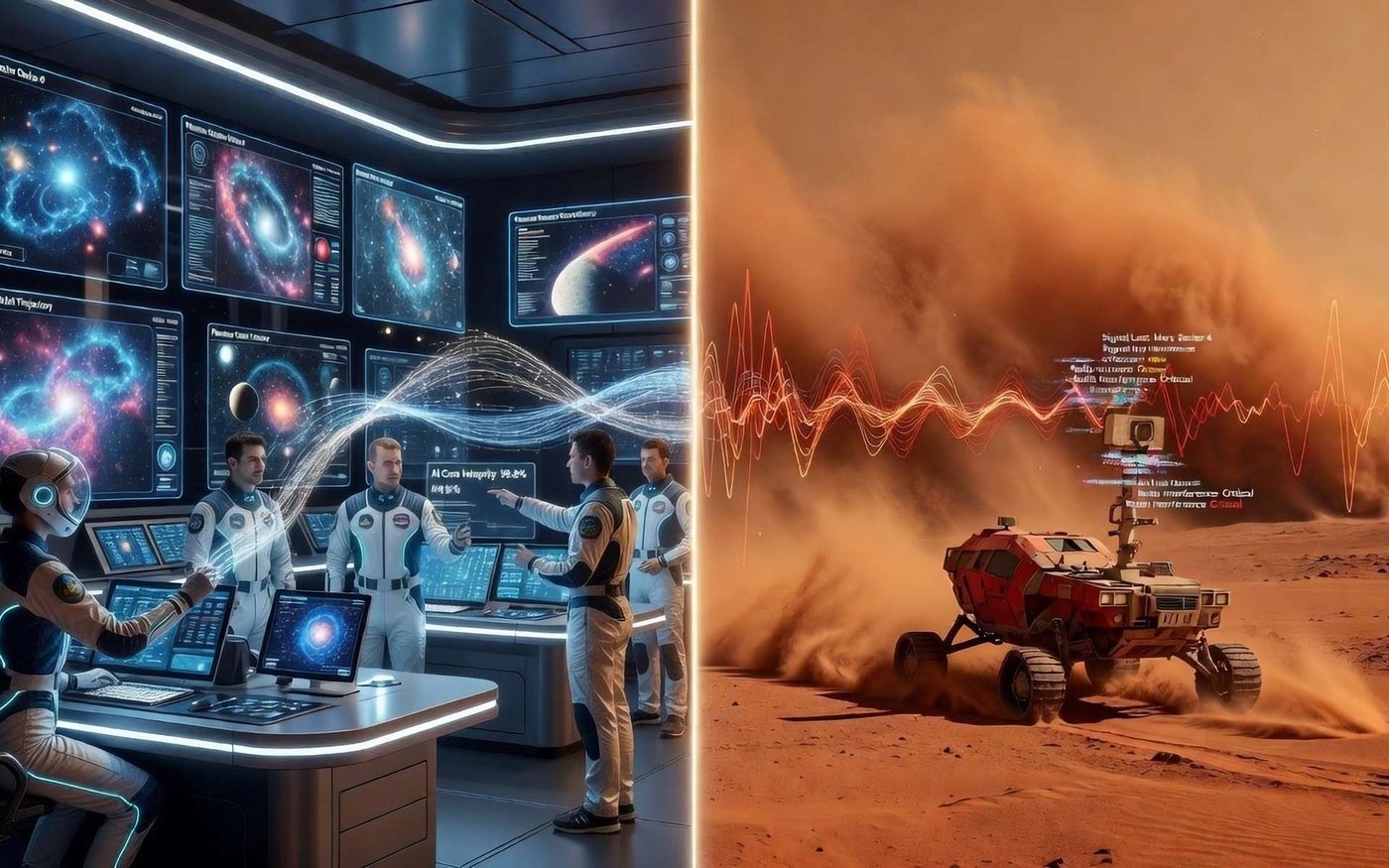
Artificial intelligence is already processing space telescope data, guiding Mars rovers, and assisting astronauts aboard spacecraft, marking a shift from science fiction to everyday mission operations.
NASA launched the Juno spacecraft toward Jupiter on Aug. 5, 2011. The solar-powered probe reached the planet in 2016 and has spent years studying its atmosphere, magnetic field, and interior, …